
When people say a thermostatic shower “isn’t working,” they usually mean one thing: the temperature isn’t stable. Maybe it swings from hot to cold, maybe it reacts slowly, or maybe it just does its own thing after a while. From a user’s perspective, it’s annoying. From an engineering perspective, it’s a lot more interesting.
Temperature control failure isn’t just a product defect. In most cases, it’s a system-level issue. You’re looking at a mix of hydraulic instability, material aging, mechanical wear, and environmental factors all interacting at once. Especially in real-world applications—hotels, apartment buildings, commercial projects—the system rarely operates under “perfect lab conditions.” And that’s where things start to break down.
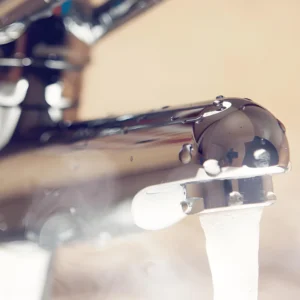
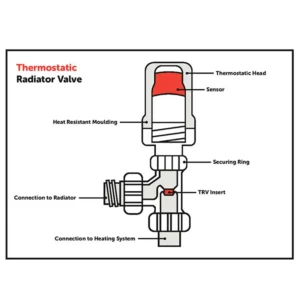
At the heart of a thermostatic shower system is a thermostatic mixing valve, typically driven by a wax element. That element expands or contracts depending on temperature, shifting the internal valve position to rebalance hot and cold water.
Sounds simple, but here’s the catch:
This is a continuous feedback loop, not a one-time adjustment.
Temperature changes → the wax element reacts → the valve adjusts → flow ratio changes → temperature stabilizes.
Now imagine that loop happening in real time, while water pressure fluctuates, flow rates shift, and deposits build up inside the system. If any part of that loop slows down or becomes less precise, you get instability. That’s why thermostatic systems are incredibly effective—but also highly sensitive to real-world conditions.
Let’s start with the classic: temperature fluctuation. That “hot-cold-hot” experience is almost always tied to pressure imbalance. If someone flushes a toilet or another outlet opens, the cold or hot water pressure shifts instantly. The valve tries to compensate, but there’s always a response delay. Even a fraction of a second can be enough for users to notice.
Then there’s slow response. You turn the handle, expecting a quick adjustment, but the system takes its time. This usually points to a degraded wax element or reduced heat transfer efficiency. Over time, mineral buildup can coat the sensing element, acting like insulation. At the same time, internal friction increases, so even when the element reacts, the mechanical movement lags behind.
Temperature drift is trickier. Everything seems fine at first, but after a few minutes, the water gets gradually hotter or cooler. This is often the result of mechanical wear—spring fatigue, slight shifts in calibration, or changes in internal tolerances. Nothing “fails” dramatically, but the system slowly loses precision.
The most critical failure, though, is sudden thermal runaway—when water turns dangerously hot without warning. This typically happens when the cold water supply drops out and the valve doesn’t shut off the hot side fast enough. Without a proper anti-scald mechanism, this becomes a serious safety risk, especially in commercial environments.
And finally, there’s the quiet troublemaker: reduced flow combined with unstable temperature. This usually traces back to limescale or debris restricting flow paths. As flow changes, the mixing ratio becomes less predictable, and temperature control starts to wobble.

If you zoom out, most of these issues come down to four core variables.
Hydraulic conditions are the biggest one. Fluctuating pressure and inconsistent flow are the enemies of stable mixing. In multi-user systems, this is almost unavoidable without proper design.
Material degradation is another factor. Wax elements don’t last forever, seals age, and performance gradually drops. This isn’t a defect—it’s physics over time.
Mechanical wear plays its role as well. Moving parts wear down, springs lose tension, and internal alignment shifts just enough to affect accuracy.
And then there’s water quality. Hard water, minerals, and debris quietly build up inside the system, changing how it behaves long before anything “breaks.”
Solving temperature control issues isn’t about swapping out one component and hoping for the best. It starts with looking at the system as a whole.
On the hydraulic side, stabilizing pressure as much as possible makes a huge difference. Whether that’s through system design, pressure balancing, or proper piping layout, consistency is key.
At the component level, higher-quality thermostatic cartridges with tighter control accuracy and faster response times can significantly improve performance under fluctuating conditions.
Material choices matter too. Designs that reduce friction and resist scale buildup will maintain performance longer, especially in hard water regions. Adding filtration upstream can also prevent a lot of long-term issues before they start.
And in high-usage environments like hotels, durability isn’t optional. Components need to be designed for hundreds of thousands of cycles, not just initial performance.
If you’re specifying or sourcing thermostatic systems, the biggest mistake is focusing only on price or appearance. What really matters is how the system behaves under stress.
In low-pressure or pressure-variable regions, pressure-compensating designs are essential. In commercial settings, long lifecycle performance and consistency should be non-negotiable.
Water quality should always be part of the conversation. If scale is expected, the system needs to be designed for it—not just installed and forgotten.
And for international projects, safety compliance—especially anti-scald performance—should be verified early, not after installation.
Temperature control failure isn’t a mystery once you look at it through an engineering lens. It’s the result of multiple variables interacting in real conditions, not just a single weak component.
As the industry moves toward higher performance and better user experience, the conversation is shifting from “which product” to “which system works best in this environment.” That shift matters.
At Jekare, we see this play out across projects all the time. The difference between a system that works on paper and one that performs reliably in the field usually comes down to how well these variables are understood—and designed for—from the start.
A: Usually caused by fluctuating water pressure affecting the hot and cold balance.
A: It may be due to a worn cartridge, limescale buildup, or unstable supply pressure.
A: Check pressure balance, clean the valve, or replace the thermostatic cartridge.
A: Yes, inconsistent pressure reduces the valve’s ability to maintain stable temperature.
A: Sudden pressure drops or supply interruptions can cause rapid temperature shifts.
A: Typically 3–5 years, depending on water quality and usage frequency.