
If you’ve ever sourced or specified a faucet and wondered why prices vary so widely—from entry-level models to premium designer pieces—you’re not alone. The cost of a faucet is shaped by far more than appearance. For distributors, project buyers, and brand owners, understanding what drives pricing is essential to making smart purchasing decisions.
Working with global clients, Jekare manufactures a full range of products—from bath taps and shower faucet systems to high-end bathtub faucet programs—balancing engineering performance with cost efficiency. Let’s break down the real reasons behind faucet pricing from a professional manufacturing perspective.
Different faucet categories come with different engineering requirements and price structures:
The more functions a faucet integrates, the higher the production cost due to added components and testing requirements.
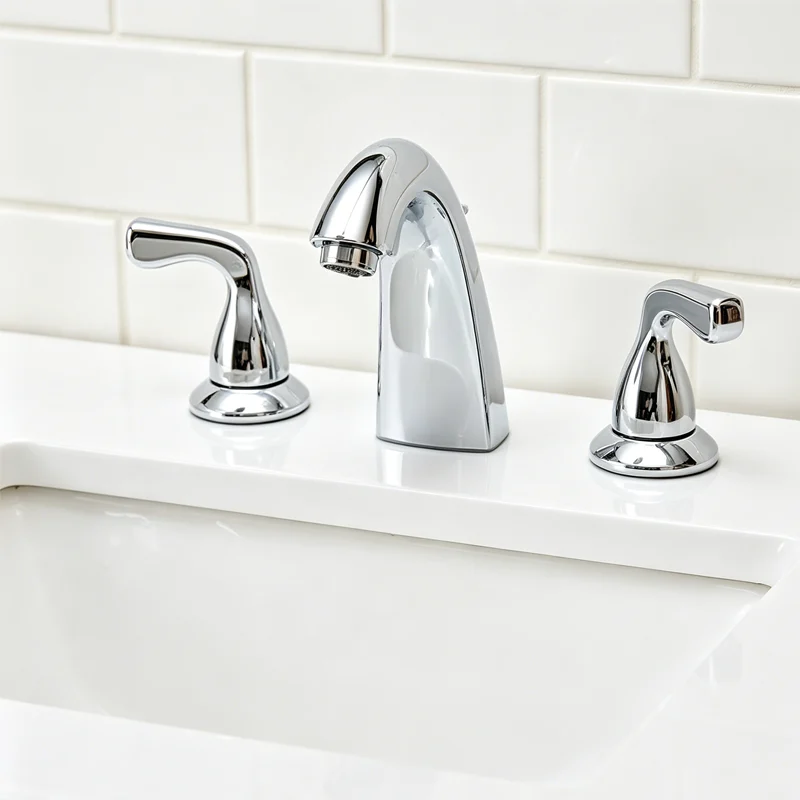
Material selection is one of the biggest cost drivers.
A polished nickel bathroom faucet, for example, requires both a high-quality base material and a controlled finishing process, increasing cost.
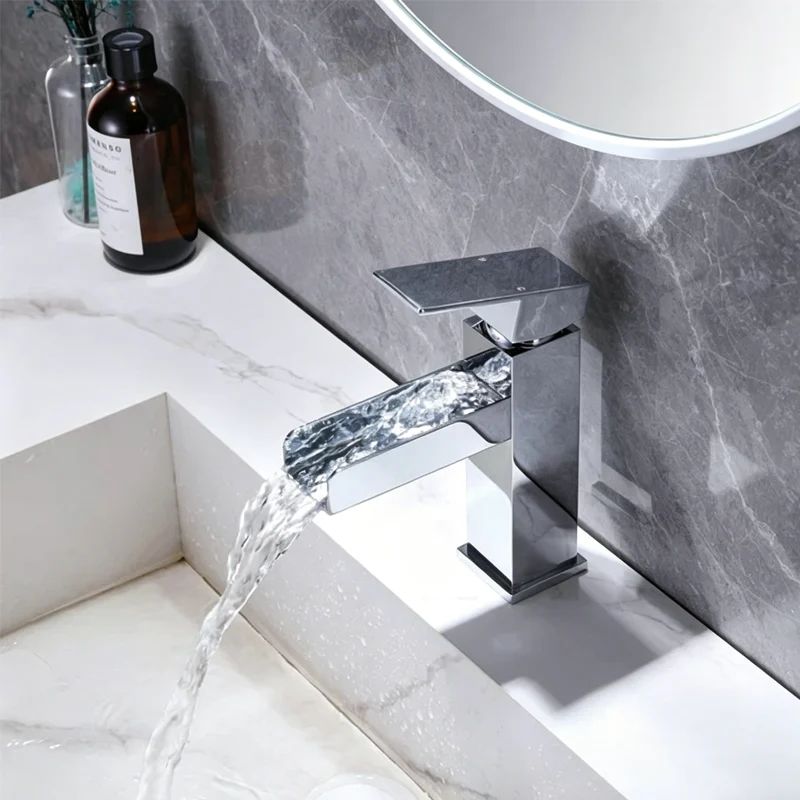
Faucets must meet strict international standards:
Each certification requires testing, documentation, and quality control processes, all of which add to manufacturing costs—especially for export markets.
Modern faucets are no longer simple mechanical devices. Advanced features include:
Design also plays a major role. Unique finishes, such as brushed or polished nickel, require additional processing steps. Brand positioning further increases price due to marketing, distribution, and perceived value.
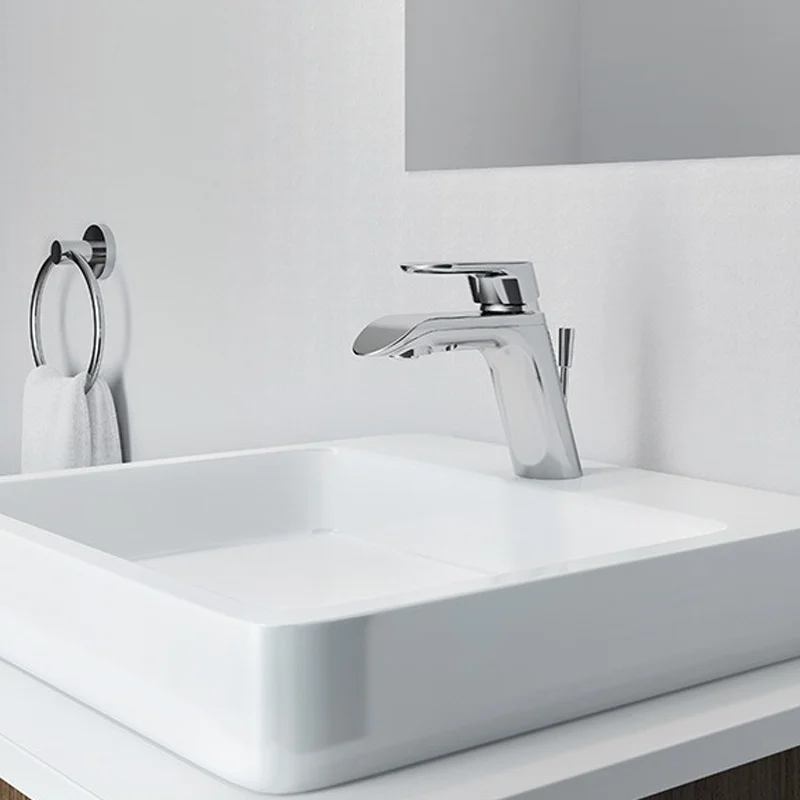
Higher-quality materials come with higher upfront costs but reduce long-term risks:
From a B2B perspective, investing in durable materials often results in better lifecycle value, especially for large-scale projects.
Behind every faucet is a complex production process:
Factories like Jekare use advanced equipment and strict process control to ensure consistency, but these standards also contribute to the final price.
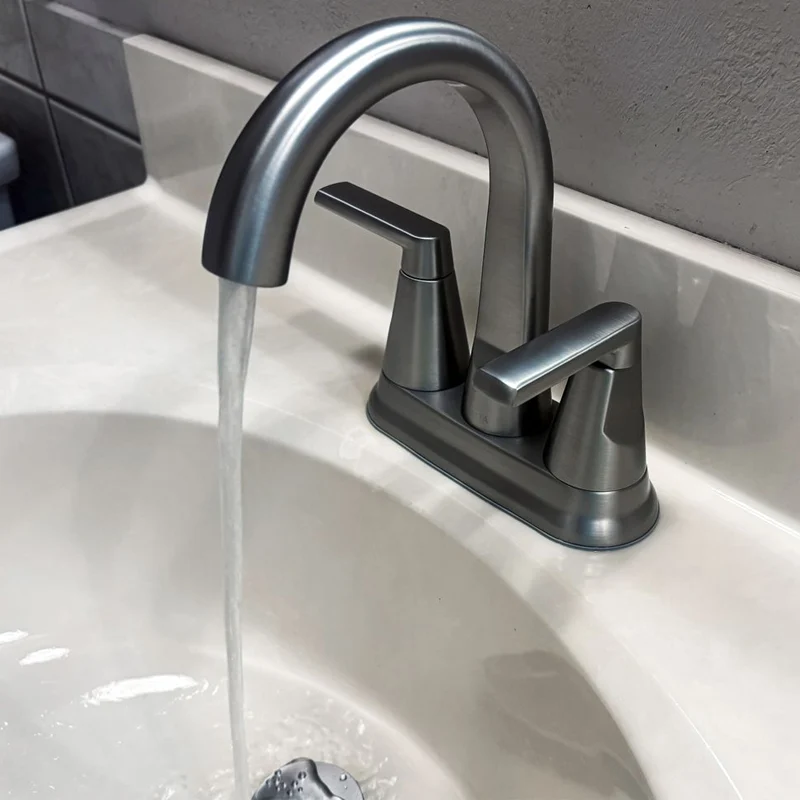
The right price depends on your application:
For B2B buyers, the goal is not the lowest price—but the best value based on performance, durability, and brand positioning.
Consider installation type and usage:
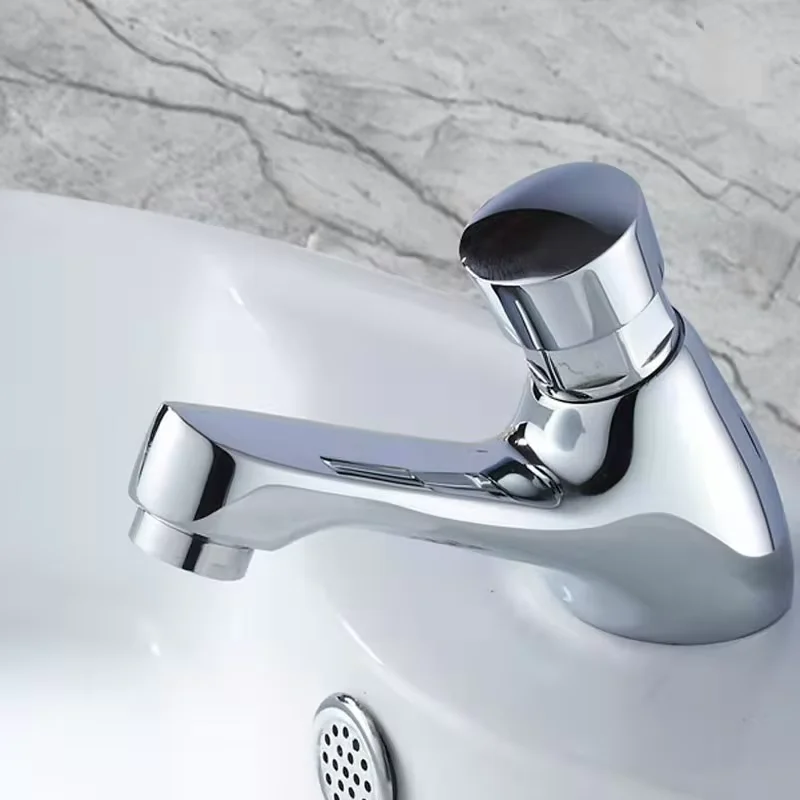
Finish and style impact both cost and market appeal:
Choosing the right manufacturing partner is just as important as choosing the right product.
Jekare offers:
For modern applications, we recommend our Wall Mount Bathroom Shower Faucet.
Key Advantages:
From a B2B perspective, this product offers strong adaptability, efficient installation, and reliable long-term performance.
Bathroom faucets are expensive for good reason. Material quality, engineering complexity, compliance requirements, and manufacturing precision all contribute to the final price.
For buyers and brands, the key is to focus on value—not just cost. A well-designed faucet reduces maintenance, enhances user experience, and strengthens brand reputation.
Jekare supports global clients with high-quality manufacturing, custom solutions, and scalable production.
So when evaluating your next project, what matters most—price, performance, or long-term reliability? Let’s discuss how to achieve the right balance.
Differences in materials, manufacturing quality, design complexity, and brand positioning all affect pricing.
Yes. High-quality faucets often include advanced aerators and flow control systems that reduce water usage efficiently.
For long-term use, yes. Premium faucets offer better durability, fewer repairs, and improved user experience.
Evaluate material quality, certifications, warranty, and supplier reliability—not just price.
Consistency, compliance, durability, and after-sales support are critical for large-scale procurement.