
Call us: +86-18965139230 | Mail to us: info@jekare.com
Blog EN

Which Material Is Best for Your Sink Faucet?

Selecting the right material for sink taps is not just a design decision—it directly impacts durability, finish life, maintenance requirements, and overall product value. Whether you are sourcing a commercial sink faucet, developing a bar sink faucet, or specifying wall mounted basin taps for a project, material selection defines long-term performance.

From years of working with global brands and distributors, Jekare approaches faucet manufacturing with a focus on engineering precision, material optimization, and scalable OEM production. If you’re planning a new product line or project, which matters more for your market—cost efficiency or long-term reliability?
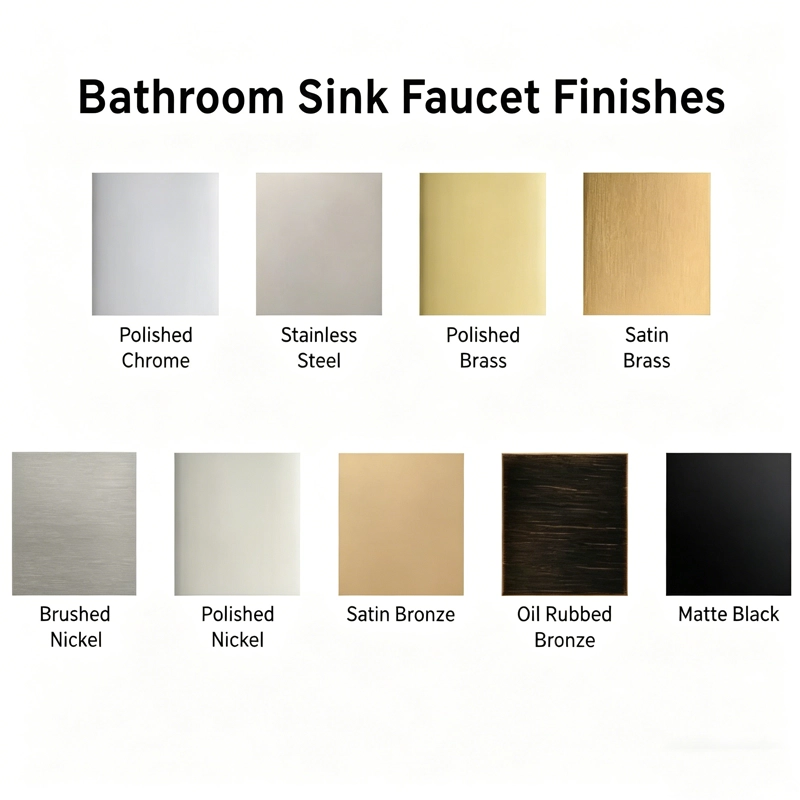
brass sink faucet

Core Materials Used in Sink Faucet Manufacturing

Brass: The Industry Benchmark for Performance

Brass remains the preferred material for high-quality sink taps and faucet bodies.

Advantages

  • Excellent machinability for precise threads and sealing surfaces
  • Strong corrosion resistance with lead-free alloys
  • Superior weight and premium feel
  • Ideal for plating and PVD finishes
  • Long lifecycle when paired with ceramic cartridges

Limitations

  • Higher material and machining cost
  • Requires strict alloy and plating control to prevent corrosion

For OEM buyers, brass is the safest choice for mid-to-high-end commercial sink faucet lines.
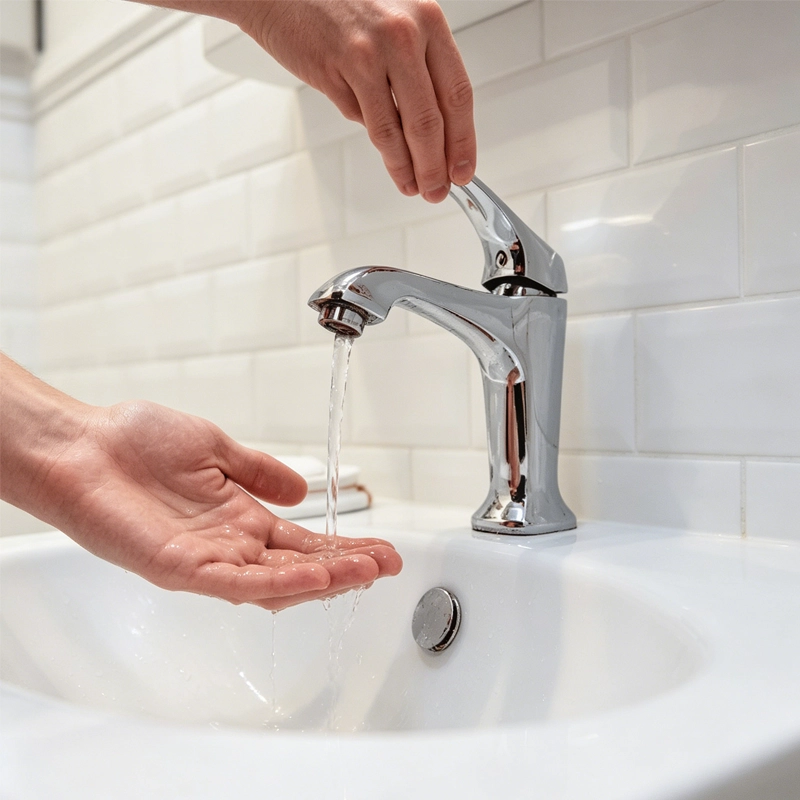
commercial sink faucet

Stainless Steel: Modern and Corrosion-Resistant

Stainless steel (304/316) is widely used in contemporary faucet design, especially for black sink faucet and brushed finishes.

Advantages

  • Excellent corrosion resistance (especially 316 for coastal areas)
  • Clean, modern appearance
  • High structural strength
  • Eco-friendly and recyclable

Limitations

  • Higher processing cost
  • More complex finishing requirements

For projects requiring durability and minimal maintenance, stainless steel is a strong alternative.

Chrome-Plated Materials: Cost-Effective Versatility

Chrome finishes are commonly applied to brass, zinc, or ABS substrates.

Advantages

  • Bright, reflective finish
  • Cost-effective for large-scale production
  • Easy to clean

Limitations

  • Prone to visible water spots
  • Quality depends heavily on plating thickness and adhesion

For value-oriented bar sink faucet or residential lines, chrome remains a practical option.
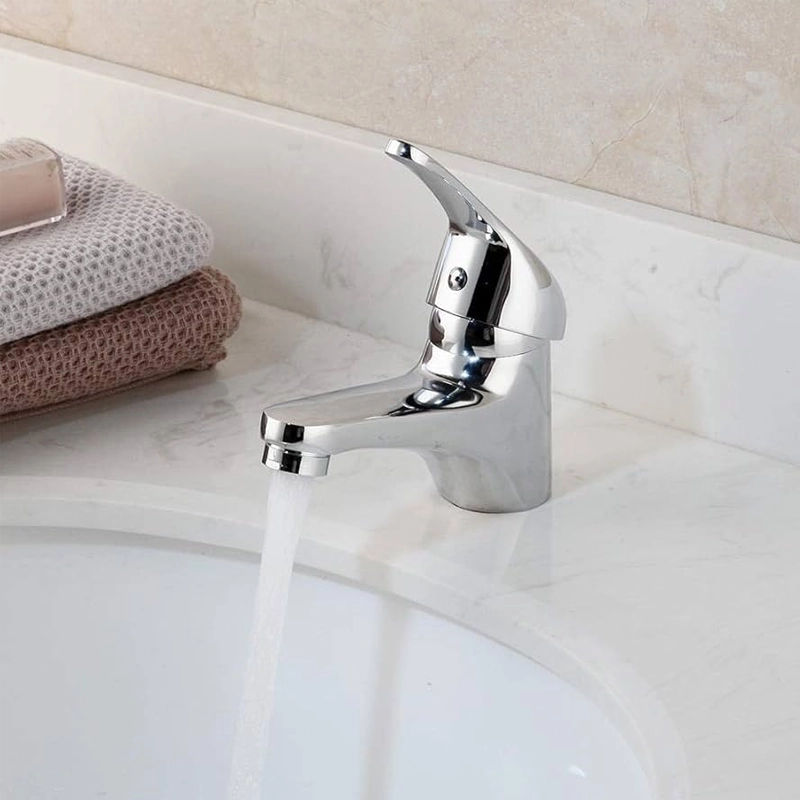
bathroom sink faucets

Bronze and Specialty Finishes

Bronze and brushed finishes are used for premium or decorative applications.

Advantages

  • Unique aesthetic appeal
  • Better resistance to visible wear
  • Compatible with PVD coating for durability

Limitations

  • Higher production cost
  • Requires strict color consistency control

Engineered Plastics (ABS & Polymers)

Used primarily in entry-level products or complex designs.

Advantages

  • Lightweight and cost-effective
  • Flexible for complex geometries
  • Can mimic metal when plated

Limitations

  • Lower durability
  • Reduced perceived value

For OEM projects, plastic components should only be used where performance is not critical.

Material Selection for Different Applications

Commercial and High-Use Environments

For commercial sink faucet applications:

  • Choose solid brass or stainless steel
  • Use ceramic cartridges for durability
  • Ensure replaceable components

Residential and Design-Focused Applications

For black sink faucet or designer products:

  • Consider PVD-coated brass or stainless
  • Focus on finish durability and consistency

Compact or Secondary Installations

For bar sink faucet or secondary sinks:

  • Optimize cost with plated brass or zinc
  • Maintain essential performance standards

Wall-Mounted Installations

For wall mounted basin taps:

  • Ensure structural strength and precise machining
  • Focus on leak-proof internal channels

Manufacturing and Quality Control Considerations

Material selection alone is not enough—manufacturing quality determines final performance.

Key Production Steps

  • Precision CNC machining for tight tolerances
  • Controlled electroplating or PVD finishing
  • Automated assembly lines for consistency
  • Pressure and leakage testing

At Jekare, advanced testing equipment ensures every faucet meets strict flow, sealing, and durability standards before shipment.

How to Choose the Right Sink Faucet Material

Define Your Application

Kitchen, bathroom, or commercial use will determine structural and performance requirements.

Evaluate Water Conditions

Hard water requires:

  • Durable cartridges
  • Easy-clean aerators

Balance Cost and Lifecycle Value

Lower-cost materials may increase:

  • Warranty claims
  • Maintenance costs

Consider Finish Requirements

Matte and brushed finishes:

  • Hide fingerprints and water spots
  • Reduce maintenance

Why Choose Our Custom Sink Faucet

For brands and distributors, a reliable OEM partner ensures product consistency and market success.

Jekare provides:
  • One-stop service from design to mass production
  • Advanced manufacturing equipment for precision and scalability
  • Strict quality control systems including pressure and lifecycle testing
  • After-sales support with spare parts and technical documentation
  • Years of OEM/ODM experience serving global markets

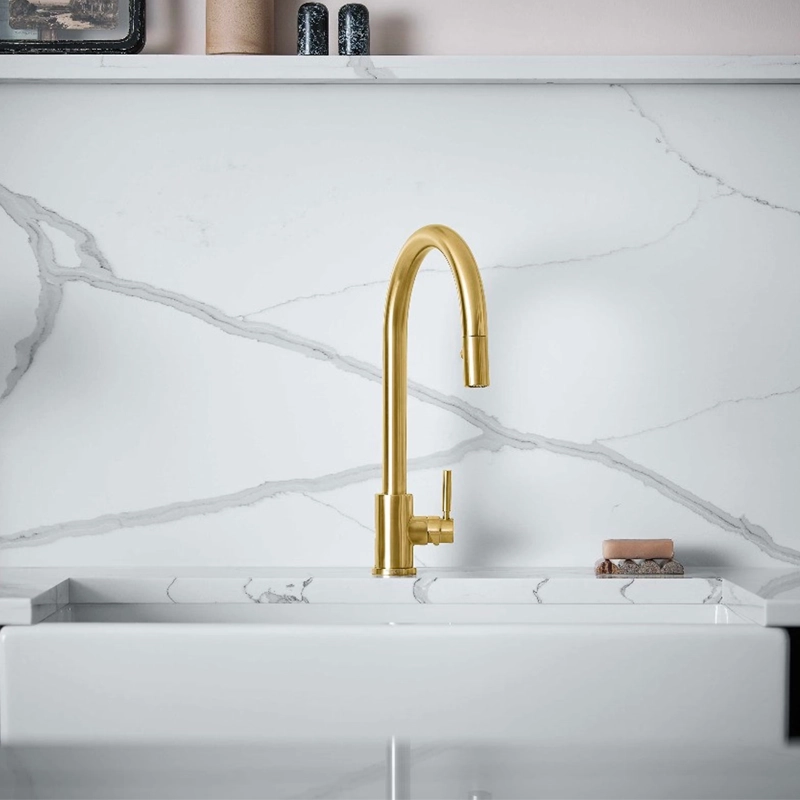
gold kitchen sink faucet

Recommended Product: Custom Brass Bathroom Sink Faucet

We recommend developing a Custom Brass Bathroom Sink Faucet for premium and mid-range markets.

Key Advantages

  • Solid brass construction ensures long-term durability
  • Excellent compatibility with various finishes, including matte black
  • Stable internal structure for leak-free performance
  • Suitable for both residential and commercial sink faucet applications

From a B2B perspective, this product reduces maintenance risks, improves customer satisfaction, and strengthens brand positioning.
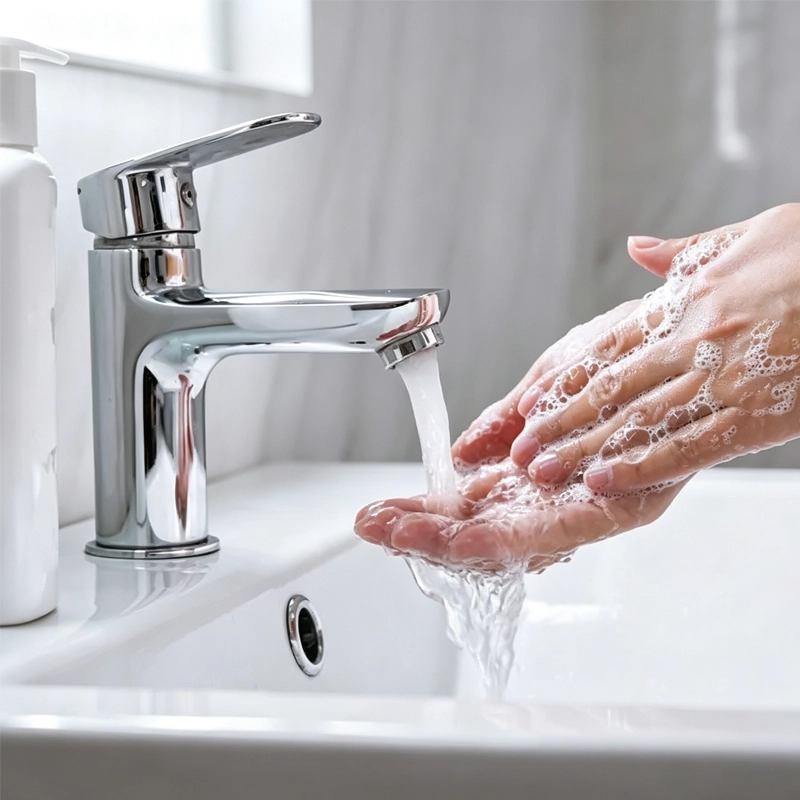
sink taps bathroom

Conclusion

Choosing the right material for sink taps is a critical step in product development. It affects not only durability and aesthetics but also manufacturing efficiency and long-term cost performance.

Brass and stainless steel remain the most reliable options for high-quality faucets, while plated materials and polymers serve cost-sensitive markets. The key is to align material selection with your target application and market expectations.

With strong engineering capabilities, advanced production equipment, and full OEM/ODM support, Jekare helps brands develop faucet solutions that balance performance, cost, and design.

If you’re planning your next faucet project, what matters most to you—material durability, finish quality, or pricing strategy? Let’s discuss and turn your concept into a manufacturable product.
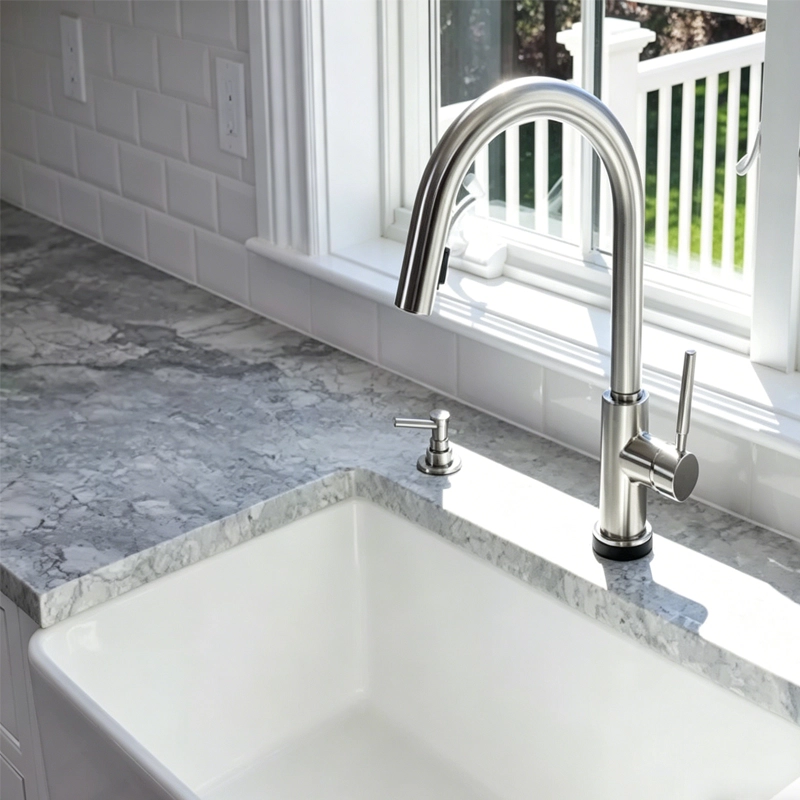
waterfall bath taps

FAQs

1. What is the best material for sink taps?

Brass and stainless steel are the most reliable materials due to their durability, corrosion resistance, and compatibility with high-quality finishes.

2. Are black sink faucets durable?

Yes, when finished with PVD coating, black sink faucet models offer excellent scratch resistance and long-term color stability.

3. What material is best for commercial sink faucet applications?

Solid brass or stainless steel is recommended for commercial sink faucet use due to their strength and long lifecycle.

4. Can wall mounted basin taps be customized?

Yes, OEM manufacturers like Jekare can customize wall mounted basin taps in size, finish, and internal structure to match project requirements.

5. How do manufacturers ensure faucet quality?

Through precision machining, advanced plating processes, strict quality inspections, and comprehensive testing such as pressure and leak tests.

Request A Call Back

Ever find yourself staring at your computer screen a good consulting slogan to come to mind? oftentimes.