
Choosing a high-quality toilet seat cover is no longer just about appearance. Today’s buyers—especially wholesalers, importers, and project contractors—expect durability, hygiene performance, comfort, and consistent mass production quality. Understanding how a toilet seat, toilet lids, toilet covers, toilet seat covers, toilet seat replacement, and toilet riser are manufactured helps you evaluate product reliability and supplier capability.
In modern sanitary ware production, factories like Jekare integrate advanced tooling, precision injection systems, and strict quality inspection processes to ensure every toilet seat lid meets international standards for residential, commercial, and hospitality use.
The production of toilet seat covers is a multi-stage industrial process combining engineering design, material science, molding technology, and assembly automation.
Every toilet seat replacement project begins with engineering design. CAD software is used to create ergonomic shapes that match global toilet bowl standards (U-type, V-type, O-type). Designers also consider load-bearing structure, hinge durability, and user comfort.
At this stage, OEM/ODM customization is also defined—color, shape, soft-close function, logo branding, or even special toilet riser height adjustments.
Material selection is critical for performance and lifespan. Common materials include:
For premium toilet lids and toilet seat covers, antibacterial additives and UV-resistant coatings are often added to enhance hygiene and durability.
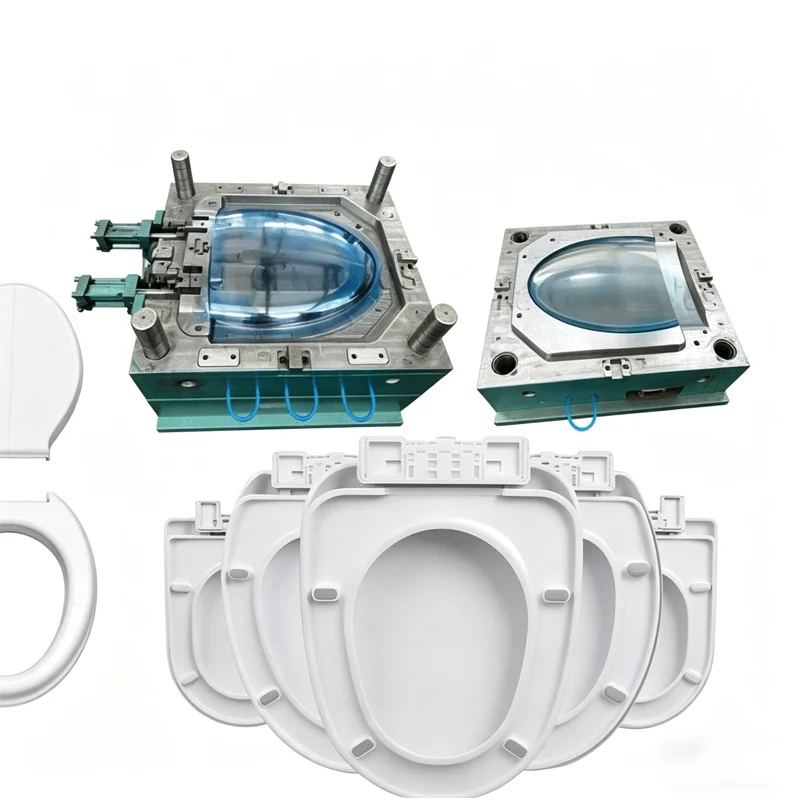
Once the mold is prepared, the core of production begins with injection molding.
Plastic or thermoset materials are heated and injected into precision steel molds under high pressure. This ensures:
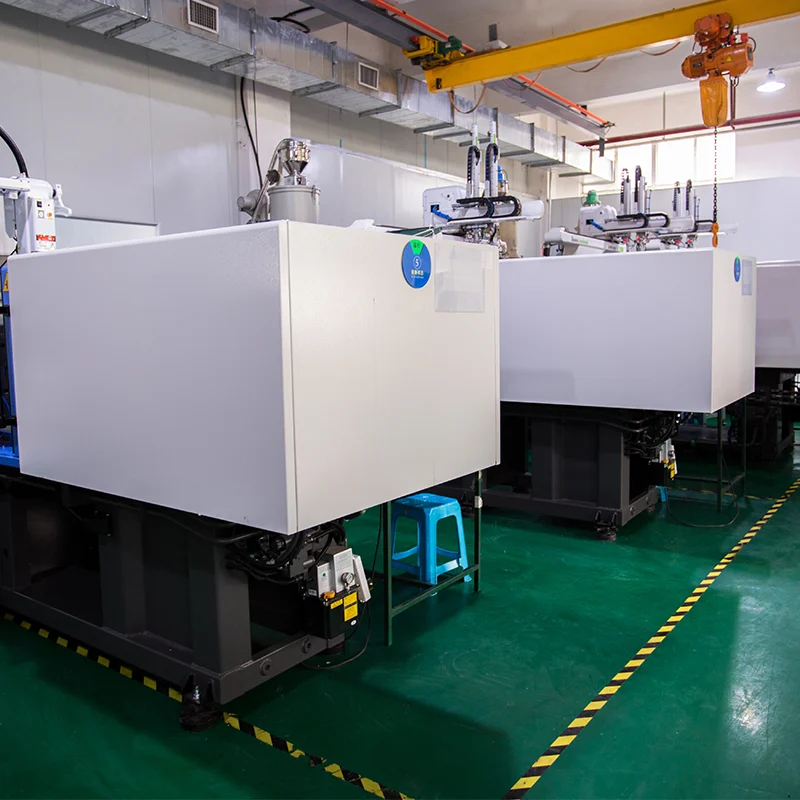
Factories like Jekare operate high-tonnage injection molding machines to support large-scale OEM production of toilet covers and toilet seat replacement parts.
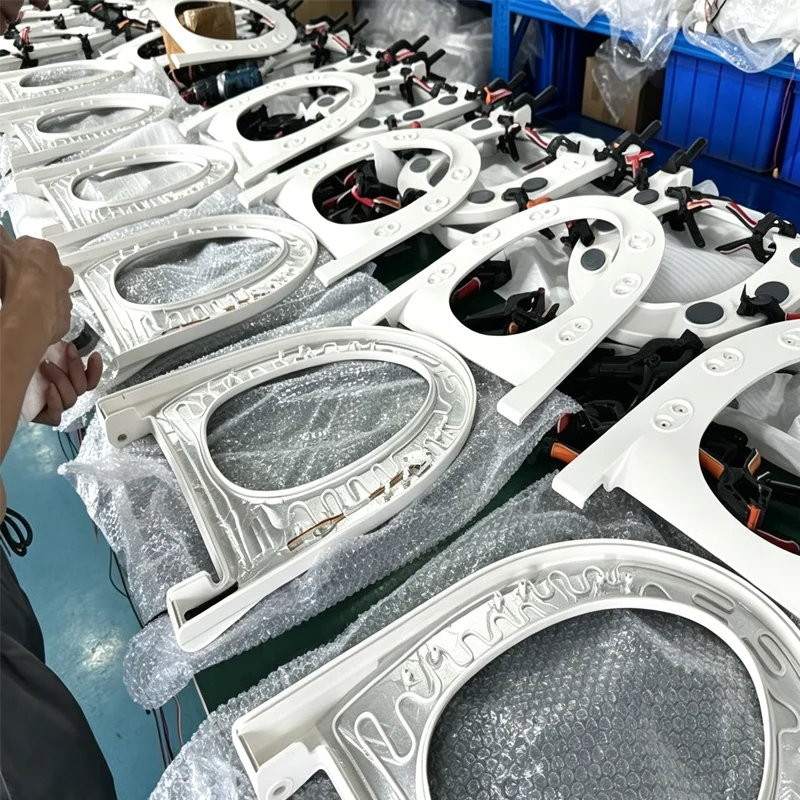
In addition to the main seat and lid, several components are separately manufactured:
Each component is produced with strict dimensional tolerances to ensure compatibility and smooth installation across different toilet systems.
After molding and component production, the toilet seat covers are assembled.
This includes:
Automated and semi-automated assembly lines ensure efficiency while maintaining precision. For toilet riser models, additional reinforcement structures are installed during this stage.
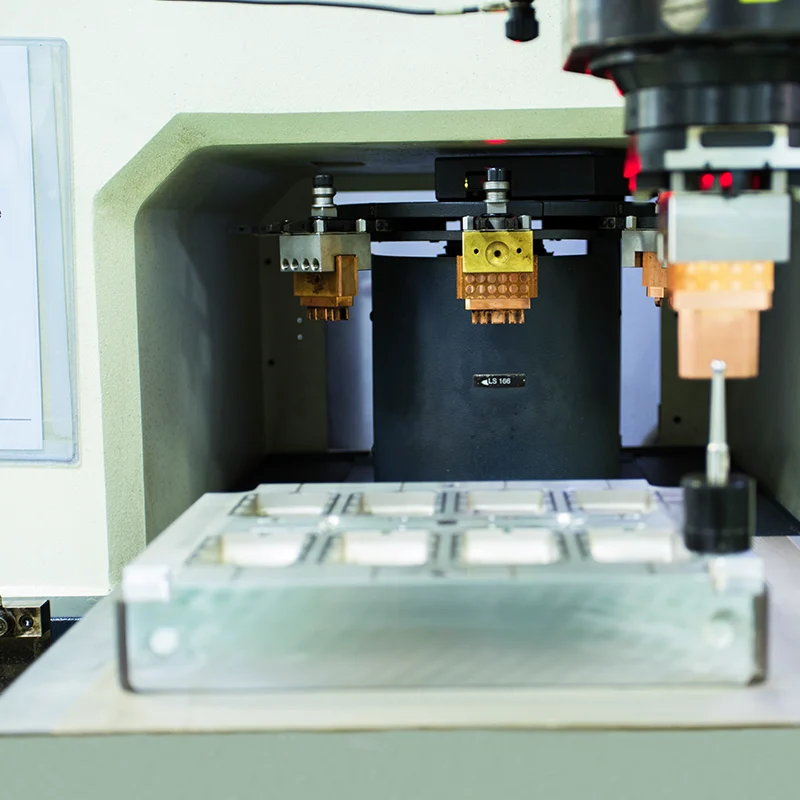
Quality control is a critical stage in toilet seat manufacturing.
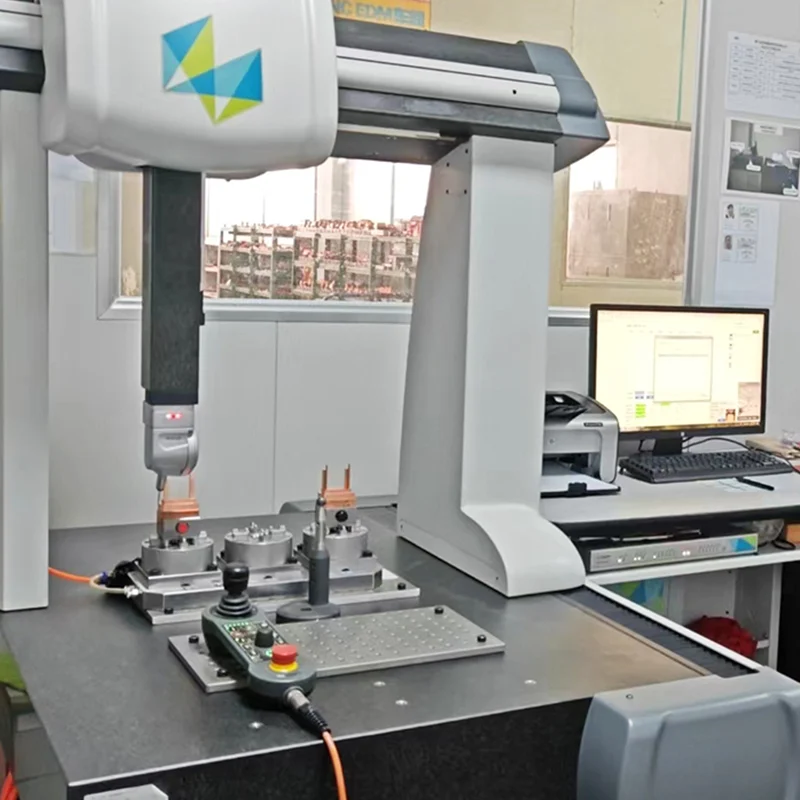
At Jekare, multiple inspection layers are applied:
Advanced testing equipment ensures each toilet seat lid meets international export standards for Europe, North America, and the Middle East.
Final products are carefully cleaned, assembled, and packaged using protective materials.
Packaging options include:
Clear labeling ensures smooth logistics for toilet seat covers, toilet lids, and replacement seat programs in global markets.
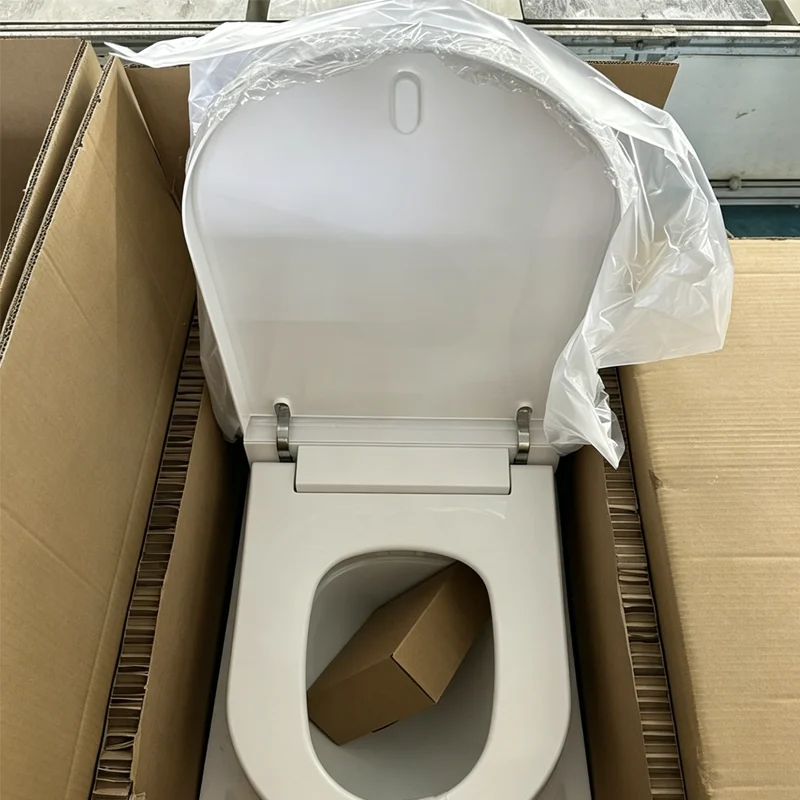
Modern toilet seat covers are no longer simple plastic accessories. They are engineered comfort systems. Soft-close technology prevents slamming noise, while ergonomic shaping improves user comfort.
High-end toilet seat replacement models also include quick-release systems for easy cleaning and hygiene maintenance—especially important in commercial environments such as hotels and public facilities.
The toilet seat cover acts as the hygienic barrier between users and the toilet bowl. It also enhances bathroom aesthetics and cleanliness perception.
Advanced toilet covers now include:
These features significantly improve hygiene standards in both residential and commercial environments.
Before shipment, every unit undergoes final inspection. Packaging is optimized for long-distance export transportation, ensuring that toilet lids and toilet seat covers arrive without deformation or damage.
Modern toilet seat manufacturing is evolving rapidly. Innovative features include:
Factories like Jekare continuously invest in R&D and mold development to support customized OEM/ODM toilet seat solutions for global brands.
After passing all production and testing stages, each toilet seat replacement product is ready for installation. Whether for residential bathrooms, hotels, hospitals, or commercial projects, the goal remains the same—deliver hygiene, comfort, and long-term reliability.
As a professional sanitary ware manufacturing factory, Jekare provides a fully integrated production system covering mold design, injection molding, assembly, and global logistics.
We operate:
For clients looking to develop a high-quality toilet seat cover or expand their product line of toilet lids and toilet covers, Jekare provides complete engineering support from concept to shipment.
Our toilet seat solutions are widely used in residential housing projects, hospitality renovations, and large-scale commercial developments. The result is a product line that balances hygiene, durability, and cost efficiency.
Choosing a custom toilet seat lid solution from our factory offers multiple advantages:
By working with a direct manufacturer, customers gain better cost control, faster development cycles, and stable quality assurance.
From material selection and precision injection molding to strict quality control and final packaging, the manufacturing process of a toilet seat, toilet lids, toilet covers, and toilet seat replacement products is a highly engineered system that directly determines product performance and user experience. For global buyers, understanding these steps is essential when evaluating supplier capability and long-term product reliability. With integrated OEM/ODM services, advanced tooling, and consistent production management, factories like Jekare are able to deliver scalable solutions that meet the demands of residential, commercial, and hospitality markets. Ultimately, a well-manufactured toilet riser or toilet seat cover is not just a bathroom accessory—it is a combination of hygiene, durability, and functional design that supports everyday comfort and long-term value.
We use high-grade PP, UF, and Duroplast materials depending on application needs, ensuring durability, hygiene, and resistance to wear.
Yes, we provide full OEM/ODM services including logo printing, color customization, packaging design, and structural modifications.
All products undergo load testing, hinge cycle testing, surface inspection, and dimensional verification using advanced industrial equipment.
Yes, we manufacture toilet riser models designed for elderly care, accessibility, and healthcare applications.
Our factory combines in-house mold production, automated injection systems, strict QC processes, and one-stop OEM/ODM service, ensuring consistent global supply capability.