
At Jekare, we understand that a shower head is more than a bathroom accessory. It is a daily-use product that must perform reliably, resist buildup, and maintain a clean appearance over time. When customers ask, “What is the black stuff on my shower head?” the answer is often tied to water quality, mineral content, and long-term fixture performance. From a manufacturing standpoint, this issue is also a reminder that product material, surface finishing, and internal design all play a major role in how well a shower head holds up in real-world use.
The black stuff on a shower head is usually a combination of mineral deposits, oxidized metals, and microbial buildup. In many cases, the main culprits are manganese, iron, and bacteria that thrive in damp environments. Over time, these materials can create dark spots, streaks, or a slimy black residue around spray nozzles, water outlets, and hidden internal surfaces.
For homeowners, the buildup may look minor at first. But in a shower system, it can affect both appearance and performance. Spray holes may become partially blocked, water distribution can become uneven, and the shower may begin to feel weaker or less clean. That is why understanding the source of the problem is the first step toward solving it.
The black material you see is not always the same thing. It may be one or more of the following: black mineral staining, dark biofilm, iron residue, manganese deposits, or a mixture of all three. In bathrooms with hard water or untreated well water, these issues tend to show up more often.
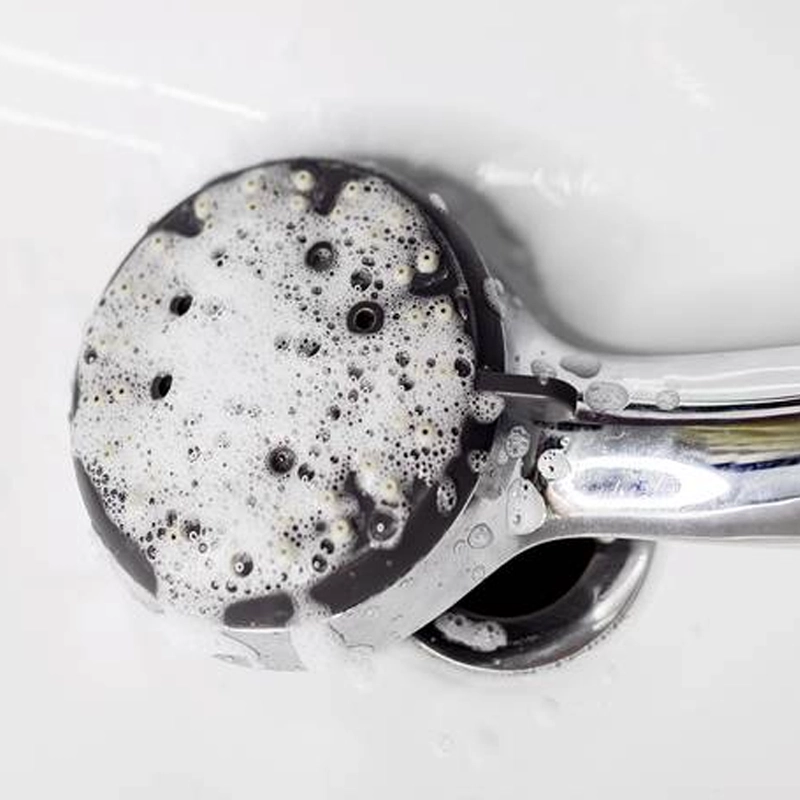
Manganese and bacteria-related buildup is usually more of a hygiene and maintenance concern than an immediate emergency, but it should not be ignored. Manganese can discolor surfaces and contribute to staining, while bacteria can form biofilm in moist areas. In some cases, this buildup may produce odor, reduce spray quality, or make the shower head look dirty even after cleaning.
From a product quality perspective, this is why manufacturers should focus on surface durability, easy-clean nozzles, and smooth internal water pathways. A better-designed shower head is easier to maintain and less likely to trap residue.
Certain bacteria interact with oxidized iron and manganese in water systems. They do not “eat” metal in the same way a person eats food, but they can use these compounds as part of their biological activity, which contributes to dark deposits and biofilm formation. This is one reason black buildup often appears in shower heads, toilet tanks, and water fixtures with stagnant moisture.
Iron in water is one of the most common causes of rust-colored, brown, or black staining. When iron oxidizes, it can leave dark residue on shower surfaces and inside spray components. If the water source contains elevated iron, the problem may return repeatedly unless the source water is treated. In some cases, the shower head itself is not defective at all—the water chemistry is the real issue.
When manganese and iron are present in water, they can oxidize after exposure to air. Once oxidized, they settle on surfaces and begin to collect in small areas such as spray holes, hose connectors, and internal chambers. Warm, wet bathroom environments make the buildup worse because moisture encourages adhesion and microbial growth.
This is especially noticeable in wall mounted shower heads, where water remains inside the fixture after use. If the internal structure is complex or the nozzle surface is rough, deposits can accumulate faster. That is why manufacturing details matter so much. A smoother spray face, stable finish quality, and well-planned water flow path can help reduce residue buildup over time.
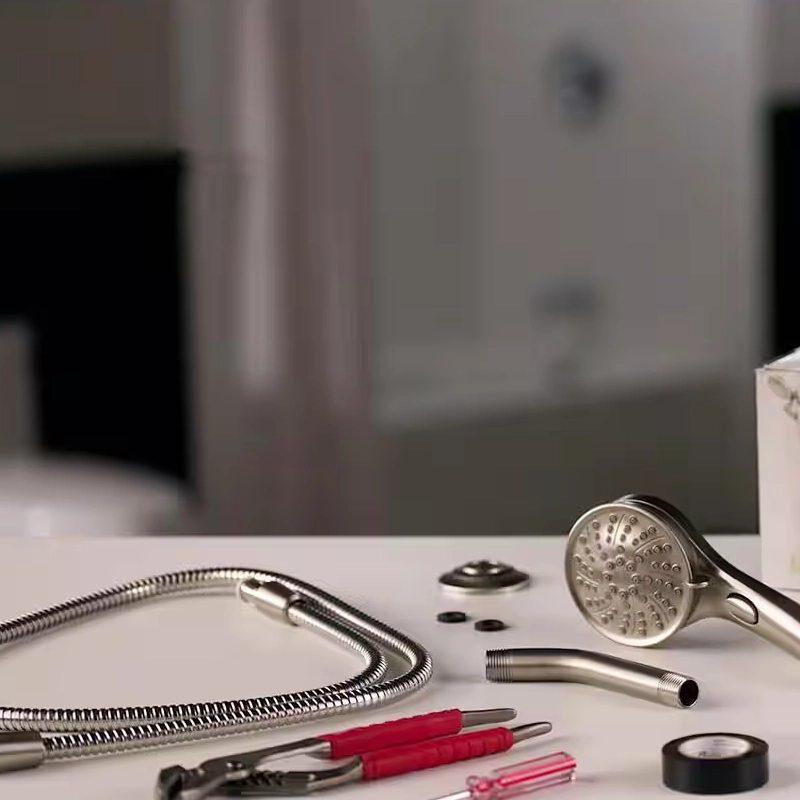
Testing is the best way to confirm the source. Homeowners can use a water test kit, send samples to a certified laboratory, or contact a local water treatment specialist. A proper test can identify whether the issue comes from iron, manganese, bacteria, or another contaminant. If the test shows high iron or manganese content, cleaning the shower head alone may only provide temporary improvement.
The cost depends on the testing method. Simple home kits may be inexpensive, while full lab testing costs more but gives a more accurate and complete result. For property managers, distributors, and project buyers, testing is often a worthwhile step because it helps avoid recurring complaints and supports better fixture selection.
If black buildup keeps returning, the real solution is not only cleaning the shower head. The source water and the fixture design both need attention. As a professional bathroom fixture manufacturer, Jekare believes the best long-term fix is to combine better water management with better product engineering.
A high-performance fixture should not only look good on day one. It should continue performing well after months and years of use. That is why material choice, internal structure, and surface treatment are so important in manufacturing.
Working with reliable suppliers matters. A low-grade shower head may stain faster, trap buildup more easily, or deteriorate under harsh water conditions. By contrast, a quality supplier can provide stable materials, consistent tooling, and better-quality control. At Jekare, we produce shower products under an ISO9001 quality system, which helps ensure repeatable performance and dependable batch quality.
For buyers in different markets, selecting the right partner is just as important as selecting the right design. The right supplier should understand water conditions, local standards, finish durability, and customer expectations.
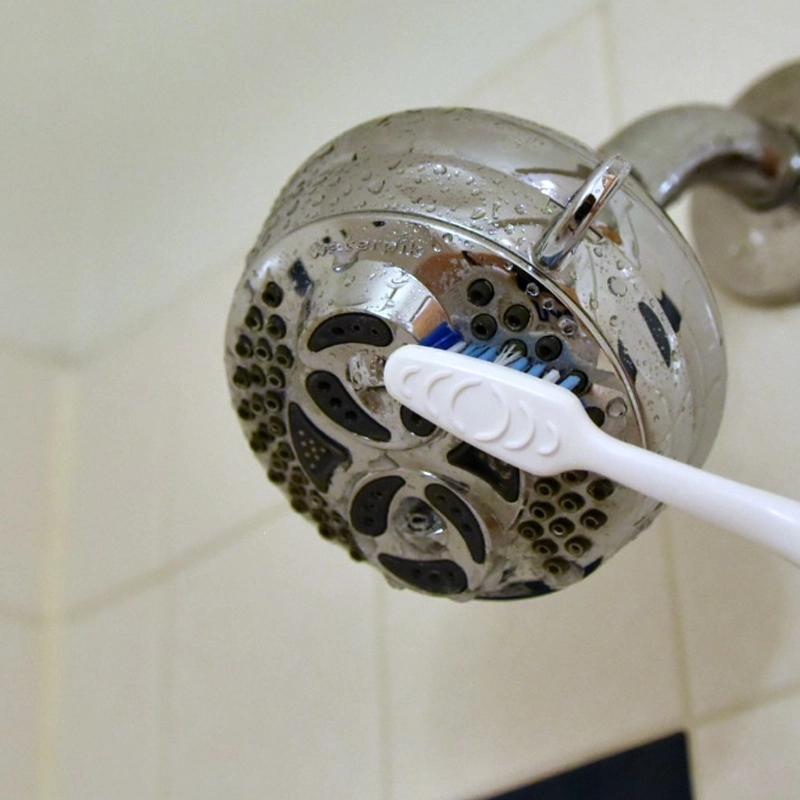
In many projects, the best answer is a custom product rather than an off-the-shelf solution. Jekare offers custom service for brands that need shower heads designed for specific water environments. That includes brass shower heads, corrosion-resistant surface options, and models optimized as shower heads for pressure where stronger spray performance is required.
We also support development of a high power shower head for markets where users want a more forceful rinse and better spray coverage. If a shower system is intended for hard-water conditions, the internal path, nozzle design, and finish treatment can all be adjusted to improve durability and cleaning ease.
From an engineering view, the right shower head can make maintenance easier, reduce visible buildup, and improve the user experience. From a brand view, it can reduce complaints and increase product value.
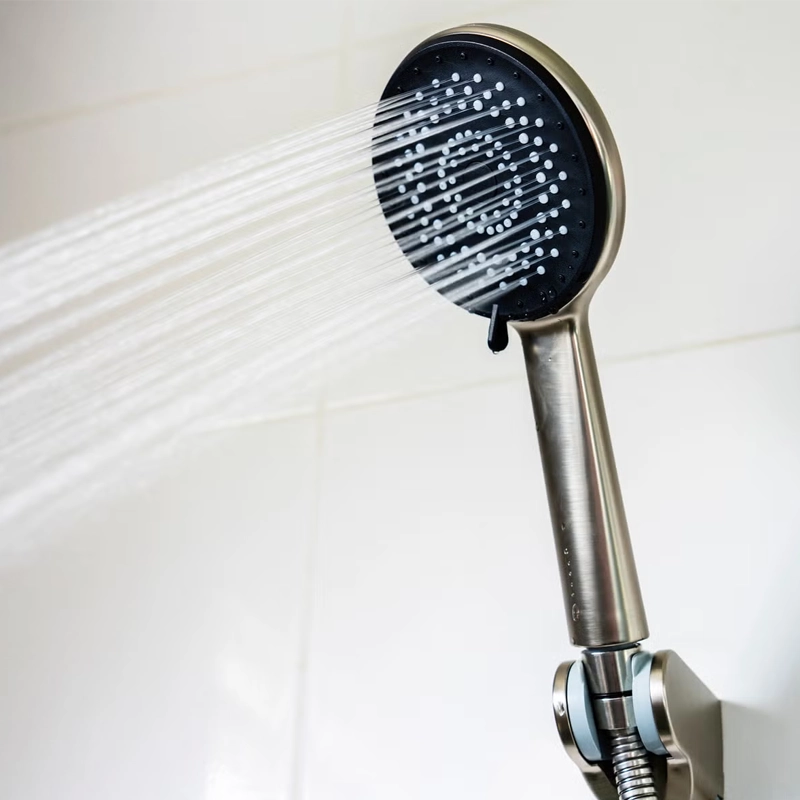
Choosing a high-quality shower head with customizable material options may help reduce the risk of black gunk buildup over time. The black residue on a shower head is often caused by manganese, iron, bacteria, or a combination of all three. While regular cleaning can help, a more durable long-term solution starts with a better-designed fixture that can handle real water conditions. If your water supply contains minerals or your current shower head tends to trap residue easily, product quality, surface treatment, and material selection become just as important as water treatment.
If you want to reduce the risk of black gunk buildup, a custom Chrome Shower Head With Handheld can be a smart choice. The chrome finish offers a clean, polished appearance that is easy to match with a wide range of bathroom styles, while the handheld design adds flexibility for rinsing, cleaning, and everyday use. With the right material selection and surface treatment, this type of shower head can also help improve resistance to mineral buildup and make routine maintenance easier over time.
At Jekare, we support custom shower head development with strong manufacturing capability, reliable quality control, advanced testing equipment, and professional production standards, so we can deliver products that perform consistently and meet the needs of different markets. Contact us today to custom your high quality shower head.
It is typically caused by a combination of manganese, iron, mineral deposits, and microbial buildup. In hard-water or untreated-water environments, these materials can collect around spray nozzles and internal channels over time.
Not always. In many cases, the issue comes from water quality rather than a product defect. However, the shower head design, surface finish, and internal water path can affect how easily buildup forms and how simple the product is to clean.
A professional manufacturer can improve resistance by using better materials, smoother internal channels, corrosion-resistant finishes, and easy-clean nozzle design. Stable production quality and proper testing also help reduce buildup risk.
A high-quality shower head is more likely to maintain spray performance, resist staining, and stay easier to clean. For hard-water markets, this helps improve user satisfaction and lowers maintenance complaints.
Yes. Jekare supports custom shower head development for different markets and water environments. We can adjust structure, finish, spray design, and pressure performance to better match project requirements and local usage conditions.