
At JEKARE, we build shower heads and taps every day — from single-piece ABS handsets to precision-machined brass basin taps. Below is a detailed, professional look at the manufacturing process behind modern shower heads and taps: how raw materials become plated, durable finishes and assembled products, and why the choices made at each stage matter for longevity, performance and aesthetics. If you’re evaluating OEM partners, a custom shower head line, or sourcing high pressure shower head components, this guide explains what you should expect from a high-quality factory and manufacturer.
The perceived quality of a shower head or tap depends less on marketing and more on metallurgy, surface engineering, and assembly practices. Whether a product is plastic (ABS) with a chrome-like finish or solid brass, the multi-stage surface treatments and machining steps define durability, resistance to corrosion, and feel. At JEKARE, we emphasis process control because finishes that delaminate or thin plating shortcuts translate directly to warranty claims in the field.
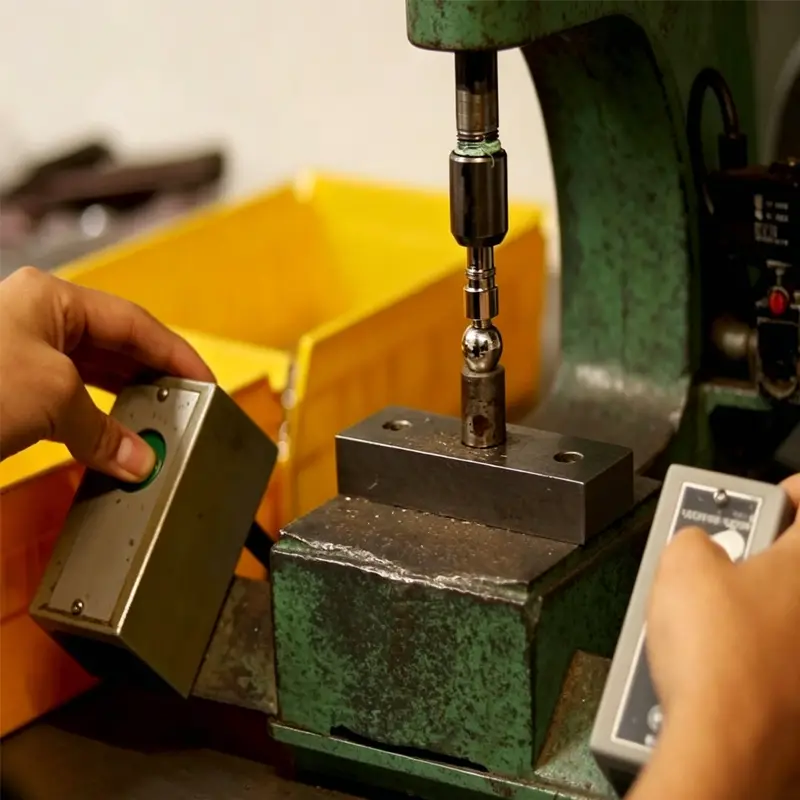
Many modern hand showers use engineered ABS for complex shapes, light weight, and cost-efficiency. When a plastic shower head wears a metallic finish (e.g., chrome), the finish is actually a layered system applied to a prepared plastic substrate.
ABS (acrylonitrile–butadiene–styrene) is injection molded to produce the final shape — complex geometries and thin ribs are feasible, and tooling can be optimized for high volumes. Good mold design reduces stress points and ensures consistent wall thickness.
The ABS surface is chemically treated (commonly with a controlled chromic-acid etch) to remove a small amount of the butadiene rubber phase and create a micro-porous, sponge-like surface. This micro-roughness is essential: it forms mechanical anchor points so subsequent metallization adheres to the plastic.
A thin, non-visible palladium catalyst layer is introduced. Palladium (or similar noble-metal activators) is required to seed the surface so electroless metal deposition will take. Without this activation the plating process will fail to uniformly adhere.
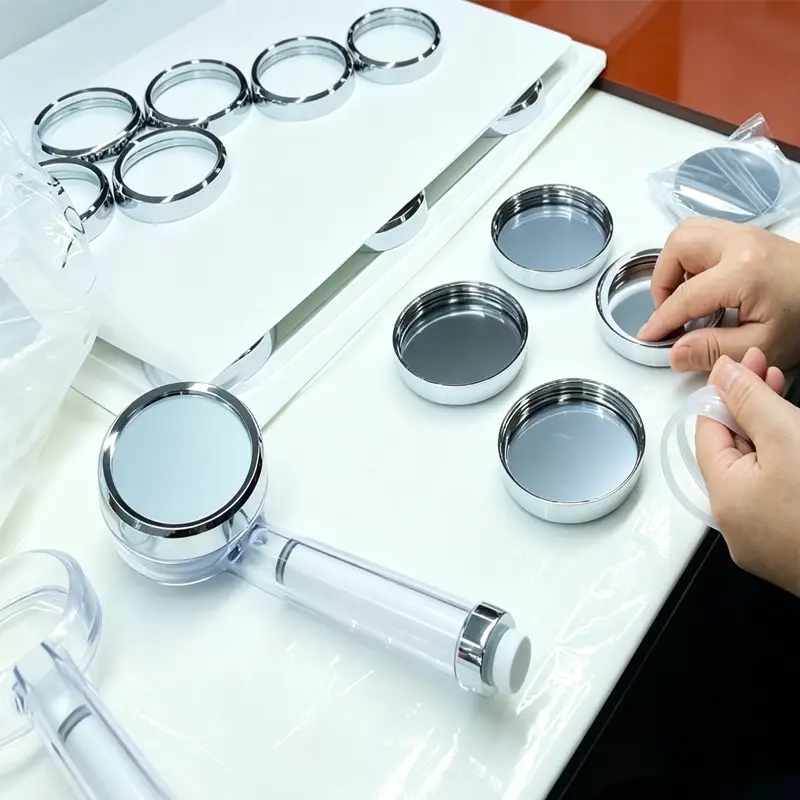
Electroless nickel deposits a uniform metal layer over the complex geometry. This layer provides conductivity so the piece can accept electroplating and offers initial corrosion resistance.
An additional nickel-rich intermediate layer is often applied to refine the surface and improve uniformity before heavier decorative layers.
A copper layer (typically on the order of tens of microns — commonly specified around 25–30 µm in high-quality processes) is applied to help equalize thermal expansion and mechanical stress between the plastic core and the outer chrome. This copper buffer reduces the risk of cracking or flaking under temperature cycles.
A satin nickel layer forms the base for satin chrome finishes and helps create a consistent visual tone.
For high-gloss chrome-like finishes, a final shiny nickel layer provides reflectivity and a stable base for the chrome.
The decorative chrome is electroplated on top. Layer design and total thickness determine scratch resistance, corrosion life, and luster. JEKARE’s premium ABS plating systems aim for a robust multi-layer structure rather than a single, ultra-thin coat.
Why it matters: manufacturers who skip the copper buffer or shortcut the palladium activation often produce parts that look great initially but fail after thermal cycling or repeated handling.
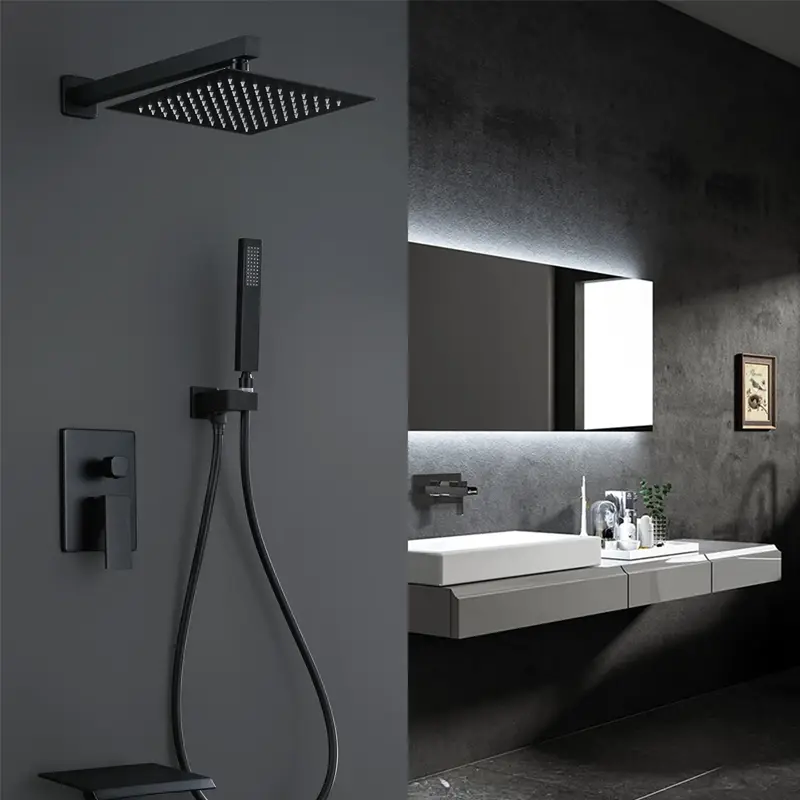
Brass remains the material of choice for premium basin taps because of its machinability, corrosion resistance and weight-perceived-value.
Brass (a copper–zinc alloy) is chosen for its corrosion resistance and machinability. The specific alloy formulation is selected based on strength and finishing needs.
Openings for cartridges, aerator threads, hose connections and ceramic seats are precision-machined — frequently in single setups to maintain concentricity and tolerance. Cycle times vary with complexity (from tens of seconds to a couple minutes).
Automated processes handle most radii and surfaces; intricate contours are often hand-ground and polished to meet premium cosmetic requirements.
Components are cleaned, activated and prepared for electroplating. Surface cleanliness and process control at this step are vital for adhesion and corrosion resistance.
A first plated layer (often nickel or similar) adds corrosion protection and improves the final finish’s uniformity.
High-quality chrome or other decorative layers are applied. For basin taps, JEKARE’s standard chrome thickness target is higher than commodity options; many lower-cost suppliers reduce plating thickness to cut cost — at the expense of long-term life expectancy. We typically specify plating ranges to ensure the finish maintains integrity over years of use.
After plating, internal components (cartridges, seals, hoses, aerators) are assembled and pressure-tested. Final assembly includes torque control, leak testing, and cosmetic inspection.
Notes on plating thickness: some manufacturers advertise chrome finishes of only 0.2–0.6 µm (which is very thin) to save cost; higher-spec products will use thicker multi-layer systems to enhance durability.
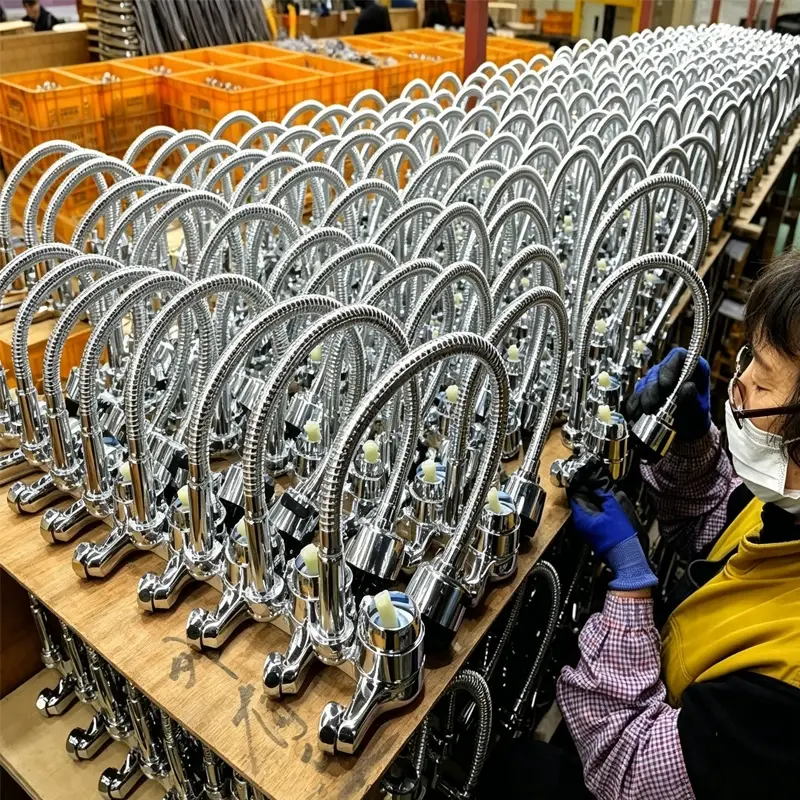
If you’re developing a high pressure shower head or a custom shower head line, material choice and plating architecture directly influence performance: metal-backed nozzles, robust hose connections, and correct layer sequencing prevent failures. As an OEM and factory partner, JEKARE designs the multi-layer finishes and machining processes so the end product performs in real-life water systems — not just on the showroom floor.
Optimizing cycle times, recycling rinse baths, and controlling chemical usage reduce environmental impact and cost. A reliable manufacturer balances production throughput with environmental compliance and worker safety.
We recommend our Custom Ceiling Mounted Rain Shower Head for projects that require a premium look, wide water coverage, and stable long-term performance. Its overhead rainfall design delivers an even, comfortable spray while creating a clean, modern bathroom aesthetic, making it ideal for residential, hotel, and high-end commercial applications.
This model can be fully customized in size, finish, spray pattern, and flow performance to match different market requirements. As a professional manufacturer, JEKARE provides strong OEM/ODM capability, supported by in-house mold development, precision machining, and advanced surface finishing equipment. Our production system ensures consistent quality, stable batch output, and strict testing control from tooling to final assembly.
With reliable industrial capacity and full-process manufacturing control, we help brands develop ceiling mounted shower solutions that combine design appeal with dependable factory-level performance.
At JEKARE, our factory combines precision machining, multi-stage plating, and full assembly/testing capabilities so you get market-ready, reliable shower heads and taps. Interested in developing a custom shower head or sourcing an OEM high pressure shower head line? Tell us your target material, desired finish and order volumes — we’ll propose a manufacturing plan and a sample schedule. Let’s get your project started.
Because durability, corrosion resistance, and long-term appearance depend on how the product is molded, machined, plated, and assembled. A well-controlled process helps reduce peeling, cracking, leaks, and warranty issues.
ABS shower heads rely on layered plating over a molded plastic body, while brass taps are typically forged or machined from metal and then plated. ABS is lighter and cost-efficient, while brass offers stronger structural feel and premium durability.
The copper layer acts as a stress buffer between the plastic base and the outer decorative finish. It helps improve adhesion, reduce cracking, and support better performance under temperature changes and repeated use.
At minimum, buyers should expect salt spray testing, adhesion and thermal cycling tests, and flow or pressure testing. These checks help confirm that the finish, sealing, and performance can hold up in real-world applications.
Look for strong machining capability, consistent plating architecture, full assembly support, and proven testing standards. A reliable OEM partner should be able to control finish quality, meet target performance, and scale production consistently.