
Our factory design and manufacture shower products with one clear goal: to help brands deliver a better shower experience through the right balance of performance, efficiency, and reliability. One of the most important specifications in shower product development is GPM, which stands for gallons per minute. If you have ever compared a 2.5 gpm shower head, a high gpm shower head, or even a 5.5 gpm shower head, you have already seen how GPM changes the way a shower feels, performs, and uses water.
GPM is the measurement of how much water flows through a shower head in one minute. It is one of the most important specifications in bathroom fixture manufacturing because it directly affects spray strength, rinsing speed, water usage, and user satisfaction. A lower GPM usually means less water consumption, while a higher GPM generally delivers a stronger and fuller shower feel.
For a manufacturer, GPM is not just a number printed on a product label. It is part of the product’s core engineering. Nozzle size, internal channel design, spray plate layout, flow restrictors, and water pressure compatibility all influence the final performance of a shower head.
In everyday use, GPM affects how quickly soap rinses away, how balanced the spray feels on the body, and how long the shower takes. A shower that feels too weak may frustrate users, while one that flows too heavily may waste water. The ideal GPM depends on local regulations, water pressure conditions, customer preferences, and the intended market.
Different shower styles are built around different flow experiences. A compact handheld model may perform well at a lower GPM, while a rainfall design may need a different internal structure to feel full and comfortable. This is why the same shower head GPM value can feel very different across product types. At Jekare, we design for this difference from the start rather than treating all shower heads the same.
The longer the shower, the more important GPM becomes. For example, a lower-flow model can help reduce water use over time, especially in homes where showers are taken daily. A higher-flow model may feel more luxurious, but it also increases total consumption. This is why many projects look for a balance between comfort and efficiency instead of choosing the highest flow available.
Even small differences in GPM can create meaningful annual savings. Over the course of a year, a lower-flow product can reduce water usage significantly, especially in hotels, apartment projects, and large residential programs. For brands and buyers, this means GPM is not only a performance decision but also a cost and sustainability decision.
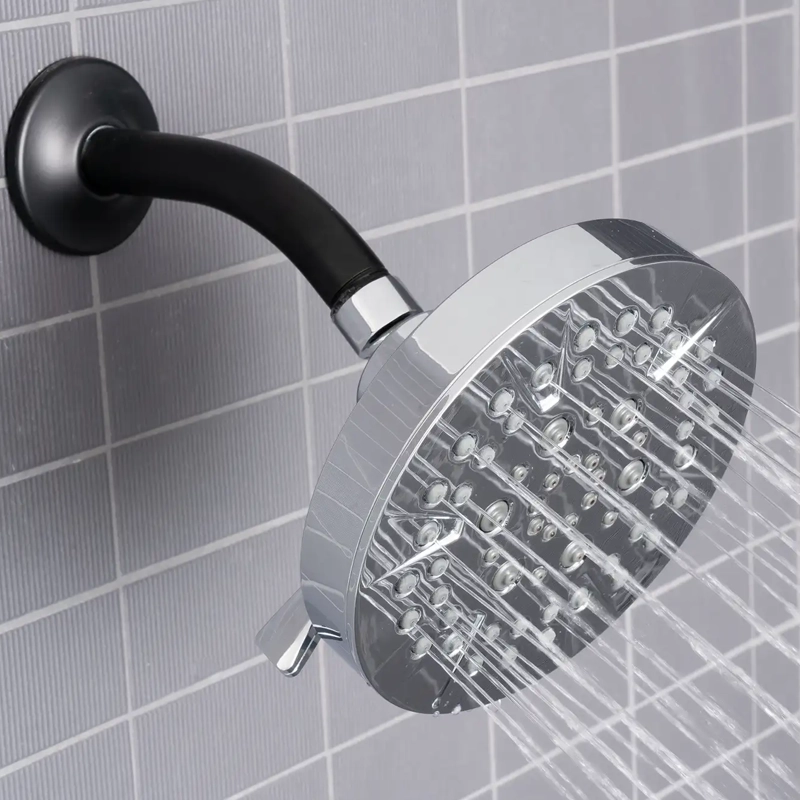
At Jekare, we manufacture shower heads with target flow performance in mind. Whether a project requires a water-saving model or a more powerful spray profile, the right GPM must be built into the product design and tested during production. A 2.5 gpm shower head may be ideal for markets that prioritize efficiency and compliance, while a high gpm shower head may be better suited for users who want stronger output and a more forceful rinse.
Our factory supports custom development for different spray faces, body structures, and flow-control requirements. That means we can help brands define the right balance between water efficiency, comfort, and market positioning before mass production begins.
Although GPM is critical, it is not the only factor that determines shower quality. The way water exits the shower head matters just as much as the flow rating itself.
A lower GPM shower can still feel strong if the spray pattern is focused and efficient. A higher GPM shower can still feel disappointing if the spray holes are poorly designed. In other words, GPM sets the flow level, but product engineering shapes the experience.
A product with a strong-looking specification does not always deliver a better shower. Users care about spray coverage, comfort, noise, pressure feel, and rinse performance. That is why a well-made average shower head GPM product can outperform a poorly designed high-flow model in real use.
Many markets have flow-rate standards that manufacturers must follow. These standards help reduce water waste and support environmental goals. For global brands, compliance is not optional. A shower head must meet local regulations while still satisfying user expectations. That is where professional manufacturing becomes essential.
Low-GPM products are popular because they support water conservation, lower utility bills, and often align with modern efficiency requirements. They are especially useful for hotel projects, residential developments, and retail programs that need broad market compatibility. The key challenge is making sure a low-flow shower still feels comfortable and complete.
GPM should always be treated as a core product design parameter. It affects not only the amount of water delivered but also how the shower performs under different plumbing conditions. This is why fixture development requires both technical planning and real-world testing.
Modern shower technology can improve the user experience at many different flow levels. Internal water channels, spray-hole geometry, pressure-balancing design, and surface finishing all influence how the shower feels. A well-designed product can make a lower-flow fixture feel more satisfying than expected, while a poorly designed product can waste water and still disappoint the user.
That is why Jekare focuses on engineering, not just appearance. When we develop products, we consider water path efficiency, spray distribution, and compatibility with the intended market. This is especially important when a customer needs a specific shower head GPM for a retail line, hospitality project, or private-label launch.
Water pressure and GPM are related, but they are not the same thing. Pressure affects how strongly water is pushed through the plumbing system, while GPM measures how much water actually comes out of the shower head. A home with low pressure may not deliver the same experience as a home with high pressure, even if both use the same shower head.
For manufacturers, this means product design must account for real-world pressure variation. A fixture that works well in one market may need adjustment in another. That is also why buyers often ask for custom development, because the right shower head must fit both local water conditions and customer expectations.
The future of shower head design will continue to move toward smarter balance: lower water use, better spray performance, and more flexible customization. Buyers want products that are efficient, but they also want a shower that feels good every day. Manufacturers that can engineer this balance will be best positioned for long-term success.
At Jekare, we see growing demand for shower heads that combine controlled flow, strong user comfort, and stable production quality. Whether the target is an efficient household model or a premium 5.5 gpm shower head for a specific market segment, the best results come from thoughtful engineering and consistent manufacturing control.
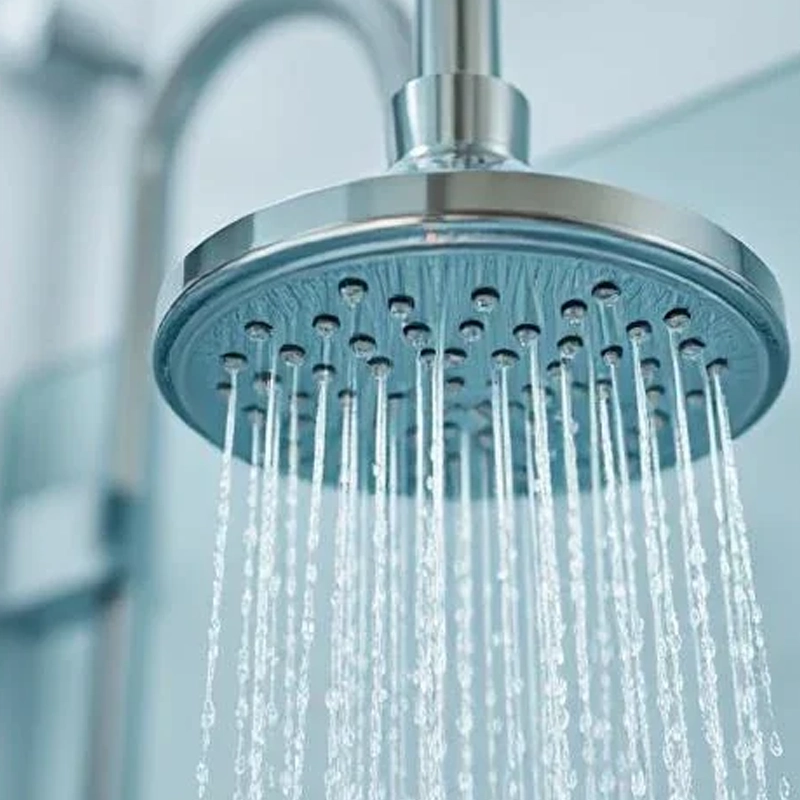
The right GPM depends on your market, local regulations, water pressure conditions, and the shower experience you want to deliver. For efficiency-focused applications, a lower GPM may be the better fit. For buyers who want a stronger spray, faster rinsing, and a more traditional shower feel, a 2.5 GPM shower head is often an excellent choice. It offers a fuller water output and a more satisfying bathing experience, making it well suited for markets that allow higher-flow products and for brands that want to position their shower line around comfort and performance. At Jekare, we support custom GPM development with OEM/ODM service, more than 20 years of manufacturing experience, and professional testing equipment to ensure every product meets the required flow performance, quality standards, and real-world application needs.
So, what is GPM in shower heads? It is the flow rate that tells you how much water a shower head delivers each minute, and it plays a major role in comfort, water use, and product performance. From a 2.5 gpm shower head to a high gpm shower head, the right choice depends on your market, your users, and your product goals. The average shower head gpm may be a useful reference point, but real performance comes from the full combination of flow design, pressure compatibility, and manufacturing quality.
At Jekare, we help brands develop shower products that perform well in the real world, not just on paper. If you are planning a new shower line or need a custom flow-rate solution for your market, what kind of GPM target are you looking to achieve in your next project?
A properly chosen GPM is essential for achieving the right balance of comfort, water efficiency, and shower performance. We can customize shower heads in a wide range of GPM options to match different market needs, and our OEM/ODM service supports tailored flow rates, spray patterns, finishes, and product structures. With advanced factory testing equipment, strict quality control, and reliable after-sales support, we help ensure every shower head delivers consistent performance in real-world use. If you are developing a new shower line or need a custom GPM solution for your project, please feel free to contact us.
GPM stands for gallons per minute and refers to the amount of water a shower head delivers in one minute. For manufacturers and B2B buyers, it is a key performance specification because it affects spray feel, water usage, user comfort, and market compliance.
The right GPM depends on your target market, local regulations, water pressure conditions, and product positioning. Lower GPM models are usually better for water-saving and compliance-focused markets, while higher GPM models may suit customers who want a stronger shower feel.
Yes. Jekare can customize shower heads across a wide range of GPM options. We support OEM/ODM development for tailored flow rates, spray patterns, finishes, and product structures to match different project and market needs.
Not necessarily. A higher GPM can deliver more water, but shower performance also depends on nozzle design, internal water path, spray plate layout, and pressure compatibility. A well-engineered lower-GPM shower head can perform better than a poorly designed high-flow model.
We use advanced factory testing equipment and strict quality control procedures to verify flow performance, spray consistency, and product stability. This helps ensure each shower head meets the intended GPM target and performs reliably in real-world use.
OEM/ODM support allows brands to develop products that match specific customer expectations, compliance requirements, and water conditions. This is especially important when a market needs a custom balance of flow efficiency, spray comfort, and product appearance.