
At our factory, we build shower fixtures for brands that need the right balance of comfort, compliance, and real-world performance. When buyers ask whether a 1.8 gpm shower head or a 2.5 gpm shower head is better, the honest answer is: it depends on your market, your water conditions, and the user experience you want to deliver. In the U.S., the federal standard for showerheads is 2.5 gpm, while EPA WaterSense-labeled models are limited to 2.0 gpm or less and are designed to provide a satisfactory shower experience.
GPM means gallons per minute. It is the flow rate that tells you how much water the shower head delivers every minute. In product development, shower head GPM is one of the most important specifications because it influences rinse speed, spray feel, water savings, and compliance. A higher number usually means more water output, but a smarter nozzle design can sometimes make a lower-flow product feel more powerful than expected.
GPM matters because it directly affects both the bathing experience and operating cost. A higher-flow shower can feel fuller and rinse faster, but it also uses more water and more hot water. A lower-flow shower can reduce utility usage and support water-efficiency goals, but only if the spray design still feels comfortable. EPA notes that WaterSense showerheads can save a family about 2,700 gallons of water per year, which also reduces energy used to heat that water.
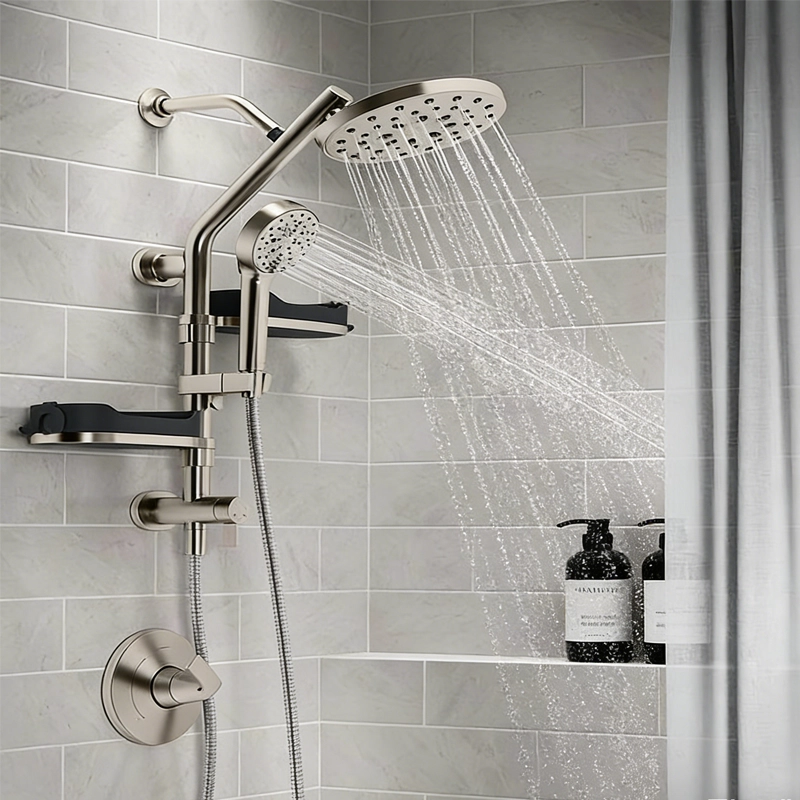
WaterSense is EPA’s water-efficiency program. For showerheads, WaterSense-labeled models must demonstrate a maximum flow rate of 2.0 gpm and also meet performance criteria for coverage and spray intensity. That means WaterSense is not just about saving water; it is also about preserving a satisfying shower experience. For brands and manufacturers, WaterSense is a strong benchmark when developing efficient, market-ready products.
There is no single number that applies cleanly everywhere, because showerhead limits can vary by state, code, and even program requirements. California’s residential CALGreen measure lists single showerheads at 1.8 gpm at 80 psi, and multiple showerheads on one valve must not exceed that combined flow. New York’s GreenNY specification requires WaterSense-certified replacements at 2.0 gpm or less, while also noting that standard showerheads meeting the IPC are allowed up to 2.5 gpm. Massachusetts code references 2.5 gpm per shower head in certain provisions. (hcd.ca.gov)

Flow rate is the amount of water delivered over time, usually measured in GPM. It tells you how much water comes out, not how forcefully the plumbing pushes it.
Water pressure is the force driving water through the plumbing system. Two homes can have the same pressure but very different shower experiences if the fixtures are designed differently.
Flow rate is about volume; pressure is about force. That is why a high power shower head can feel stronger even when it is designed to use water efficiently. For shower development, both factors must be considered together, not separately.
Both can be good, but they serve different goals. A 1.8 gpm shower head is often the better choice for efficiency-focused projects, code-driven markets, and customers who want lower water use. A 2.5 gpm shower head may be better where local rules allow it and the buyer wants a more traditional, fuller spray feel. The best choice is not only about volume; it is about how the shower head is engineered to distribute the water. (US EPA)
A 1.8 GPM model can help reduce water use, support sustainability goals, and fit stricter codes such as California’s current residential standard. A 2.5 GPM model can feel more robust and may be preferred in markets that still permit the federal maximum.

Do not choose flow rate by number alone. A poorly designed 2.5 GPM product can feel weak, while a well-designed lower-flow product can feel surprisingly strong. Also, compliance matters: a product suitable in one state may not be acceptable in another.
Choose 1.8 GPM when compliance and conservation are priorities. Choose 2.5 GPM only when your target market allows it and your customers expect a stronger-flow product. For many brands, the smarter path is to develop both options for different channels.
From a manufacturing perspective, the “best” GPM is the one that matches the market and still delivers a satisfying shower. WaterSense’s 2.0 GPM benchmark is a strong middle ground for many products, while 1.8 GPM is essential in stricter jurisdictions such as California residential code. For some customers, 2.5 GPM remains the preferred performance target where allowed. The right answer depends on regulation, water pressure, and product positioning. (US EPA)
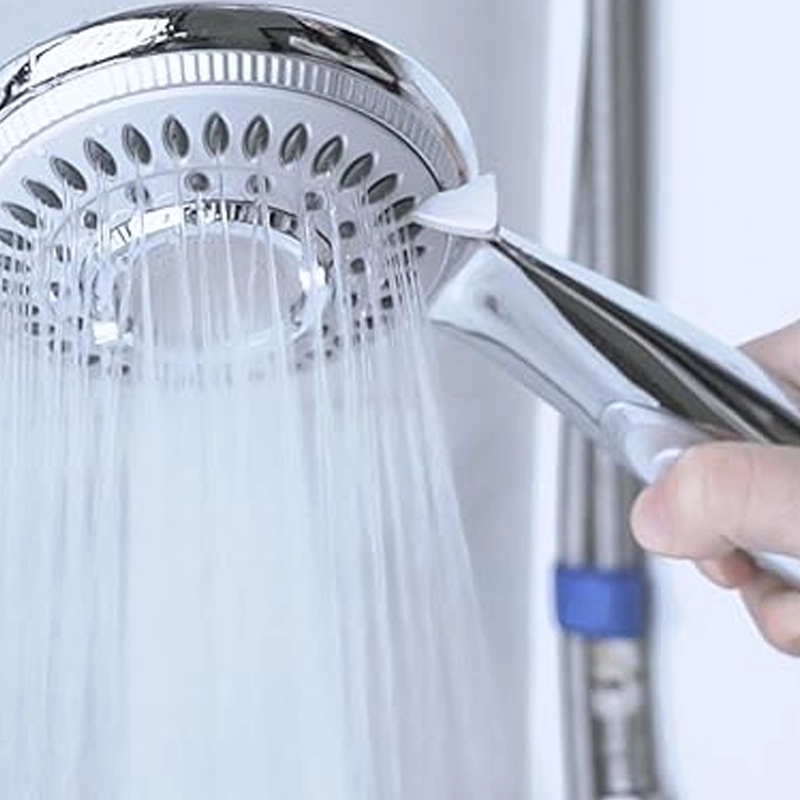
Good for very efficiency-focused programs, especially where the buyer wants the lowest practical water use without sacrificing usability. Similar low-flow products are commonly used in conservation-oriented projects.
A strong all-around choice because it aligns with WaterSense and is widely recognized as a good balance between comfort and savings. EPA says WaterSense showerheads must be no more than 2.0 GPM. (US EPA)
Best when the market allows the federal maximum and the customer values a fuller spray feel. New York’s GreenNY page notes that standard showerheads meeting IPC may be allowed up to 2.5 GPM, though the state also prefers lower-flow replacements for public-sector use.
Think about local code, water pressure, user expectations, product category, and whether your project is residential, hospitality, or commercial. If your business sells across multiple markets, it is often wise to develop separate flow-rate versions rather than forcing one model into every application.
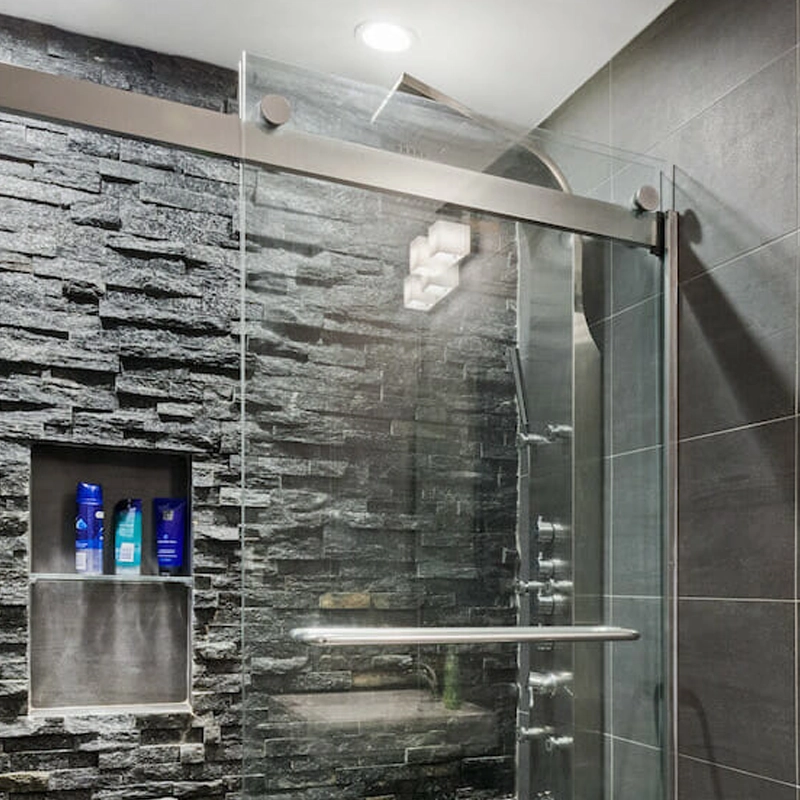
If your target market allows a higher-flow option and your customers prefer a fuller, more traditional shower feel, our 2.5 GPM shower head is a strong choice. It delivers a more robust spray, faster rinsing, and a more satisfying bathing experience, while still supporting practical performance for residential, hospitality, and retail applications. At Jekare, we bring more than 20 years of manufacturing experience to every project, with strong OEM/ODM capabilities, stable production processes, and strict quality control from development to mass production. That means we can customize the shower head structure, spray performance, finish, and packaging to match your market requirements and brand positioning.
In conclusion, the choice between a 1.8 GPM and a 2.5 GPM shower head ultimately depends on your target market, regulatory requirements, and desired user experience. A 1.8 GPM model is typically the better option for compliance-driven and water-efficiency-focused applications, while a 2.5 GPM shower head delivers a fuller spray, faster rinsing, and a more traditional, high-performance shower experience in markets where it is permitted. For many brands, 2.0 GPM remains a balanced solution aligned with WaterSense expectations. At Jekare, we support customers from the initial flow-rate selection through to final production, offering customized GPM solutions, OEM/ODM development, advanced manufacturing equipment, and strict quality control to ensure consistent and reliable performance. With our strong factory capabilities, we can tailor products to meet diverse regional standards and project requirements. If you are developing a new shower line or considering a 2.5 GPM shower head for your market, we welcome you to contact us to discuss your specific needs.
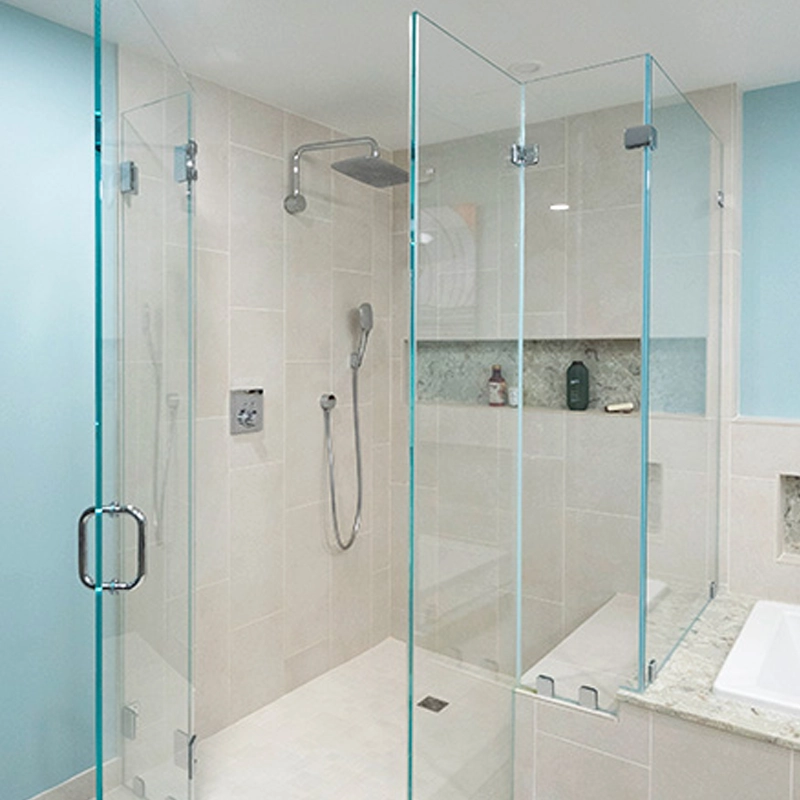
A 1.8 GPM shower head is generally better for water efficiency and stricter compliance requirements, while a 2.5 GPM model usually provides a fuller spray and a more traditional shower feel where higher flow is allowed.
That depends on local regulations, target users, and project type. Efficiency-focused or code-driven markets often favor 1.8 GPM, while markets that allow higher flow may prefer 2.5 GPM for a stronger shower experience. For many brands, 2.0 GPM is a practical middle ground.
Not necessarily. A higher GPM can increase water output, but real shower performance also depends on nozzle design, spray pattern, internal water path, and pressure compatibility. A well-engineered lower-GPM product can perform better than a poorly designed high-flow model.
Yes. Jekare supports customized GPM development through OEM/ODM service. We can tailor flow rate, spray pattern, structure, finish, and product configuration to match your market needs and compliance requirements.
Water pressure affects how the shower head performs in real use. Two products with the same GPM can feel very different depending on the plumbing system and the internal design of the fixture. That is why both pressure and flow rate should be evaluated together.
Jekare combines advanced manufacturing equipment, strict quality control, and strong production capability to deliver stable, market-ready shower solutions. We help buyers choose the right flow rate early in the process so the final product performs well in actual applications.