
When planning a shower system, it’s easy to focus on the main fixture and overlook the components that actually define the user experience. One of those components is the shower slide bar. For brands, distributors, and project buyers, understanding how shower rails function—and how they influence usability, installation, and product value—is essential to building a competitive bathroom product line.
From a manufacturing standpoint, a well-designed shower head rail or shower riser rail is not just an accessory. It is a functional system that improves ergonomics, supports multiple user scenarios, and enhances the overall perception of quality. As an experienced OEM/ODM factory, Jekare works closely with global clients to develop custom shower riser solutions that align with both technical requirements and market expectations.
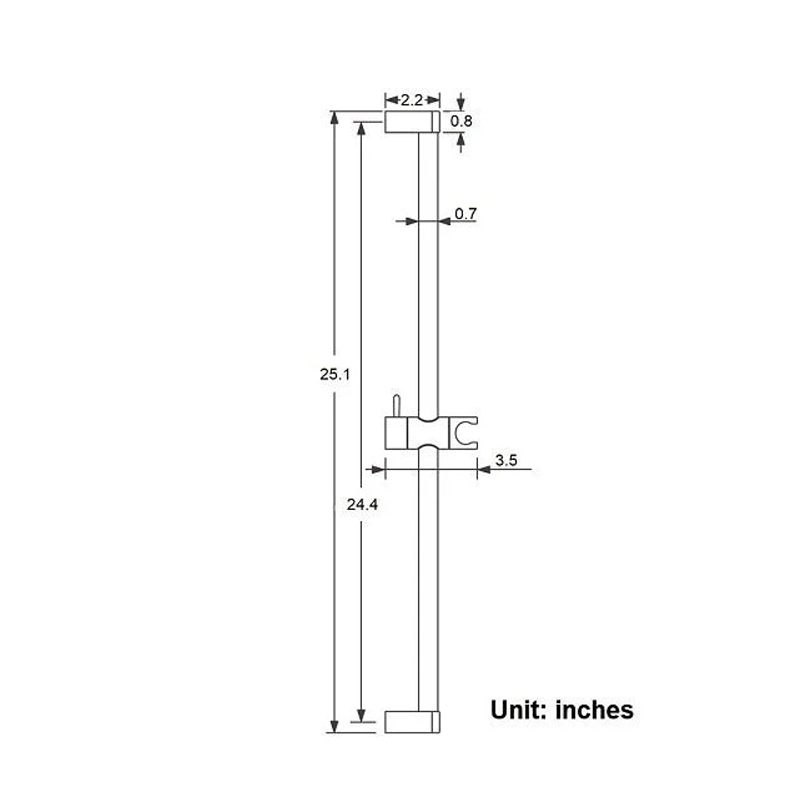
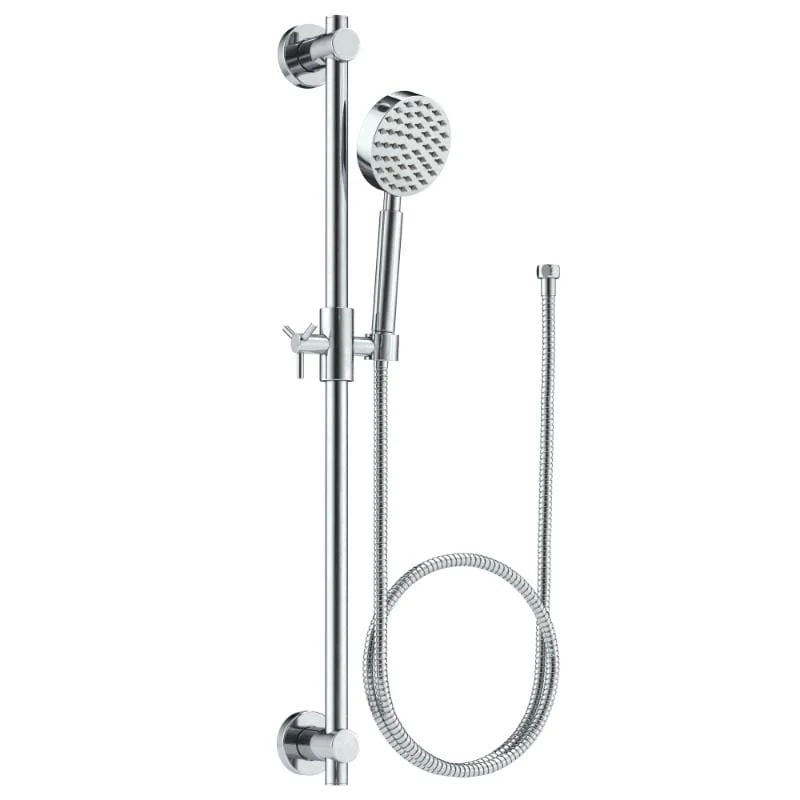
A shower slide bar—also referred to as a shower hand rail or shower riser rail—is a vertically mounted rail that allows a handheld shower head to move up and down. This simple adjustability significantly improves comfort and usability across different user groups.
For product development, slide bars are highly valuable because they:
In OEM product lines, integrating shower rails into a system package (with handheld shower head and hose) increases product value and differentiation.
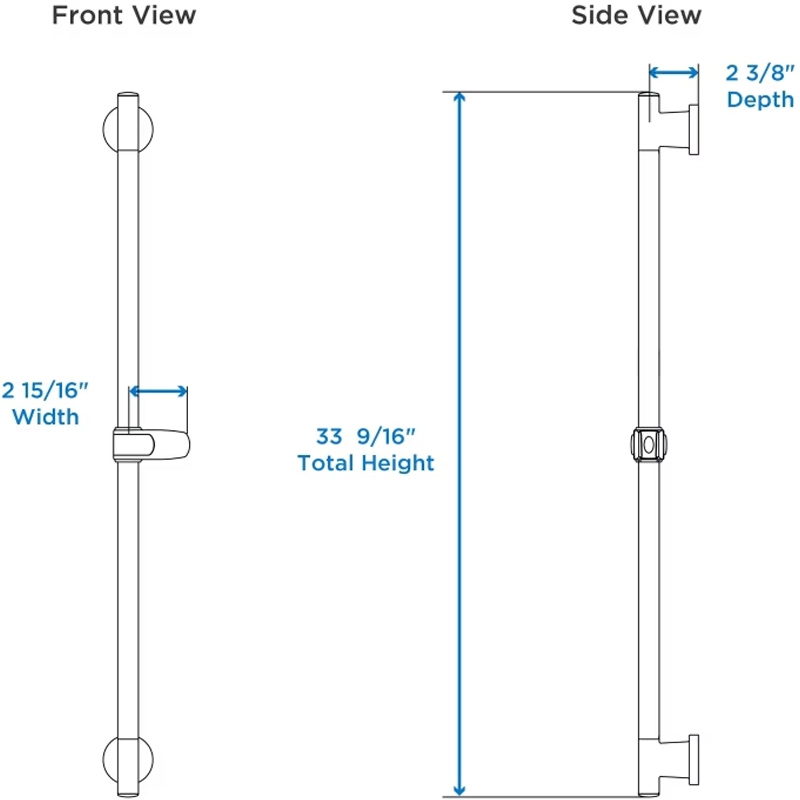
A standard shower head rail system includes:
From a manufacturing perspective, the sliding mechanism is critical. Common types include:
At Jekare, we optimize internal tolerances and surface finishes to ensure:
Premium designs may also include anti-rotation features and damped movement to enhance user experience.
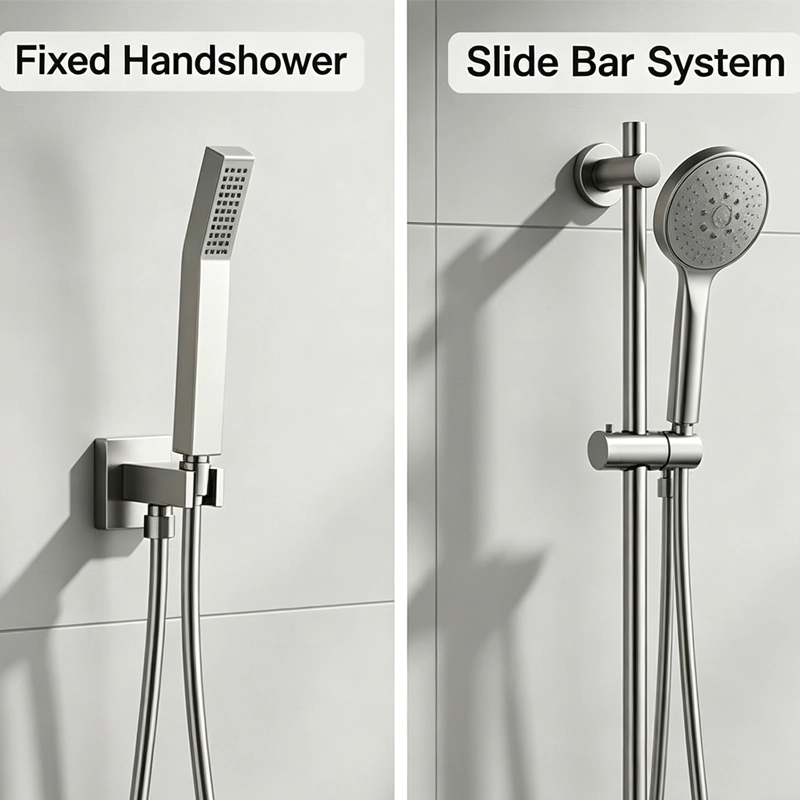
Adjustable shower riser rails improve usability for families, elderly users, and hospitality guests. This makes them ideal for both residential and commercial applications.
When paired with a handheld shower, a shower hand rail allows users to switch between fixed and handheld use easily, improving convenience and cleaning efficiency.
Proper positioning reduces stretching and bending, helping minimize slip risks—especially important in hotels and healthcare environments.
For brands, offering shower rails as part of a complete system increases SKU value and supports bundled sales strategies.
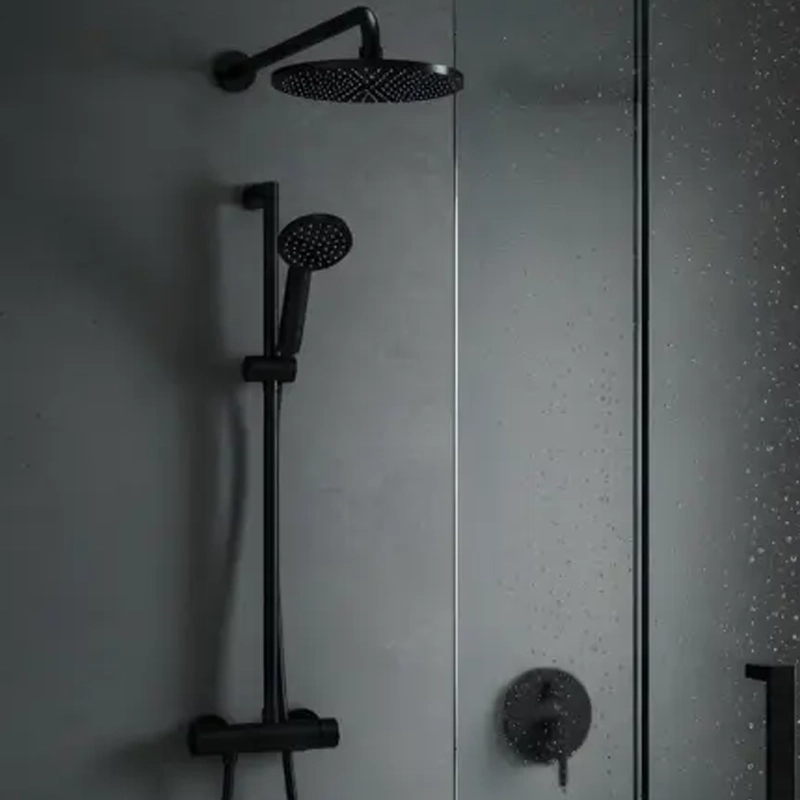
Proper installation ensures long-term performance and reduces after-sales issues.
Mounting Surface:
Secure installation requires stable backing (tile with anchors or wall studs). Metal shower riser systems should be firmly anchored for durability.
Height Planning:
Typical installation height ranges from 48–60 inches, but should be adjusted based on target users and market standards.
Hose Compatibility:
Ensure hose length matches the full travel range of the rail to avoid kinking or tension.
Waterproofing:
Use sealing materials around mounting points to prevent water intrusion.
For OEM projects, Jekare provides installation guidelines and design recommendations to reduce field issues.
A well-designed shower head rail should require minimal maintenance, but proper care extends product life:
From a factory perspective, material selection (such as stainless steel vs. plated brass) directly impacts maintenance requirements and product lifespan.
For B2B buyers, selecting the right shower riser rail involves more than appearance.
Key factors include:
At Jekare, we support:
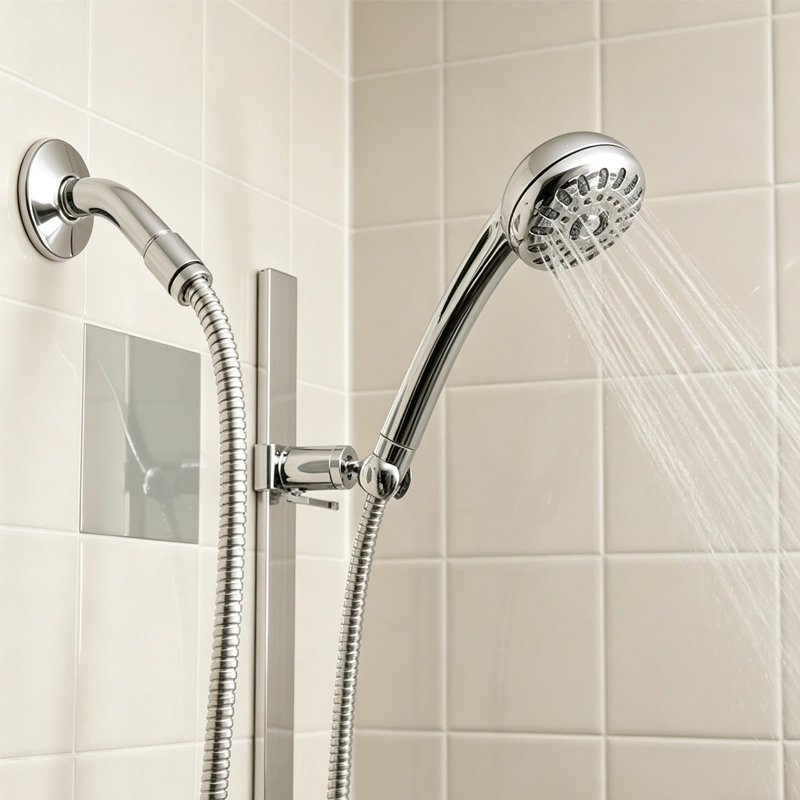
A well-engineered shower slide bar enhances usability, expands functionality, and adds measurable value to any shower system. For brands and project buyers, it is a practical upgrade that improves both user satisfaction and product competitiveness.
Jekare recommends our Sliding Bar for Shower Head, designed for durability, smooth adjustment, and long-term stability. This model offers optimized sliding performance, corrosion-resistant materials, and compatibility with a wide range of handheld shower heads. It is ideal for both residential and commercial applications.
With advanced manufacturing capabilities—including metal processing, precision assembly, and quality testing—Jekare delivers reliable OEM/ODM solutions. Our one-stop service covers design, sampling, production, and packaging, ensuring consistent quality from concept to shipment.
If you are planning to develop or upgrade your shower rails product line, what kind of performance, finish, and user experience are you aiming to deliver? Let’s discuss your requirements and build a solution that fits your market.
Most shower head rails are designed to fit standard handheld shower heads, but compatibility depends on holder diameter and connection type. Customization may be required for specific markets.
Stainless steel offers superior corrosion resistance, while brass provides durability and a premium feel. Engineered plastics are used for cost-effective models.
Yes, if properly designed and installed. High-quality shower riser systems are tested for load-bearing stability.
A shower hand rail is designed for holding a shower head, not for supporting body weight. Grab bars are safety devices and must meet different standards.
Yes. Jekare provides full OEM/ODM support, including custom length, finish, sliding mechanism, and branding options