
A well-designed shower system does more than deliver water — it defines the comfort, efficiency, and overall experience of a bathroom space. Whether you are developing a luxury hospitality project, sourcing products for a retail brand, or upgrading residential bathroom collections, understanding different types of shower faucets is essential for making the right specification decisions.
Across global markets, demand for high-performance shower faucets, premium bathroom faucets, and integrated shower solutions continues to grow as consumers prioritize water efficiency, durability, and modern aesthetics. From thermostatic mixer systems to smart digital controls, today’s shower technology has evolved far beyond traditional shower taps.
With more than 20 years of manufacturing experience, Jekare specializes in OEM/ODM bathroom hardware solutions for brands, wholesalers, distributors, and project contractors worldwide. Our factory develops precision-engineered shower systems, bathroom sink faucets, and custom tub faucet solutions that combine advanced hydraulic performance with scalable production capability.
This guide explores the major types of shower faucets, how they function, their advantages and limitations, and how to select the right solution for different applications.
Mixer showers remain one of the most widely used shower systems in modern bathrooms because they combine hot and cold water before delivery through the shower head.
These systems are commonly integrated into contemporary shower faucets and are widely used in hotels, apartments, villas, and commercial projects.
Mixer showers draw water directly from both hot and cold supply lines. Inside the valve body, a cartridge blends the water to achieve the desired temperature before it reaches the shower head.
Modern mixer systems may include:
High-end systems often pair mixer valves with rain shower heads, body jets, and handheld sprays.
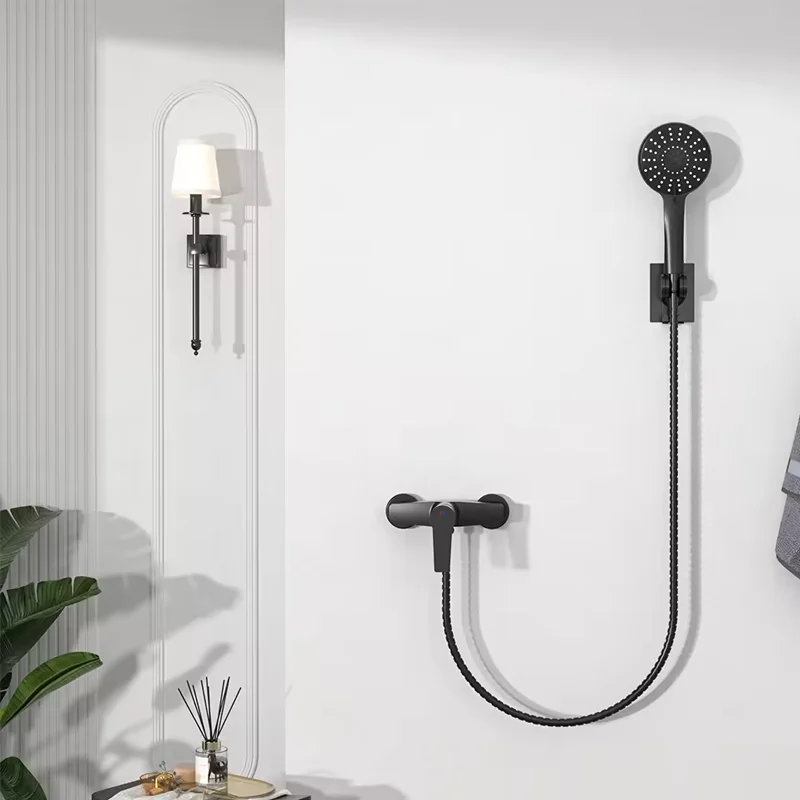
Thermostatic mixer systems maintain consistent temperature even when pressure fluctuates elsewhere in the building.
Mixer showers are compatible with concealed wall installations, rainfall shower systems, and luxury spa-style layouts.
Compared with electric showers, mixer showers generally provide stronger flow rates and more immersive shower coverage.
Manufacturers like Jekare can customize:
For premium projects, however, mixer showers remain the preferred solution due to their balance of performance and aesthetics.
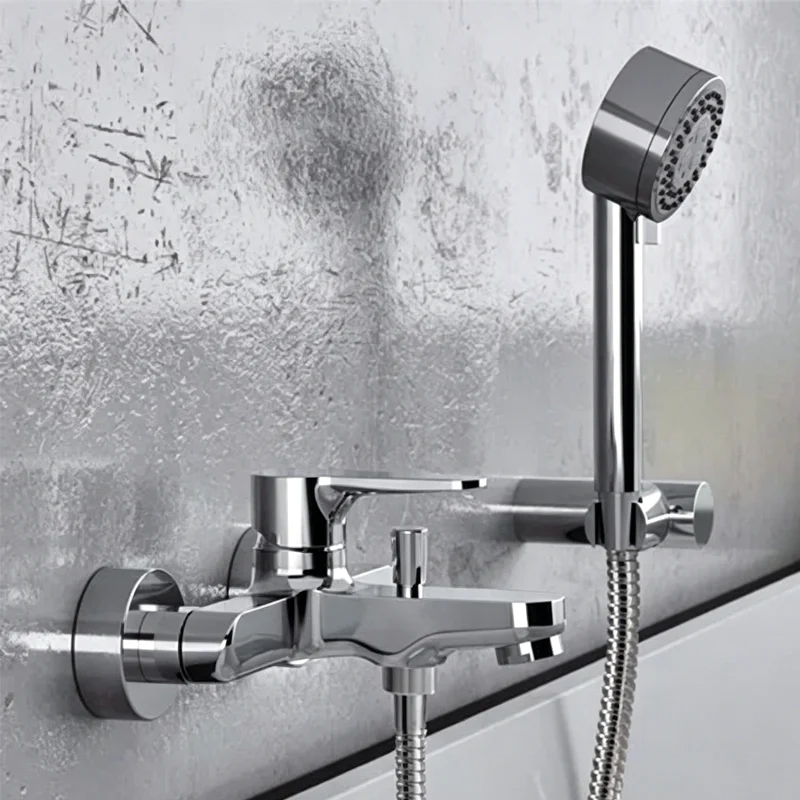
Electric showers heat water instantly using an internal heating element instead of relying on a centralized hot water system.
These systems are particularly common in regions with inconsistent hot water availability.
Cold water enters the unit and passes through an electric heating chamber. The temperature is adjusted electronically before water exits through the shower head.
Only the required amount of water is heated during use.
The system does not depend on a boiler or storage tank.
Electric shower systems work well in small apartments or renovation projects.
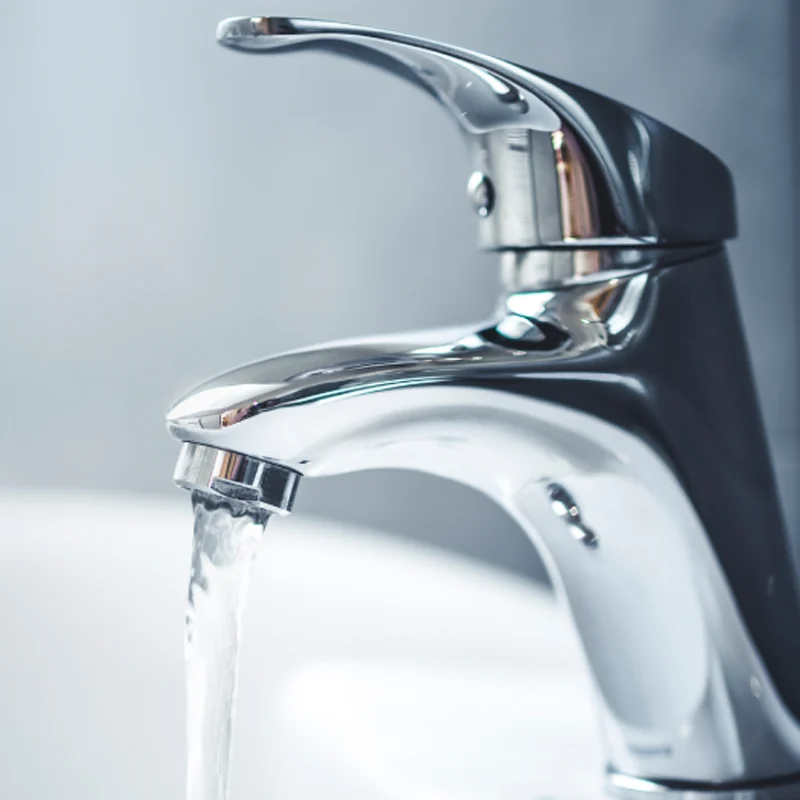
Many electric systems cannot achieve the flow performance of thermostatic mixer showers.
Electric showers are generally less common in premium hospitality and luxury residential markets.
Professional electrical setup is mandatory to meet safety regulations.
From a manufacturing perspective, electric shower systems also require stricter waterproof testing and electrical compliance certifications.
Power showers are designed to improve water flow in low-pressure plumbing systems.
They combine a mixer valve with an integrated pump to boost pressure.
Water from hot and cold supplies enters the shower valve. An internal pump increases flow pressure before delivery through the shower head.
Power showers create a stronger, more luxurious shower experience.
They work well in gravity-fed plumbing systems with weak pressure.
High-flow shower delivery improves rinsing efficiency and relaxation.
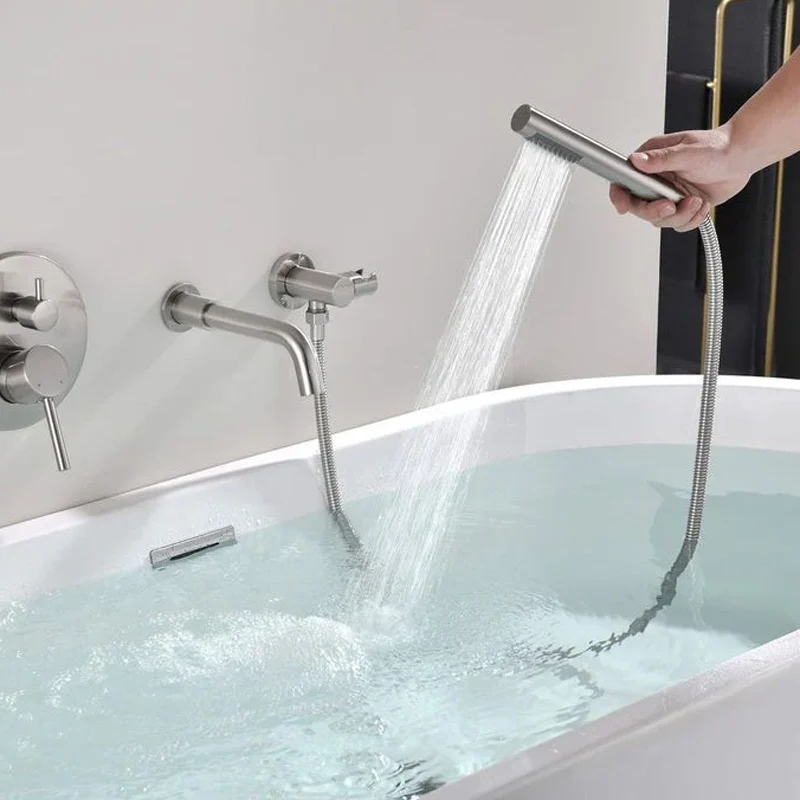
Power showers use more water than standard mixer systems.
The pump requires electrical power.
Additional moving components increase servicing requirements.
For OEM brands, power shower systems often target mid-to-high-end residential renovation markets.
Digital showers represent one of the fastest-growing innovations in modern bathroom technology.
These systems combine electronic controls with precision temperature regulation.
Digital systems use a control processor connected to electronic valves and sensors. Users can adjust:
Some systems also integrate voice control and LED indicators.
Digital calibration maintains highly accurate temperatures.
Preset shower modes enhance comfort and convenience.
Many systems integrate with mobile apps and smart home ecosystems.
Digital shower systems elevate product value for luxury bathroom collections.
Electronic components significantly increase manufacturing complexity.
Digital systems require professional setup and calibration.
Electronic failures require specialized servicing.
For manufacturers like Jekare, digital shower development involves hydraulic engineering, electronic testing, waterproof validation, and long-term durability analysis.
Choosing the right shower system depends on multiple technical and commercial factors.
The available plumbing infrastructure directly affects shower compatibility.
Understanding system compatibility prevents installation failures and warranty issues.
Bathroom design trends strongly influence faucet selection.
Modern projects often prefer:
Traditional projects may favor:
Jekare supports fully customized finish development for OEM bathroom collections.
Water pressure determines shower performance.
Low-pressure environments benefit from:
High-pressure systems require:
Proper hydraulic engineering ensures long-term reliability and user satisfaction.
For B2B buyers, shower faucet quality depends heavily on manufacturing processes and testing standards.
At Jekare, production involves:
Our OEM/ODM service supports:
This one-stop manufacturing capability helps brands accelerate product development while maintaining consistent quality control.
For brands seeking a reliable and modern shower solution, Jekare highly recommends our customized Stainless Steel Single Handle Shower Faucet Taps.
This product combines clean architectural styling with durable stainless steel construction, making it ideal for residential, hospitality, and commercial bathroom applications. The single-handle control design improves user convenience while maintaining stable temperature adjustment and smooth water flow. Compared with conventional plated products, stainless steel offers superior corrosion resistance, better long-term finish durability, and lower maintenance requirements.
From a B2B manufacturing perspective, this model supports flexible OEM/ODM customization, including:
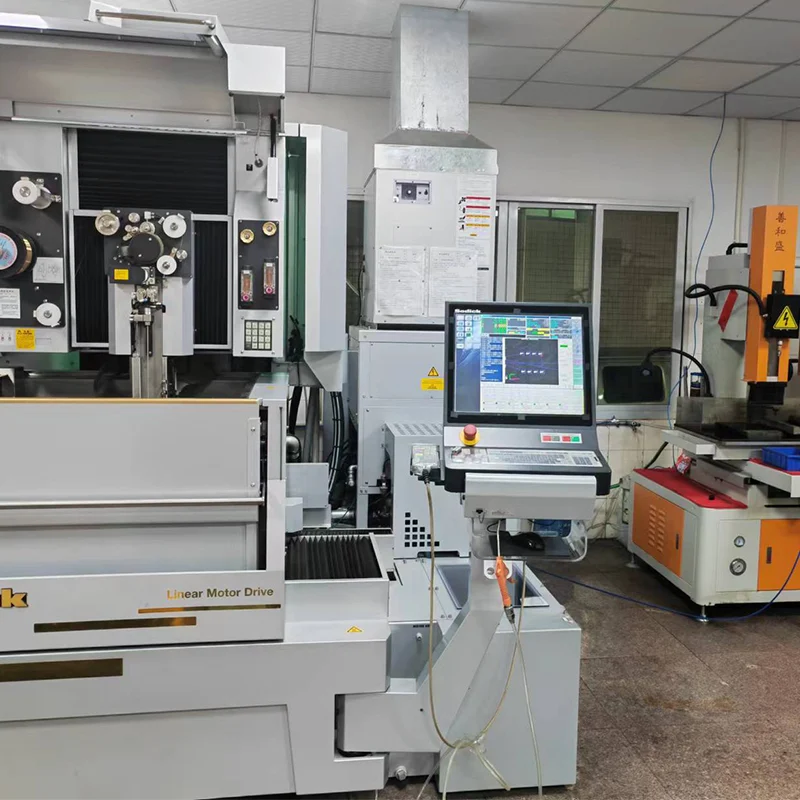
The faucet is manufactured using advanced CNC machining equipment and undergoes strict pressure, leakage, and corrosion testing before shipment. For distributors, wholesalers, and project developers, this solution provides an excellent balance of modern aesthetics, hydraulic performance, and long-term reliability.
Selecting the right manufacturing partner is just as important as choosing the right shower faucet design.
Jekare provides complete OEM/ODM bathroom hardware manufacturing solutions backed by over two decades of industry experience.
Our factory integrates:
Every product undergoes:
Our engineering team provides Design For Manufacturing (DFM) reviews to optimize:
We support:
Modern shower systems continue to evolve as consumers demand better comfort, smarter technology, and more durable materials. Whether you are sourcing thermostatic mixer showers, digital shower systems, or premium stainless steel shower faucets, understanding the differences between each system helps ensure better product decisions and stronger long-term performance.
For distributors, contractors, wholesalers, and bathroom brands, partnering with an experienced manufacturer is critical for balancing design, quality, and cost efficiency. Jekare delivers complete one-stop OEM/ODM manufacturing support for custom bathroom faucets, bathroom sink faucets, shower taps, and integrated shower systems tailored to global market demands.
If you are developing a new shower collection or looking for a dependable factory partner, our engineering and production teams are ready to support your next project.
Mixer showers are currently the most widely used because they provide stable temperature control, flexible installation options, and compatibility with modern bathroom designs.
For luxury residential and hospitality projects, digital showers offer premium user experience, accurate temperature control, and smart functionality that enhance product value.
Solid brass and stainless steel are the preferred materials for premium shower systems because of their durability, corrosion resistance, and finish longevity.
Water pressure directly affects flow quality and user comfort. Proper valve design and hydraulic engineering are essential for achieving consistent performance.
Yes. Jekare offers full OEM/ODM customization including product structure, finishes, logos, packaging, and integrated shower system development.