
At Jekare, we design and manufacture bathroom fixtures for brands, distributors, and project buyers who need products that are easy to install, consistent in quality, and reliable in everyday use. A shower head with hose may seem simple, but from a manufacturing perspective, it is a complete system. The head, hose, washers, threads, and connections must all work together to deliver stable flow, a secure seal, and a good user experience. That is why understanding shower hose replacement and shower head replacement is important not only for maintenance, but also for product sourcing and development.
A worn hose, a leaking connection, or an outdated spray design can affect the performance of the entire shower. In many cases, replacing the shower head and hose together is the most practical solution. It improves appearance, restores function, and gives the bathroom a cleaner, more modern feel. For B2B buyers, it also creates an opportunity to upgrade to a high pressure shower head with hose, a premium waterfall shower head, or even a wellness-oriented Aquacare shower head configuration depending on the target market.
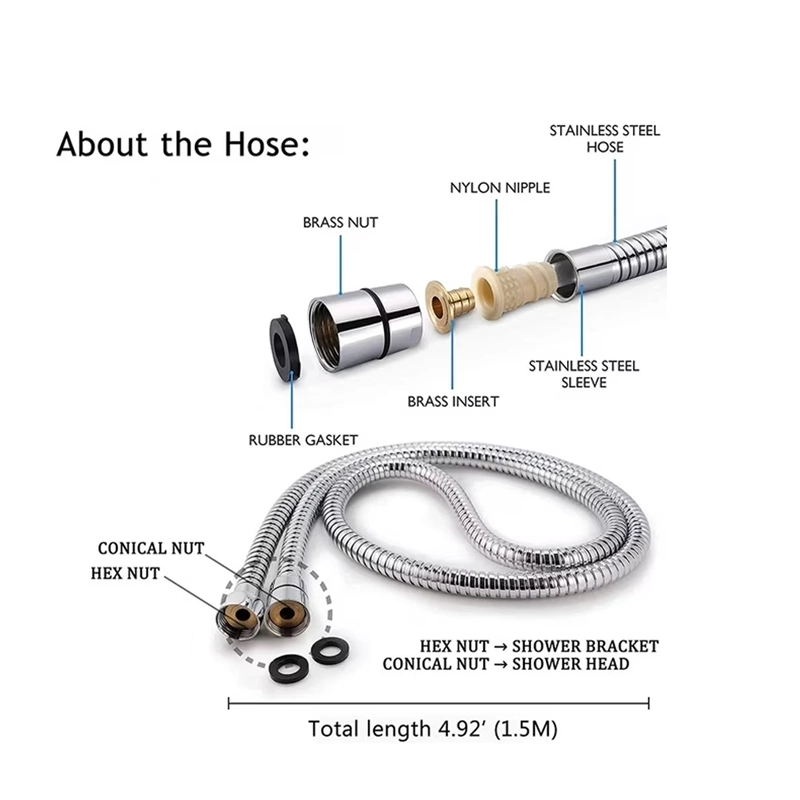
Before starting any replacement, it is important to confirm the thread type, hose length, connector size, and overall compatibility with the existing plumbing. Different markets and product lines may use different standards, so a replacement should always be checked carefully before installation.
From a factory point of view, this is where product consistency matters. A well-made shower system should have accurate thread machining, durable sealing washers, and a hose that resists kinking and wear. If the old shower head or hose has visible mineral buildup, corrosion, or reduced spray performance, replacement is usually the better choice than repair.
Basic tools usually include a soft cloth, adjustable wrench, plumber’s tape, and a replacement head and hose set. For chrome, matte black, or brushed finishes, protect the surface during removal to avoid scratches. For retail and project programs, this also reflects how customers will experience the product in real use: easy installation, clean finish, and dependable function.
Turn off the water and unscrew the hose from the shower arm or handheld bracket, depending on the design. In most cases, the hose will unscrew by hand, but a soft cloth can help if the connection is tight. Avoid forcing the fitting, because excessive pressure can damage the thread or the wall outlet.
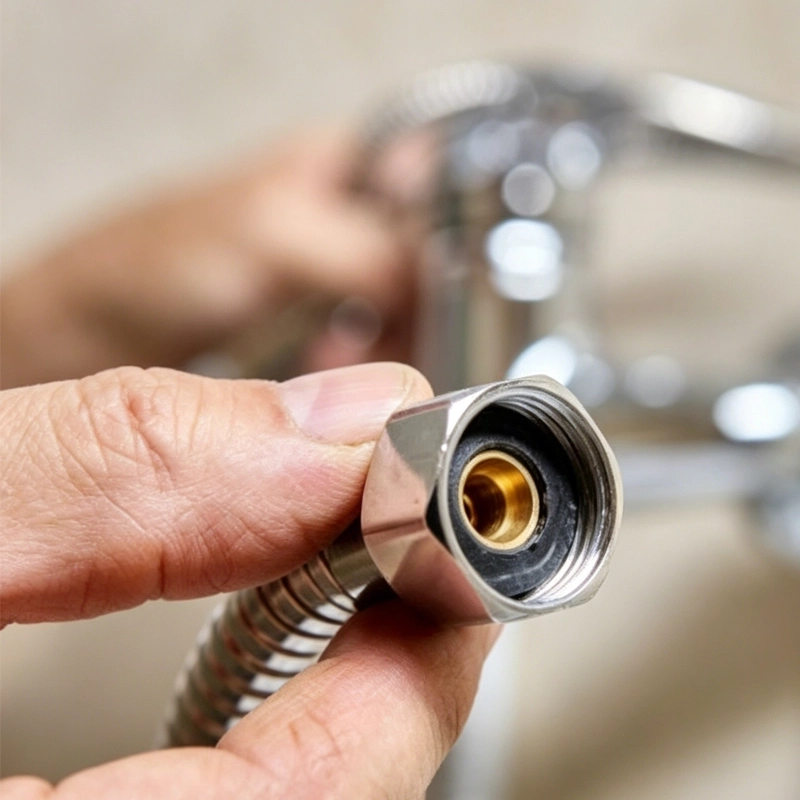
Once the hose is removed, check the rubber washer inside the connector. This small part plays a major role in sealing. If it is worn, flattened, or cracked, replace it before installing the new hose. A leaking washer can make even a high-quality product perform poorly.
For B2B buyers, this is one reason the internal components matter as much as the visible design. A strong product is not only about appearance. It is also about sealing performance, material durability, and long-term stability.
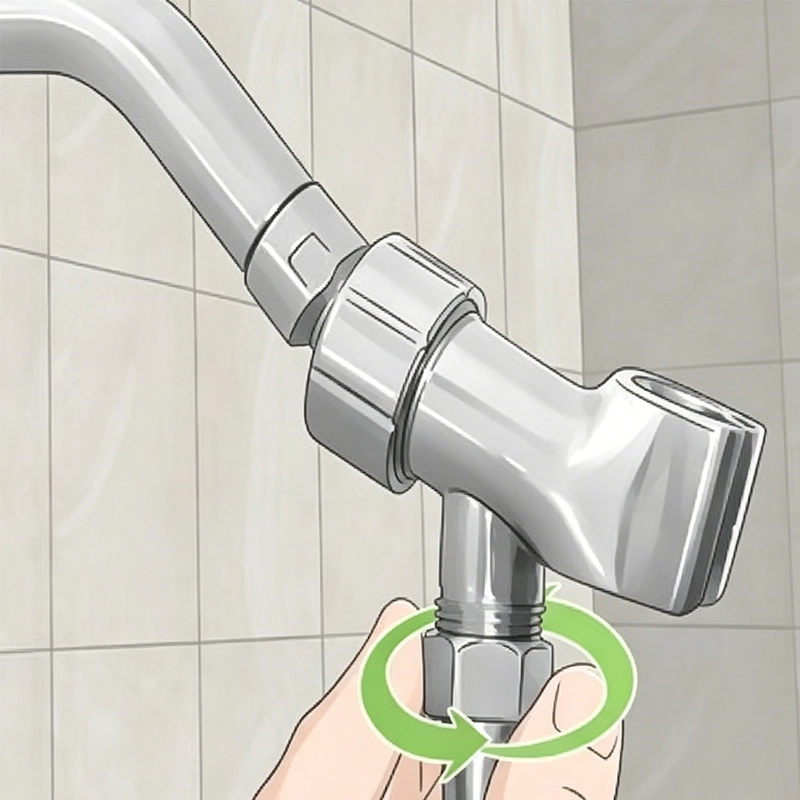
Unscrew the existing shower head from the hose or arm. If the fixture is stuck because of mineral deposits, wrap the fitting with a cloth before using light pressure. Once removed, clean the thread area and inspect the connection point for residue or wear.
Thread the new shower head onto the hose by hand first, then tighten gently if needed. Do not overtighten, because that can damage the washer or thread. After installation, turn the water on and check for leaks. A properly installed shower head should feel secure and deliver a stable spray pattern.
This is also the stage where product selection becomes important. A standard replacement head may be enough for basic use, but many buyers now prefer a more specialized solution. A waterfall shower head can provide a softer, broader spray feel, while a high pressure shower head with hose may be better for customers who want stronger rinsing and better everyday performance.
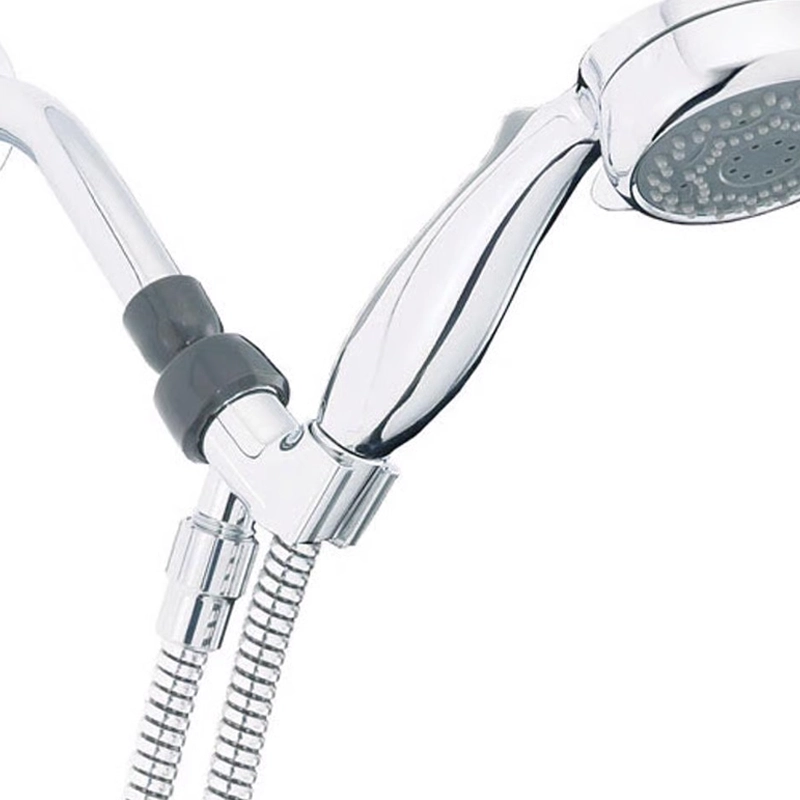
The new hose should match both the shower head connector and the wall or bracket fitting. Thread compatibility is critical. Even a high-quality hose will not perform properly if the connection is mismatched or poorly sealed.
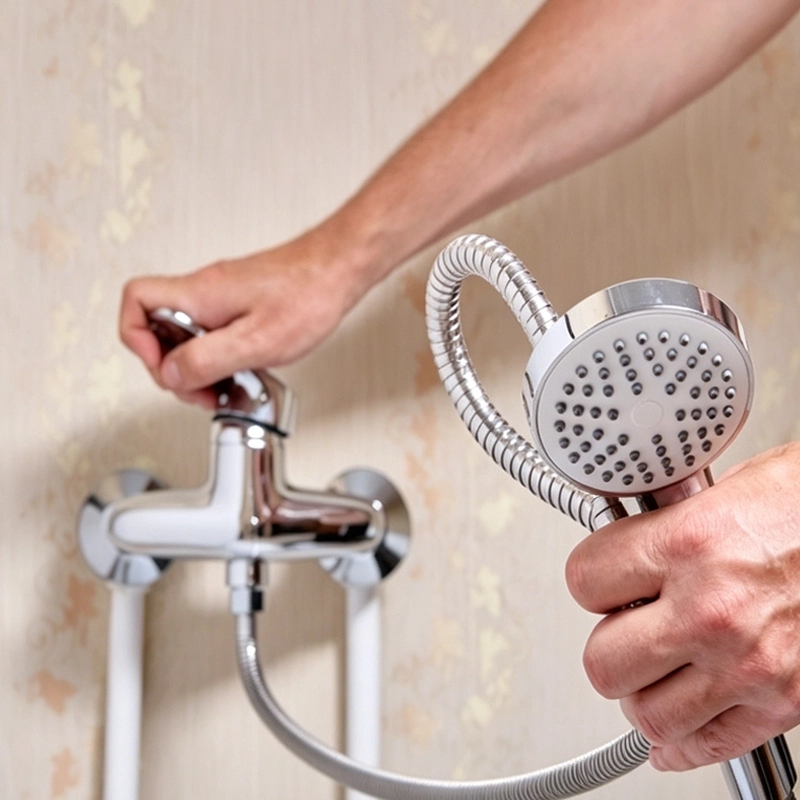
Once the new hose is connected, run water through the system and check all points for leakage. Pay attention to the hose ends, the head connection, and the wall side. A good shower hose replacement should feel smooth, flexible, and secure without twisting or pulling during use.
For OEM and private-label buyers, hose construction also matters. The inner tube, outer wrap, swivel nut, and sealing ring all affect the final quality. That is why manufacturers should treat the shower head and hose as one integrated system, not as separate parts.
If you are developing a shower product for retail, hospitality, or project use, the best replacement is often a custom one. At Jekare, we support custom development for different market needs, including flow rate, spray style, finish, hose length, and mounting compatibility.
For example, a waterfall shower head may be ideal for a spa-style bathroom collection. A high pressure shower head with hose may be more suitable for markets where users want stronger flow and better rinse performance. An Aquacare shower head style solution may fit programs that emphasize comfort, wellness, or a cleaner user experience. The right choice depends on the end customer, the target price point, and the overall bathroom concept.
At Jekare, we do more than supply replacement parts—we deliver complete, reliable shower solutions. Our systems are engineered for precise fit, stable performance, and easy installation, with a focus on:
We also recommend customizing our Self Cleaning Rain Shower Head With Handheld for upgraded product lines. This solution combines wide rain coverage with a flexible handheld function, improving both comfort and usability. Its self-cleaning nozzles help reduce limescale buildup, ensuring consistent spray performance and lower maintenance—especially in hard water markets.
For B2B buyers, this means better user experience, fewer after-sales issues, and stronger product competitiveness. Jekare supports your project from concept to mass production with dependable engineering and scalable manufacturing.
Replacing a shower head and hose is a straightforward job when the parts are compatible and the connections are properly sealed. For homeowners, it improves comfort and restores performance. For brands and project buyers, it is also an opportunity to upgrade the product experience with a better-engineered system.
At Jekare, we believe a good shower should be easy to install, reliable in daily use, and tailored to the market it serves. If you are planning a new shower head with hose project or need a custom shower hose replacement solution, what style and performance level do you want your next product to deliver?
A hose should be replaced if it leaks, twists easily, shows corrosion, or reduces water flow. In B2B sourcing, consistent hose quality is important for product reliability and fewer return claims.
Yes, but replacing them together often gives better compatibility and a cleaner final result. For project buyers, a matched set usually reduces installation issues and improves performance consistency.
Check thread size, connector type, hose length, spray style, finish, and sealing components. These details determine whether the product will install correctly and perform as expected in the target market.
Not always. It depends on local water pressure, user preference, and market expectations. A good manufacturer should be able to adjust the design to suit different regions and use cases.
Yes. Jekare supports OEM/ODM customization for shower head with hose projects, including different spray styles, finishes, hose specifications, and packaging requirements for B2B buyers.