
A loose, worn, or incompatible shower head holder can quickly affect both usability and product perception. For brands, distributors, and project buyers, replacing or upgrading a holder is not just a maintenance task—it is part of ensuring installation compatibility, structural reliability, and a consistent user experience. Whether you are working with a hand shower holder on a sliding rail or a fixed shower head bracket, understanding the correct removal and replacement process helps avoid damage, reduce installation time, and improve overall product performance.
From a manufacturing perspective, a shower holder is a precision component. It must align with the rail diameter, maintain stable clamping force, and support repeated adjustments without loosening. That is why proper handling during removal and installation is essential.
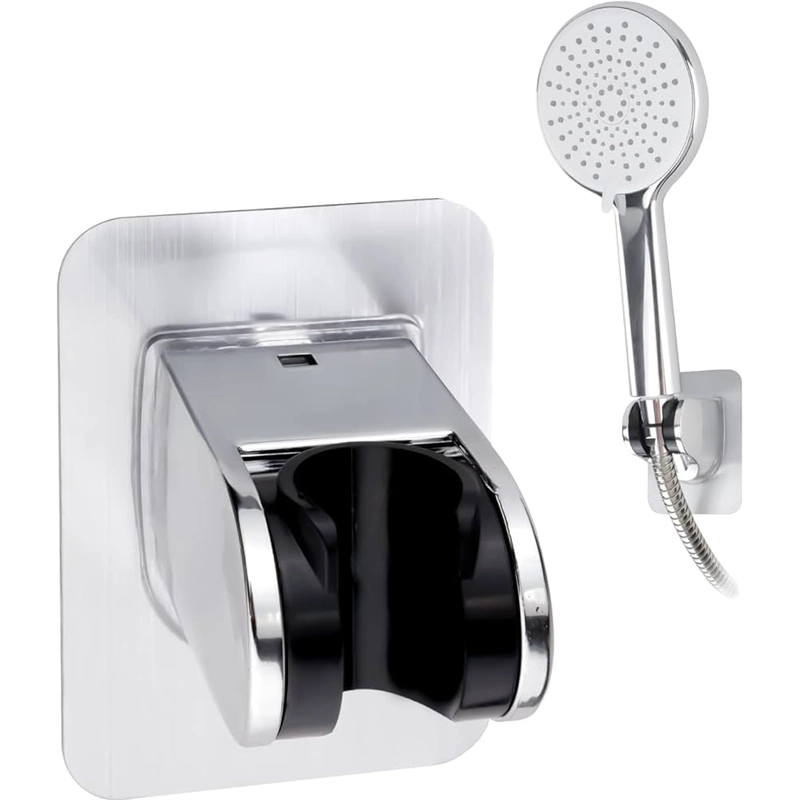
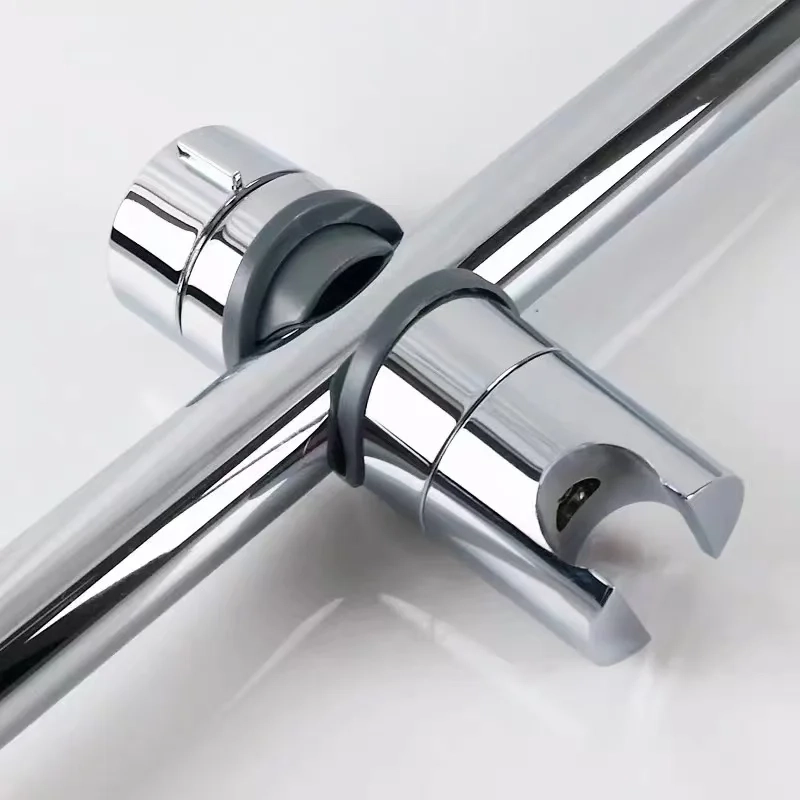
Before removing the holder, it is important to identify its structure. The most common types include:
Each type requires a slightly different removal method. For example, a shower head holder suction model can usually be detached without tools, while a rail-mounted shower hose holder often involves screws or internal locking mechanisms.
For OEM/ODM projects, understanding these structures is also critical during product development, as different markets prefer different installation styles.
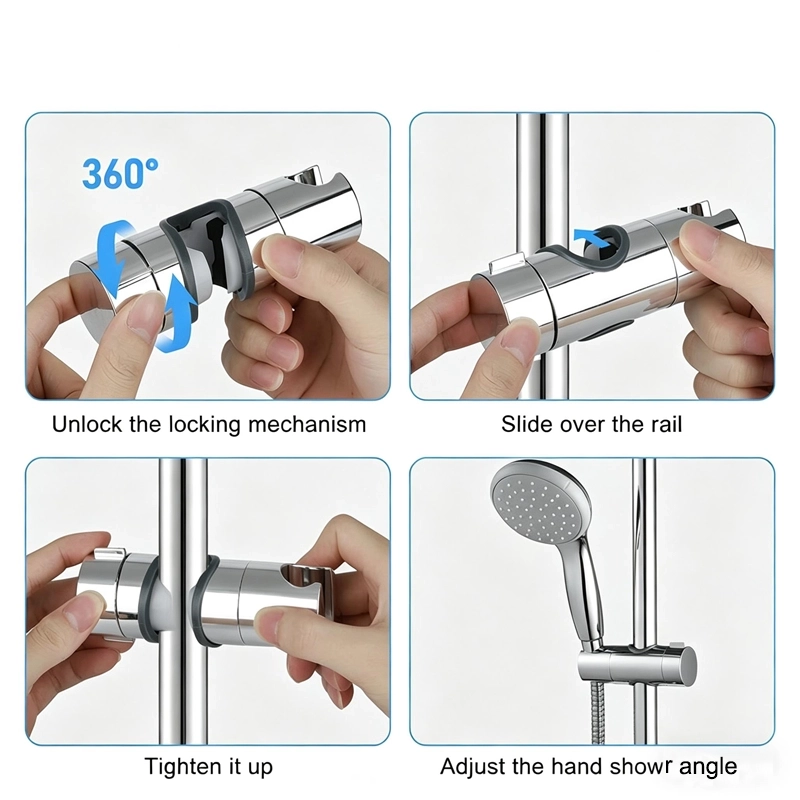
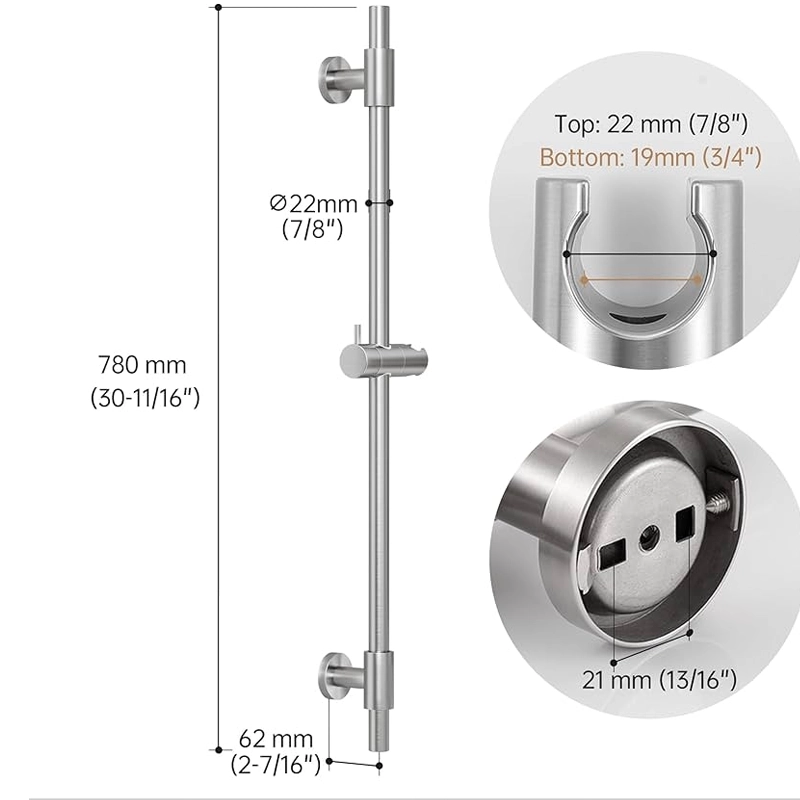
Accurate measurement is essential before replacing a holder. The rail diameter (commonly 18mm, 22mm, or 25mm) determines compatibility. Even a small mismatch can cause instability or installation failure.
For manufacturers, this highlights the importance of tight tolerance control. A high-quality shower head bracket should match the rail precisely while allowing smooth vertical adjustment.
Material selection directly affects durability, appearance, and long-term performance. Common options include:
For B2B buyers, material choice should align with product positioning. A premium bathroom collection may require reinforced structures, while a value line may prioritize cost efficiency without compromising functionality.
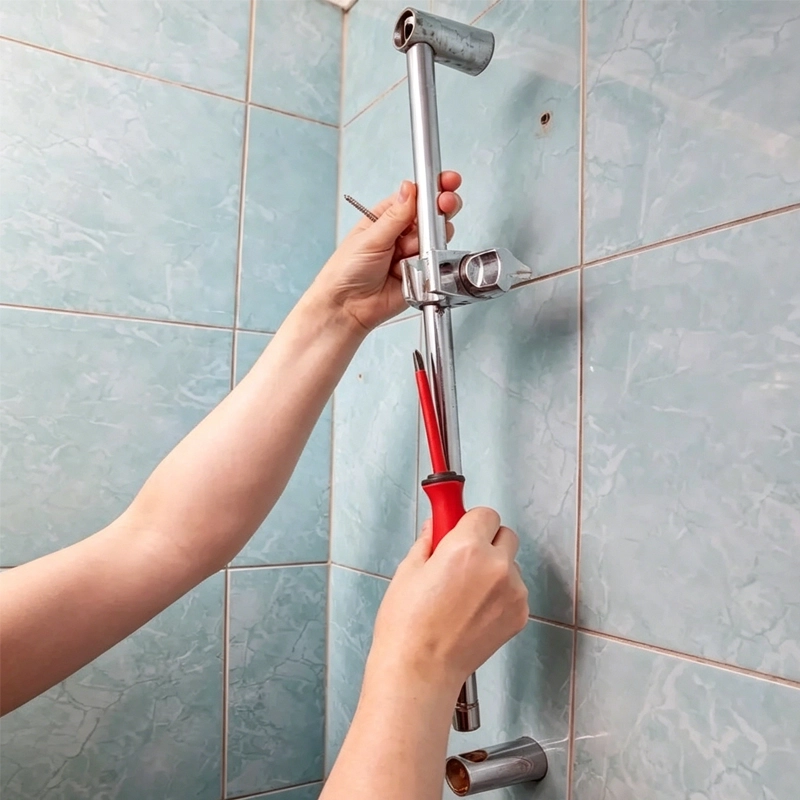
Replacing a rail-mounted holder requires careful handling to avoid damaging the rail or surrounding surfaces.
Place a cloth or protective layer over the shower tray to prevent scratches or dropped parts.
Most slider holders have a concealed screw or clip. Remove any cover caps to access the internal fixing point.
Depending on the design, you may need to loosen the rail from one end to slide the holder off. Some modern designs allow direct removal without fully disassembling the rail.
Remove the old unit and position the new hand shower holder onto the rail, ensuring correct orientation and alignment.
Reinstall the rail if needed, tighten all connections, and test the holder for smooth movement and stable grip.
From a product design standpoint, ease of installation is a key value point. A well-engineered holder should minimize steps and reduce installation errors.
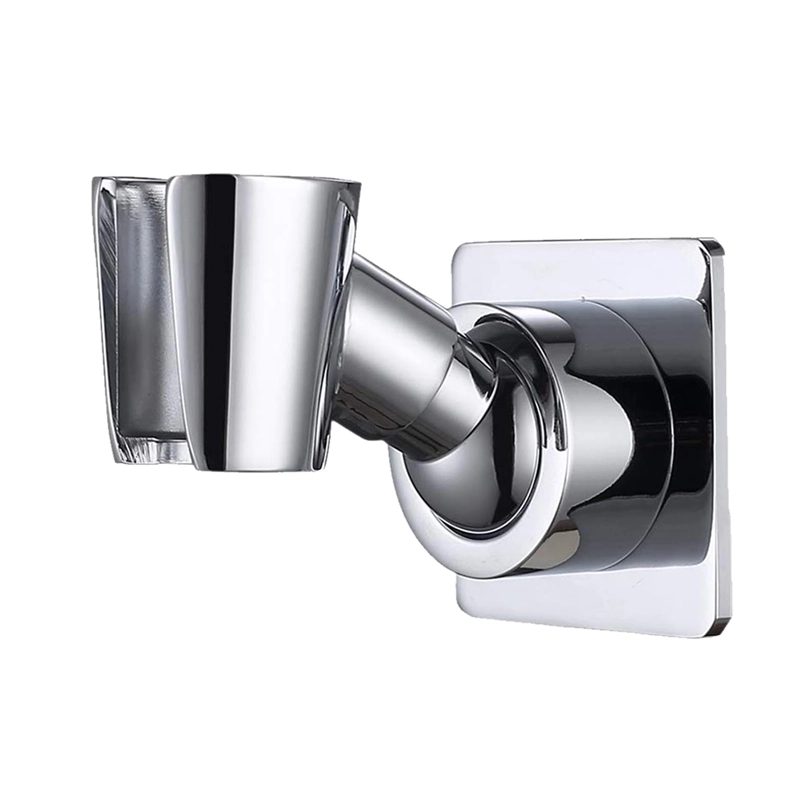
Wall-mounted shower head holder solutions are simpler but still require attention to detail.
For project buyers, no-drill solutions are increasingly popular in rental and hospitality markets due to their flexibility and ease of installation.
After installation, check for:
Regular inspection and proper material selection can significantly extend product lifespan. For manufacturers, this reinforces the importance of durability testing and quality control during production.
Selecting the right manufacturing partner is critical for developing a reliable shower head holder product line. Beyond standard replacements, customization allows brands to align with specific market needs, installation standards, and design preferences.
At Jekare, we recommend our Detachable Shower Head Holder Wall Bracket as a flexible and market-ready solution. This product is designed for easy installation, stable support, and long-term durability across different usage environments.
Key benefits include:
From a manufacturing perspective, Jekare supports full OEM/ODM development, including custom dimensions, materials, finishes, and branding. Our production capabilities include precision plastic injection molding, metal component processing, and advanced testing systems for load-bearing performance, durability, and surface quality.
For B2B buyers, this ensures consistent product quality, reliable supply, and the ability to scale across different markets and applications.
Removing and replacing a shower head holder is a straightforward process when the correct type, size, and installation method are understood. However, from a professional manufacturing perspective, the real value lies in selecting a product that offers stable performance, easy installation, and long-term durability.
A well-designed shower head bracket or shower hose holder not only improves daily usability but also enhances the overall perception of the bathroom system. With the right engineering and manufacturing support, even a small component can deliver significant value.
Jekare continues to support brands and buyers with customized solutions and reliable production. If you are developing a new shower accessory line, what kind of functionality and durability do you want your hand shower holder to deliver? Let’s discuss how we can support your next project.
Measure the rail diameter and compare it with the holder specification. Even small differences can affect stability and installation.
Some modern designs allow direct replacement, but many require partial rail disassembly. It depends on the holder structure.
They can be reliable on smooth surfaces, but performance depends on material quality and installation conditions.
Engineering plastics and reinforced materials offer a good balance of strength, durability, and cost efficiency for most applications.
Yes, Jekare offers OEM/ODM services, including custom sizing, materials, finishes, and structural design to meet different market requirements.