
At Jekare, we design and manufacture shower solutions for brands, wholesalers, and project buyers who care about performance, compliance, and user experience. One of the most common questions we hear is whether a shower head can be modified for stronger flow. The answer is yes, in many cases the flow restrictor can be removed, but the decision should be made carefully. It can change water pressure, water consumption, spray feel, and even warranty coverage.
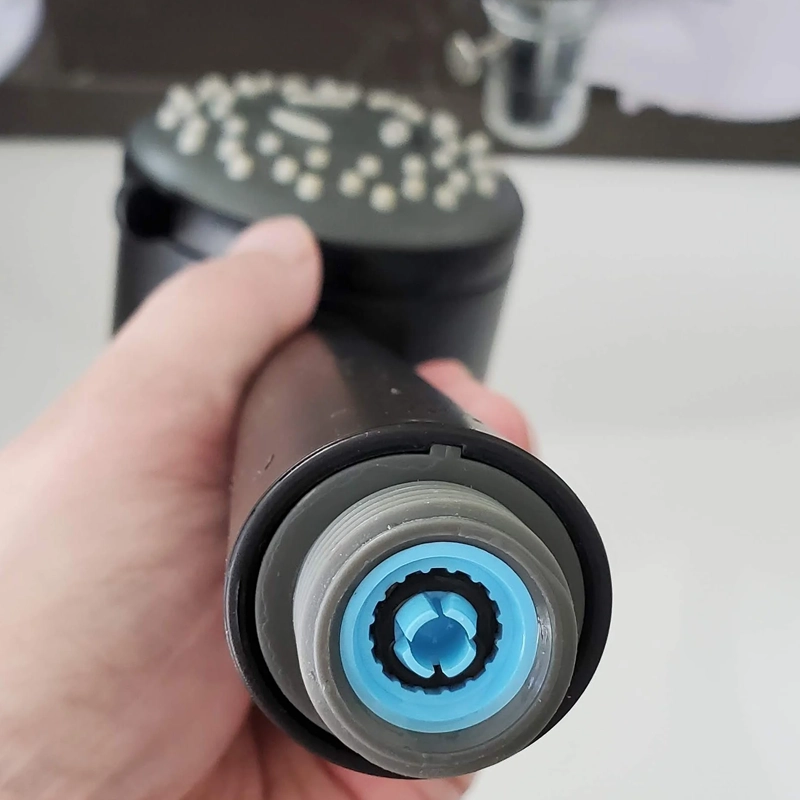
A flow restrictor is a small insert inside the shower head or hose connection that limits how much water passes through the fixture. Manufacturers use it to control gallons per minute, improve water savings, and align the product with regional regulations. In factory production, this component is selected based on target flow rate, spray design, and market requirements.
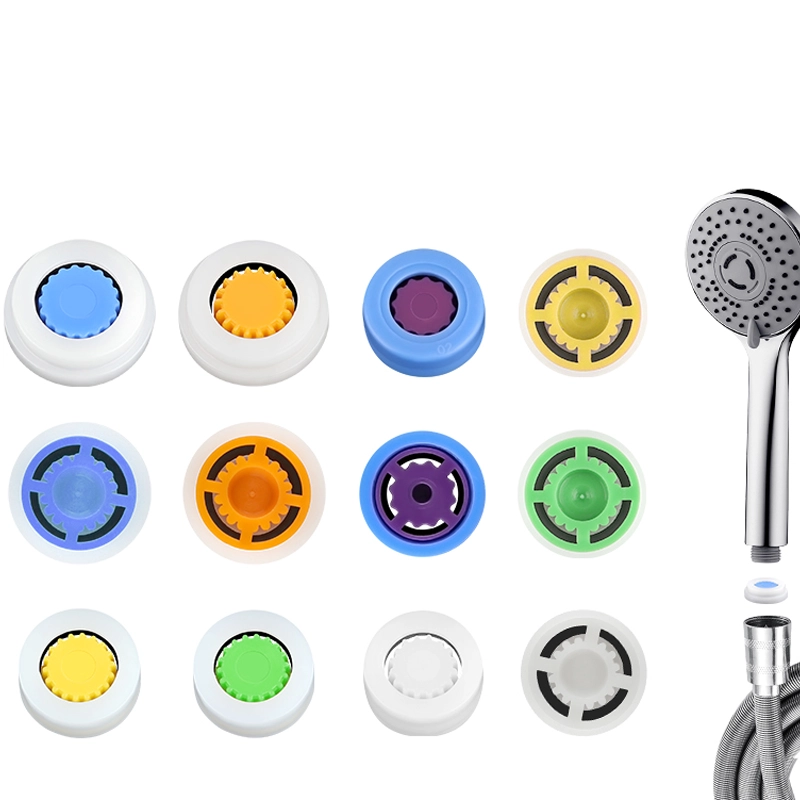
The restrictor narrows the internal water path so less water can pass through at one time. That does not always mean the spray feels weak. A well-engineered shower head can still deliver a satisfying shower by balancing water volume, hole pattern, spray angle, and internal pressure compensation. That is why high-quality products from a professional manufacturer can feel better than low-grade models even at the same flow rating.
Not always. The flow rate depends on the insert design, local water pressure, and the shower head structure. Some restrictors are set for specific standards, while others are paired with aeration or spray-plate engineering to create a stronger feel at lower flow. In manufacturing, this is a critical design choice because the same shower head can perform very differently in different regions.
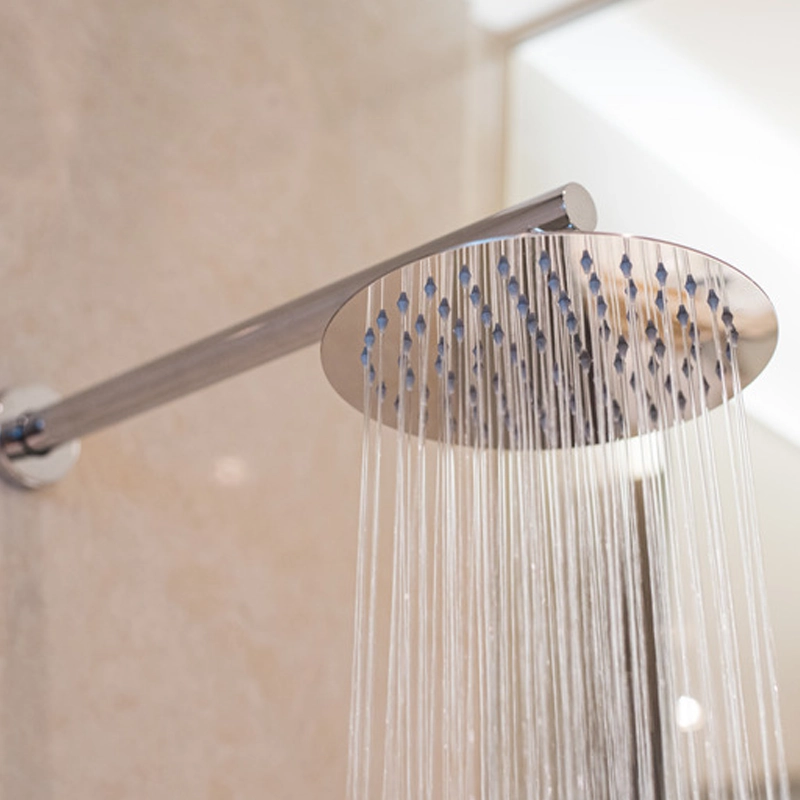
Many users consider removing the restrictor when they want more forceful water delivery, especially if their home already has low pressure. Others want to improve the experience of a rain shower head, where a softer spray may feel too gentle after restriction. In some cases, users with a double shower head setup or a shower head with handheld want more output for rinsing hair, washing pets, or cleaning the shower area.
That said, removing the restrictor is not always the best solution. If the shower system is already well designed, a better shower head model, a different spray face, or an optimized valve may deliver better results without altering the product.
This depends on where you live. In some places, removing or altering a flow restrictor may violate local plumbing, water-efficiency, or building codes. In commercial settings such as hotels, apartments, or project installations, it may also void compliance requirements or warranty terms.
From a manufacturer’s perspective, this is why product selection matters. A homeowner may be focused on stronger spray, but a project buyer must also consider standards, liability, and long-term service issues. Before modifying any shower head, check the local rules and product warranty terms.
If you decide to proceed, work carefully and only on a fixture you own. Different shower heads are built differently, so the exact location of the restrictor may vary.
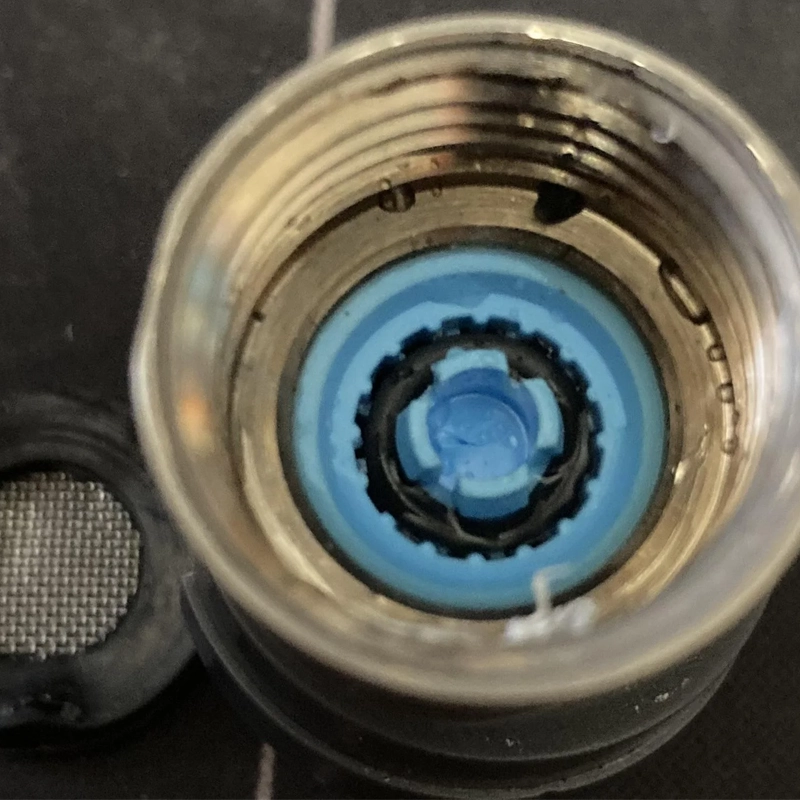
You may need a towel, pliers, a small flat tool, an Allen key, and plumber’s tape for reassembly. In some models, the restrictor is hidden behind the filter screen or inside the hose connection. For premium fixtures such as an adjustable shower head or a multi-function shower head with handheld, the internal structure may be more complex.
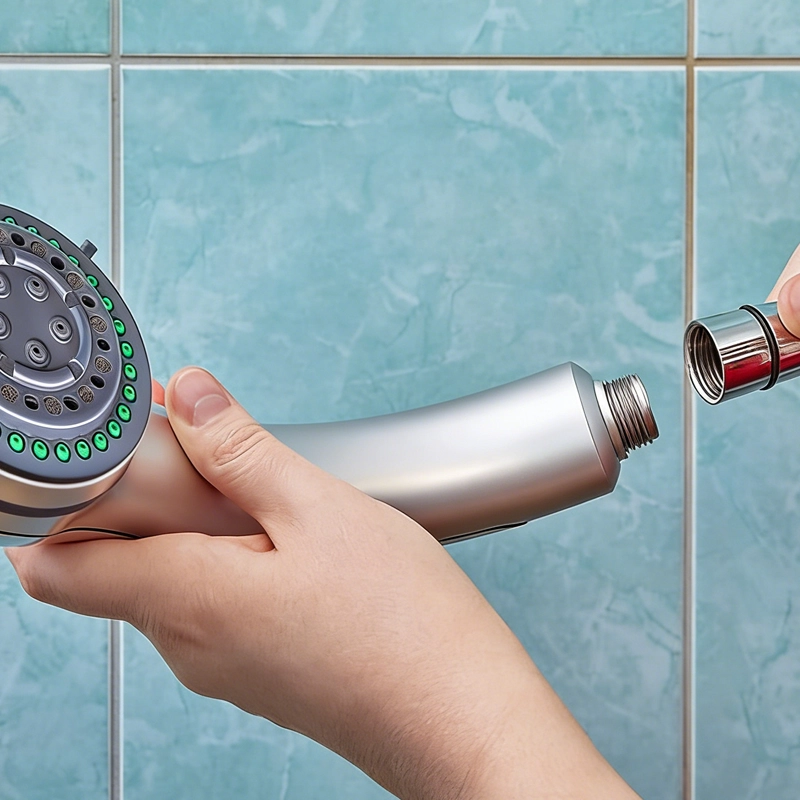
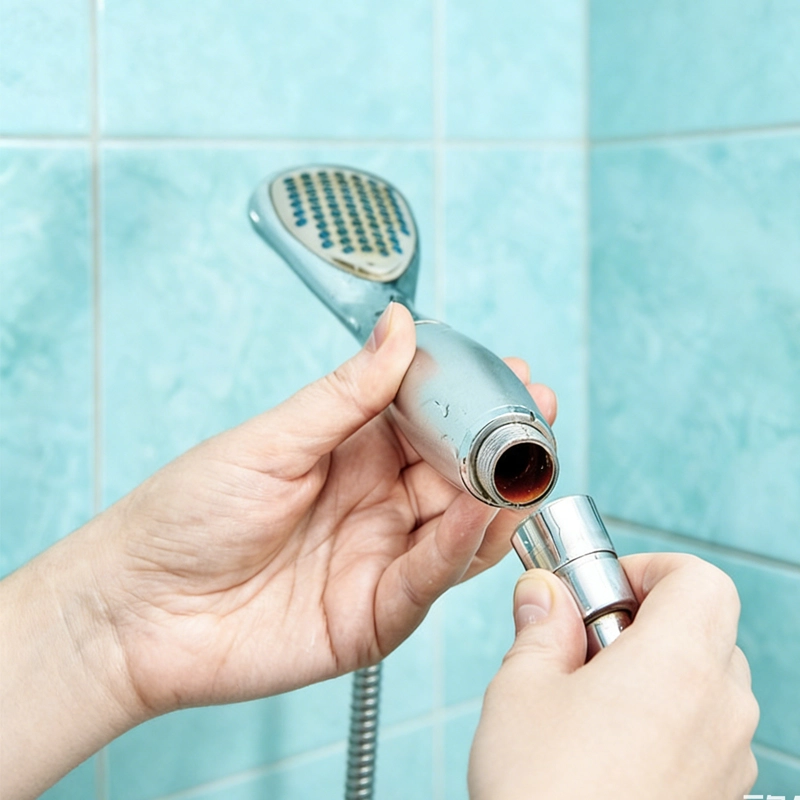
Start by turning off the water and unscrewing the shower head carefully. Inspect the inlet connection and look for a small plastic or rubber insert, sometimes with a colored ring or screen holder. Remove the insert gently without scratching the sealing surface. Reassemble the shower head, check the gasket position, and test for leaks.
If the shower head uses a hose, the restrictor may be located in the hose end rather than the head body. On a double shower head system, one or both outlets may have separate restrictors, so inspect each connection individually.
Removing the restrictor can change more than just water output. It affects the entire shower experience.
Before removing anything, it is worth asking whether the root issue is really the restrictor.
If the home has low pressure, the problem may come from plumbing, pipe size, or a valve issue rather than the shower head itself. In that case, removing the restrictor may help only slightly.
For many households and commercial projects, water efficiency is a priority. A properly designed low-flow product can provide a comfortable shower while reducing waste.
A filtered showerhead may naturally have more resistance because water passes through filtering media and internal chambers. Removing the restrictor may not solve the issue if the filter is the main source of pressure loss.
Comfort matters most. Some people prefer a softer, rain-style experience, while others want a more powerful rinse. The right choice depends on the bathroom design, the user, and the market requirements.
At Jekare, we often recommend choosing the right product architecture first. In many cases, a better nozzle design, improved internal water path, or a more suitable spray plate can deliver the feel customers want without modifying the fixture after purchase.
Jekare is a trusted bathroom fixture manufacturer focused on delivering consistent quality, precision engineering, and reliable performance for global brands and project buyers. We combine strong manufacturing capabilities with OEM/ODM expertise to develop shower head solutions tailored to different markets, regulations, and user preferences. Our products are engineered for real-world performance, with optimized internal water flow design, balanced spray patterns, and durable construction that ensures long-term use. By emphasizing installation compatibility, compliance standards, and efficient production processes, Jekare helps customers reduce risk, improve product value, and bring competitive, high-performance shower head solutions to market with confidence.
Removing a flow restrictor from a shower head can increase flow, but it should never be treated as a one-size-fits-all solution. The best approach depends on water pressure, local regulations, fixture type, and comfort expectations. For a rain shower head, double shower head, shower head with handheld, or adjustable shower head, the right design can often solve the problem more effectively than a post-installation modification.
As a professional bathroom fixture manufacturer, Jekare believes shower performance should be engineered from the start. If you are developing a new shower product or need a custom solution for your market, we would be glad to help you find the right balance between spray feel, water efficiency, and compliance. What kind of shower experience are you trying to create in your next project?
Yes. Jekare can support customized flow control solutions based on your market, target flow rate, and shower design.
It depends on local regulations and product standards. Always check the rules in your area before modifying a shower head.
Water flow usually increases, but so can water usage, splash, and the risk of losing compliance or warranty coverage.
Most restrictors are located near the inlet connection, behind a screen, or inside the hose fitting.
In many cases, yes, if the part is not damaged and you kept it safe during removal.
It can, if the parts are scratched, forced, or reassembled incorrectly. Careful handling is important.