
Our company manufacture bathroom products with one goal in mind: precise fit, reliable quality, and easy installation for every market we serve. A toilet seat may look simple, but in professional manufacturing, the correct size is critical. If the dimensions are wrong, even a well-made bathroom toilet seat will feel unstable, look mismatched, or create installation problems. That is why knowing how to measure a toilet seat is essential before ordering a replacement, selecting toilet seat covers, or developing a custom product through an experienced manufacturer and factory partner with proven OEM service.
Measuring a toilet seat is not difficult, but it must be done carefully. The correct seat depends on the bowl shape, length, width, and bolt-hole spacing. These dimensions determine whether the seat will fit securely and align properly with the toilet. For brands, distributors, and project buyers, accurate measurement also helps reduce returns and installation complaints. A standard-looking toilet may still require a specific seat profile, especially when designing premium products such as a soft close toilet seat, a specialty toilet lid, or a custom round toilet seat for a defined market.
The first step is to identify the toilet bowl shape. This matters because seat shape affects comfort, visual alignment, and compatibility. The most common shapes are round, elongated, D-shaped, and square.
A round toilet seat is shorter and typically used in compact bathrooms or older residential layouts. Elongated seats are longer and often preferred in modern residential and commercial settings. D-shaped and square seats are more common in contemporary designs and require more exact matching. If the seat shape is wrong, the lid may overhang or sit unevenly, even if the bolt spacing is correct.
For manufacturers like Jekare, shape accuracy is one of the most important parts of product development. A professional factory should always consider how the seat shape interacts with the bowl contour, hinge position, and lid alignment.
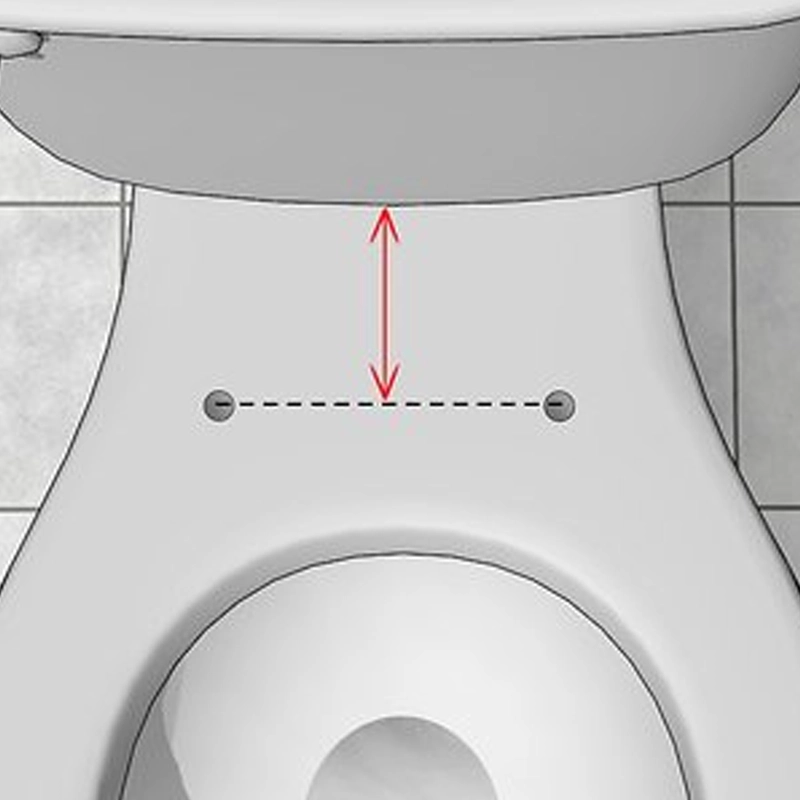
Measure from the center of the bolt holes to the front edge of the bowl. This is the most reliable way to determine whether the toilet is round or elongated. In most cases, round bowls are shorter, while elongated bowls extend farther forward.
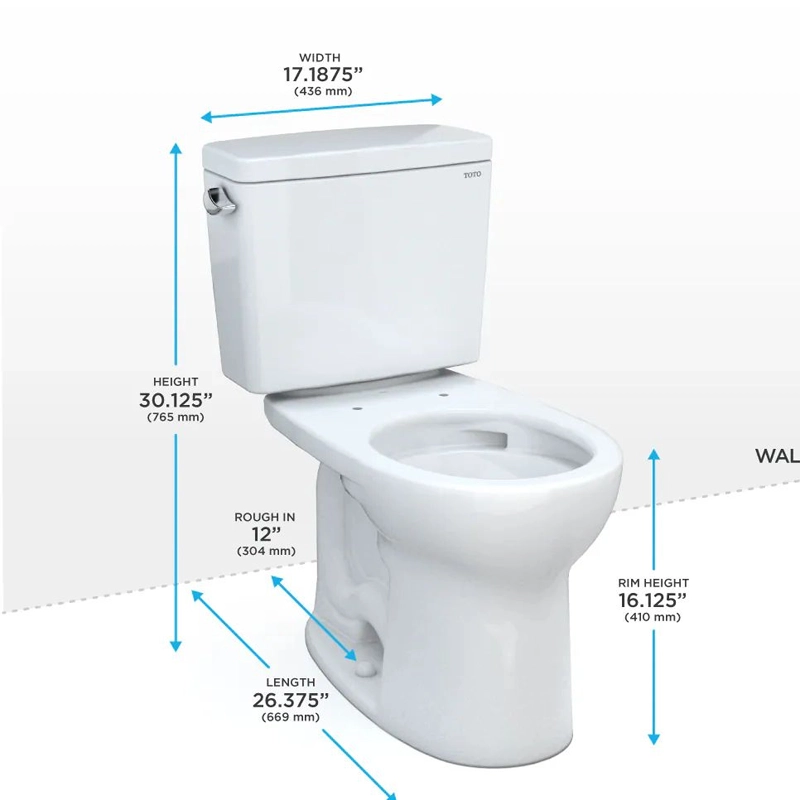
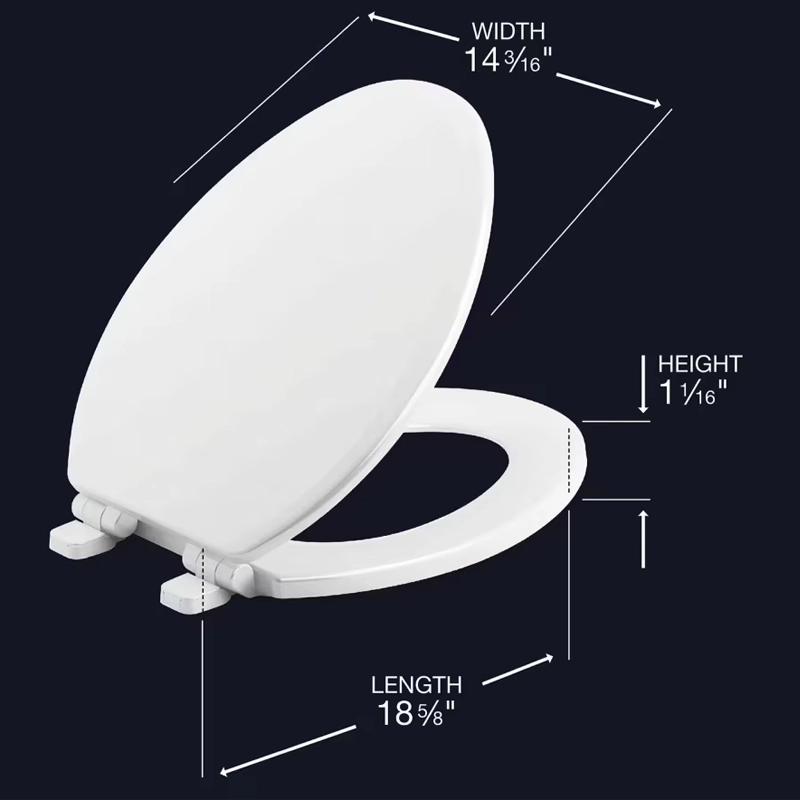
Length is one of the most important dimensions in toilet seat selection because even a small difference can affect fit. A seat that is too short will leave gaps, while a seat that is too long may overhang the bowl. That can affect both appearance and user comfort.
Next, measure the widest part of the bowl from side to side. Width helps confirm the proper fit and ensures the seat will sit evenly on the rim. This is especially important for a bathroom toilet seat used in commercial or project installations, where consistency across multiple units matters.
When developing products, width also influences mold design and hinge placement. A reliable manufacturer will use accurate width specifications to avoid fit issues across different toilet models and export markets.
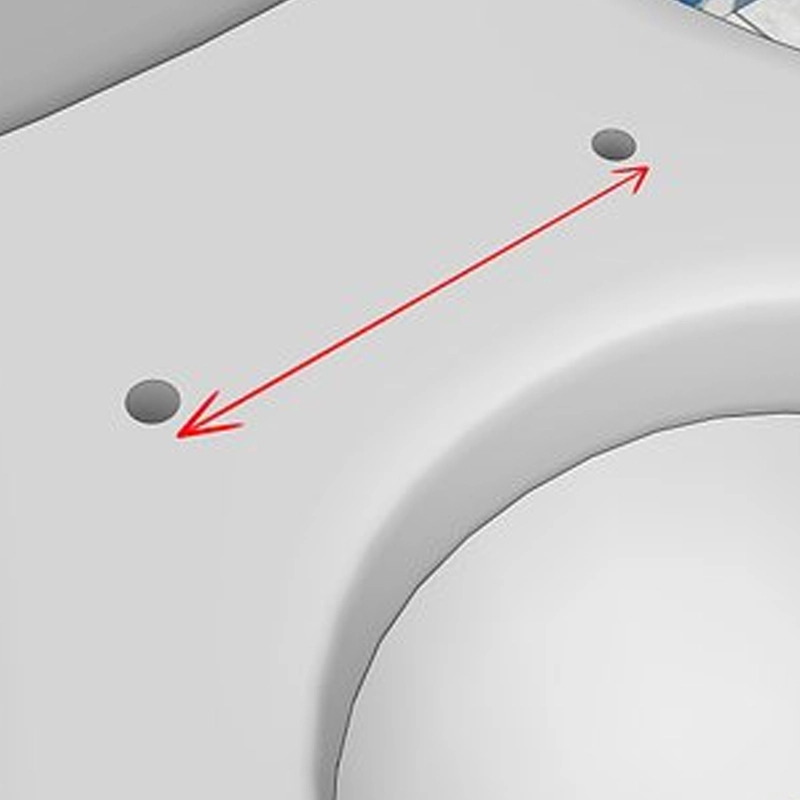
The bolt hole distance is the spacing between the two mounting holes at the back of the toilet bowl. This measurement is essential because it determines whether the seat hardware will line up correctly.
Standard spacing is common in many markets, but not every toilet follows the same pattern. For OEM buyers, this is a key technical detail. A seat may look compatible but still fail during installation if the bolt-hole spacing is off by even a small amount. That is why Jekare treats mounting compatibility as part of the overall product engineering process, not just a finishing step.
Some toilet bowls do not follow the standard round or elongated profile. These specialty shapes require closer measurement and often custom tooling. For example, D-shaped and square toilets are used in modern bathrooms where design consistency is important.
D-shaped and square seats are popular in contemporary bathroom collections because they create a cleaner, more architectural look. They also require precise contour control. A matching toilet lid should align smoothly with the bowl edges without shifting or leaving visible gaps.
For buyers developing a product line, these shapes are a good example of why OEM service matters. A professional partner can match the shape, hinge position, and lid profile so the final product feels intentional and well engineered.
Measure from the correct reference points, not just from the outer rim. Use a rigid tape measure for better precision. Always check length, width, and bolt spacing together instead of relying on one dimension alone. If the toilet has an unusual contour, take extra time to compare it with the seat profile before ordering.
It is also smart to inspect the existing seat hinges and hardware. Worn or misaligned hardware can make a perfectly sized replacement appear incorrect. For product development teams, this is one reason why a good factory should provide sample verification before mass production.
A correct measurement is only the beginning. Proper installation ensures the seat feels stable and lasts longer.
First, align the hinges carefully before tightening. Second, avoid overtightening the bolts, since this can crack plastic hardware or distort the seat base. Third, test the lid motion several times after installation so you can confirm smooth operation. This is especially important for a soft close toilet seat, where the closing mechanism must move evenly and without resistance.
For commercial or retail programs, installation consistency is part of product quality. A well-designed seat should not only fit the bowl but also install quickly and remain stable after repeated use.
Testing and confirming the correct toilet seat size is essential before production, sourcing, or installation. A properly matched seat ensures stable performance, accurate alignment, and a better user experience. When a toilet seat is manufactured with minimal dimensional error, it fits the bowl more securely, reduces movement during use, and creates a cleaner overall appearance. For B2B buyers, this is especially important because even a small size mismatch can lead to installation problems, product returns, and customer complaints.In manufacturing, a toilet seat with excessive dimensional deviation can cause serious issues. If the bowl shape, length, width, or bolt-hole spacing is not controlled accurately, the seat may sit unevenly, leave visible gaps, or fail to install properly. In large-scale production, this kind of error can affect batch consistency, increase rework costs, and damage product reputation in the market. That is why choosing a high-quality toilet seat with reliable tolerance control is not just a matter of appearance, but a critical part of product performance and commercial success.
At Jekare, we combine design accuracy, material knowledge, and production control to support toilet seat development for different markets. As a professional manufacturer, we understand that seat size, hinge style, lid performance, and finish quality all influence the final product experience.
Our OEM service supports custom dimensions, shape matching, material selection, hinge options, and branding requirements. Whether your project needs a compact round toilet seat, a premium soft close toilet seat, or a full bathroom collection with coordinated toilet seat covers and lids, we can help turn the specification into a manufacturable product.
A strong toilet seat program starts with the right measurements and ends with reliable production. That is the standard we build toward in every project.
Learning how to measure a toilet seat is the first step to getting the right fit, avoiding installation problems, and selecting a product that looks and performs correctly. By measuring the shape, length, width, and bolt-hole spacing, you can identify the right seat more confidently and reduce costly mistakes.At Jekare, we believe precise measurement leads to better product development and better bathroom experiences. If you are sourcing a new bathroom toilet seat line or developing a custom solution, what kind of shape, function, and finish do you want your customers to experience? You can contact us to discuss more details!
The most important measurements are bowl length, width, and bolt-hole spacing. Together, they determine fit and stability.
In some cases, yes, but only if the hinge system and lid design are compatible.
No. A round toilet seat and an elongated seat have different shapes and lengths, so they are not directly interchangeable.
It often is, because it reduces noise, improves user experience, and adds a premium feel.