
We understand that a leaking shower head is not just a maintenance issue. It is also a product quality issue, a sealing issue, and in many cases a design issue. For bathroom brands, distributors, and project buyers, a dripping fixture can lead to customer complaints, warranty claims, and a poor impression of the entire product line. That is why knowing how to fix a leaking shower head matters at both the installation level and the manufacturing level.
A leak may come from the showerhead connection, the washer, the internal seals, the valve, or the diverter. In some cases, the issue is simply mineral buildup. In other cases, the fixture itself may be worn, overused, or underspecified for the application. Whether you are working with a fixed model, a shower head holder, an adjustable shower head, or a rainfall shower head with handheld, the repair logic is similar: identify the leak source first, then correct the seal or replace the failing part.
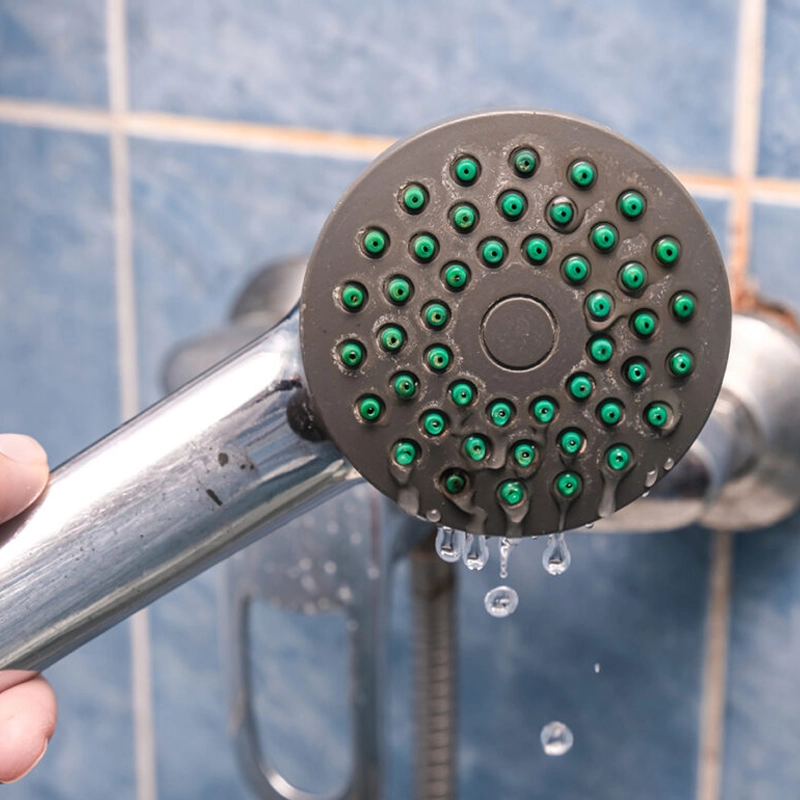
Not every drip means the same thing. A shower head can leak in different ways, and each one points to a different cause.
A few common situations are:
For a manufacturer, this distinction is important because it shows whether the issue is related to the shower head assembly, the plumbing connection, or the control valve. A good shower head replacement should solve the problem at the correct point, not simply cover it up.
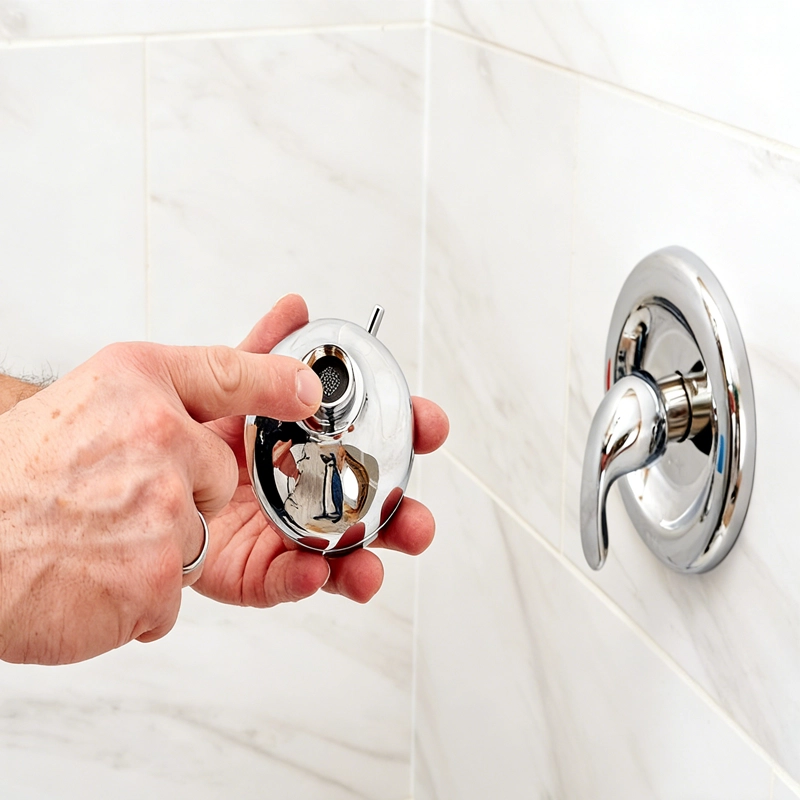
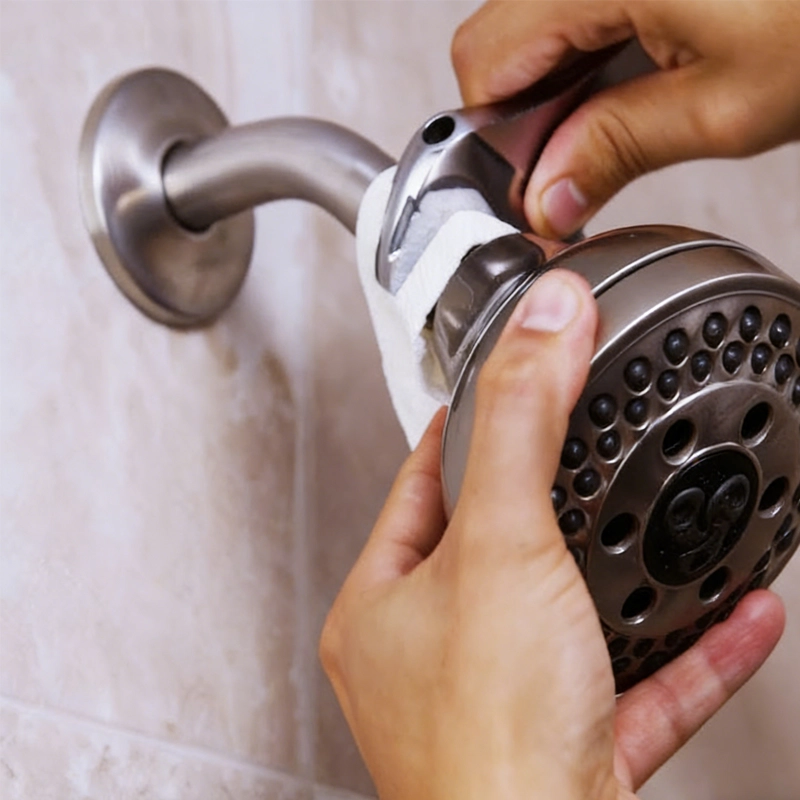
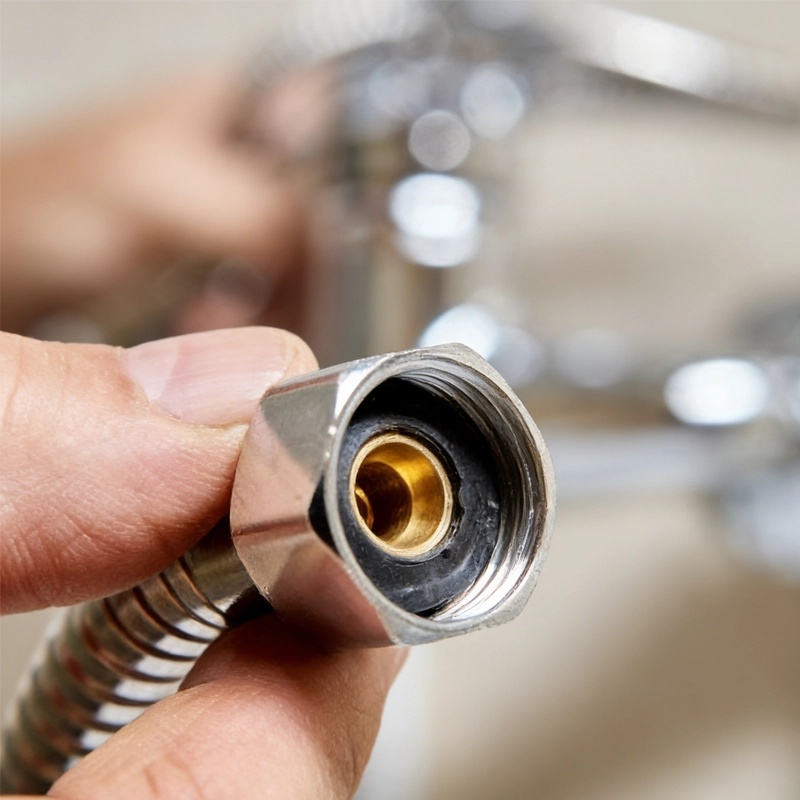
The first place to check is the connection between the shower head and the arm. In many cases, the leak is caused by a loose thread, a worn washer, or an old tape seal that no longer holds pressure.
Remove the shower head carefully and inspect the inlet. Look for:
If the fixture uses a handheld system, inspect the hose connection as well. A rainfall shower head with handheld often has more joints than a standard fixed model, which means more possible leak points. The same is true for an adjustable shower head, where movement and repeated repositioning can gradually wear the seals.
Mineral scale is one of the most overlooked causes of a leaking shower head. Deposits can prevent the washer from seating properly and can also damage the spray face or inlet opening.
A proper cleaning process should remove scale, dirt, and old tape residue. If the washer looks worn, replace it. If the O-ring is hard, cracked, or misshapen, replace that too. These parts are low cost, but they have a major impact on sealing performance.
From a product development perspective, this is where quality control matters. A well-made fixture should use stable sealing components, accurate thread machining, and a consistent inlet structure. That is one reason buyers should evaluate not only the design but also the manufacturer behind it.
Sometimes the shower head is not the true source of the leak. If the water continues to drip even after the fixture is resealed, the real issue may be the valve or diverter.
This is especially common in:
If the shower drips from the face even when the head is removed, the cartridge or valve seat may be allowing water to pass through. In a project or retail environment, that matters because it changes the repair approach. Replacing the head alone will not fix a valve problem.
For B2B buyers, this is also a reminder that the shower system should be designed as a complete assembly. A good supplier should understand how the valve, diverter, hose, bracket, and head work together rather than treating each part as isolated hardware.
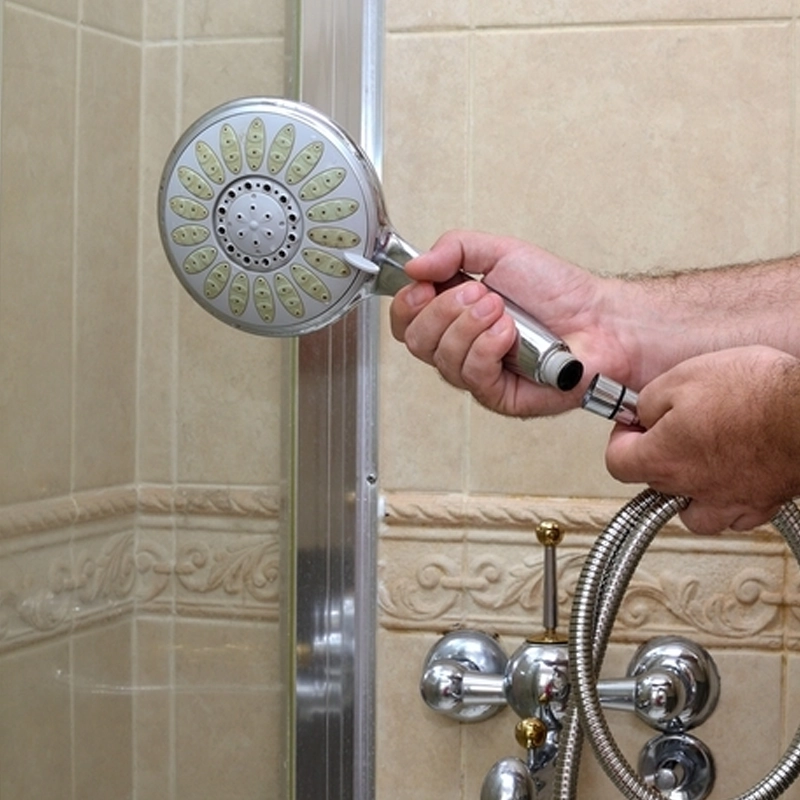
There are times when repair is not enough. If the fixture is old, heavily scaled, corroded, or repeatedly leaking after resealing, a full shower head replacement is usually the better option.
This is especially true for:
For brands and project buyers, replacement is also a chance to upgrade performance. A better-designed adjustable shower head or rainfall shower head with handheld can improve both function and customer satisfaction. In many cases, the right replacement reduces service issues while creating a stronger product experience.
From a factory point of view, a leaking shower head usually reveals a design or production weak point. That may include poor thread tolerance, inconsistent washer dimensions, weak sealing geometry, or finish issues that affect assembly.
At Jekare, we pay close attention to the details that help prevent leaks in real-world use:
This is where a professional manufacturer adds value. A strong product should not only look good in a catalog. It should install cleanly, seal properly, and remain dependable after repeated use. For brands sourcing from multiple suppliers, the difference between average and excellent often comes down to these hidden details.
At Jekare, we focus on delivering shower heads with stable sealing performance, consistent quality, and long-term durability. Many leakage issues come from poor thread accuracy, weak sealing structures, or unstable assembly. To prevent this, our products are engineered with precision machining, reliable O-ring matching, corrosion-resistant finishes, and full leak and pressure testing.
We recommend our Single Spray Hand Held Shower Head for B2B projects. Its simple single-spray structure ensures stable water flow, reduced failure points, and better long-term sealing reliability, making it a practical choice for cost-sensitive and performance-focused markets.
Produced with advanced plastic injection molding, precision metal processing, and chrome surface treatment, it offers durability and a clean, long-lasting finish. Each unit is strictly tested to ensure sealing integrity and consistent performance.
With over 20 years of OEM/ODM experience, Jekare provides full in-house support from mold development to mass production, backed by advanced testing equipment and strict quality control for stable, scalable supply.
This model is a reliable choice for brands seeking durability, easy maintenance, and consistent factory-level quality.
Fixing a leaking shower head starts with identifying the leak type, checking the seals and threads, cleaning out buildup, and confirming whether the valve or diverter is the actual problem. In many cases, a simple reseal or washer replacement solves it. In others, a full shower head replacement is the most practical solution.
For bathroom brands and project buyers, the best long-term fix is to source better-designed products from a manufacturer that understands sealing, assembly, and real installation conditions. At Jekare, we build with those details in mind because a shower fixture should deliver reliable performance from day one. If you are planning a new shower program or improving an existing line, what kind of leak resistance and product durability do you want your customers to experience?
Common causes include worn washers or O-rings, poor thread tolerance, mineral buildup, and inconsistent sealing surfaces. In some cases, the issue may originate from the valve or diverter rather than the shower head itself.
Remove the shower head and check for dripping at the pipe outlet. Continued leakage indicates a valve issue; if it stops, the problem is within the shower head assembly.
Key factors include precise thread machining, proper seal matching, smooth sealing surfaces, corrosion-resistant materials, and consistent assembly with pressure testing.
Replacement is recommended for corroded units, repeated seal failures, or damaged components. For commercial projects, it reduces maintenance costs and improves user satisfaction.
Focus on engineering capability, sealing performance, material quality, and quality control systems, along with OEM/ODM support and reliable production consistency.