
Outdoor faucets might seem like simple plumbing, but let’s be honest—they lead a tough life. Sun, rain, freezing temperatures, lawnmowers, even the occasional wild hose-wielding kid…these faucets endure more abuse than indoor kitchen taps ever will. So, when yours starts leaking, dribbling, or looking like it survived a rust apocalypse, it might be time for a replacement. Don’t worry—we’ll walk you through it with practical tips, a few laughs, and zero judgment if your wrench skills are…rusty.
Before grabbing a new faucet or a big wrench, look for the subtle (and not-so-subtle) signs your outdoor tap is failing.
Indoor faucets mainly worry about aesthetics, handle smoothness, and O-ring lubrication. Outdoor faucets? They fight the elements daily. Freeze, sun, wind, and debris make maintenance far more critical.
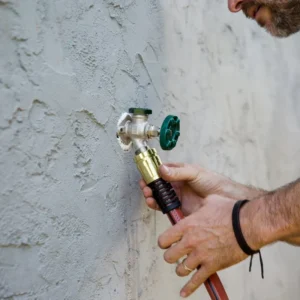
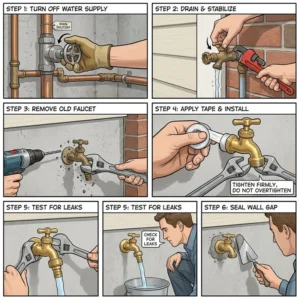
Replacing an outdoor faucet is less about beauty and more about brute force with finesse. Here’s the lowdown:
Outdoor installation often involves concrete, anti-freeze considerations, and durability testing. Indoor faucet swaps? Mostly countertop holes and drain alignment. Very different arenas.
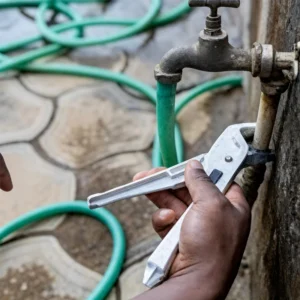
Outdoor faucets are high-risk employees. Here’s what usually takes them down:
Indoor faucets have it easy—mostly dealing with minor mineral buildup and handle friction. Outdoor faucets battle freeze-thaw cycles, sunburn, and accidental collisions.
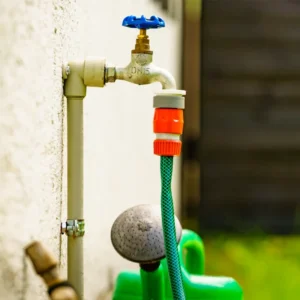
You can extend your faucet’s life with a few regular habits:
Think of indoor faucet maintenance as keeping your car polished—smooth, pretty, and functional. Outdoor faucet maintenance is more like off-roading—durable, resilient, and ready for anything.
| Feature | Outdoor Faucet | Indoor Faucet |
| Environment | Exposed to sun, rain, snow, freezing | Indoor climate is controlled |
| Common Problems | Rust, leaks, freeze damage, debris | Mineral buildup, handle friction, O-ring wear |
| Installation Complexity | Wall or concrete anchoring, freeze prep | Countertop holes, drainage alignment |
| Maintenance Focus | Durability, freeze protection, debris cleanup | Smooth operation, aesthetics, O-ring lubrication |
| Replacement Frequency | Medium to high | Low with proper care |
Understanding the differences ensures you choose materials, tools, and maintenance strategies suited to your faucet’s battlefield.
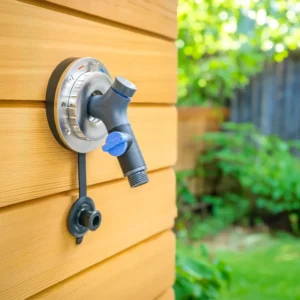
If you’re tired of replacing outdoor faucets every year, it’s time to invest in high-quality components. That’s where Jekare comes in. Our faucets are built for the harshest outdoor conditions, combining durability, corrosion resistance, and ease of installation. They’re the kind of faucet that laughs at frost, shrugs off sun, and keeps water flowing without drama—so you can enjoy your yard without plumbing headaches.we offer a variety of faucets for both outdoor and indoor use, includingShower Faucets, Sink Faucets, and Bathtub Faucets, all designed for durability and reliable performance wherever they’re installed.
Changing an outdoor faucet doesn’t have to be scary. With the right inspection, installation, and maintenance, your faucet can live a long, leak-free life. Treat it right, and it will reward you with years of reliable water flow.
A: Usually due to worn washers or internal valve damage.
A: It is often caused by clogging, corrosion, or pipe restriction.
A: Replace the washer or cartridge inside the faucet.
A: Yes, water inside can freeze and damage internal parts.
A: Typically 5–10 years depending on usage and weather.
A: Replace if corrosion or internal damage is severe.
A: Exposure to rain, moisture, and temperature changes.
A: Brass or stainless steel offers the best durability.