
At Jekare, we know that shower comfort begins with the right height, the right spray pattern, and the right installation details.
As a professional bathroom fixture manufacturer, we understand that shower head placement is not just about aesthetics. It affects water coverage, user comfort, splash control, pressure performance, and the overall bathing experience. So, how high should a shower head be? The answer depends on the shower style, the ceiling height, the users in the home, and the fixtures being installed.
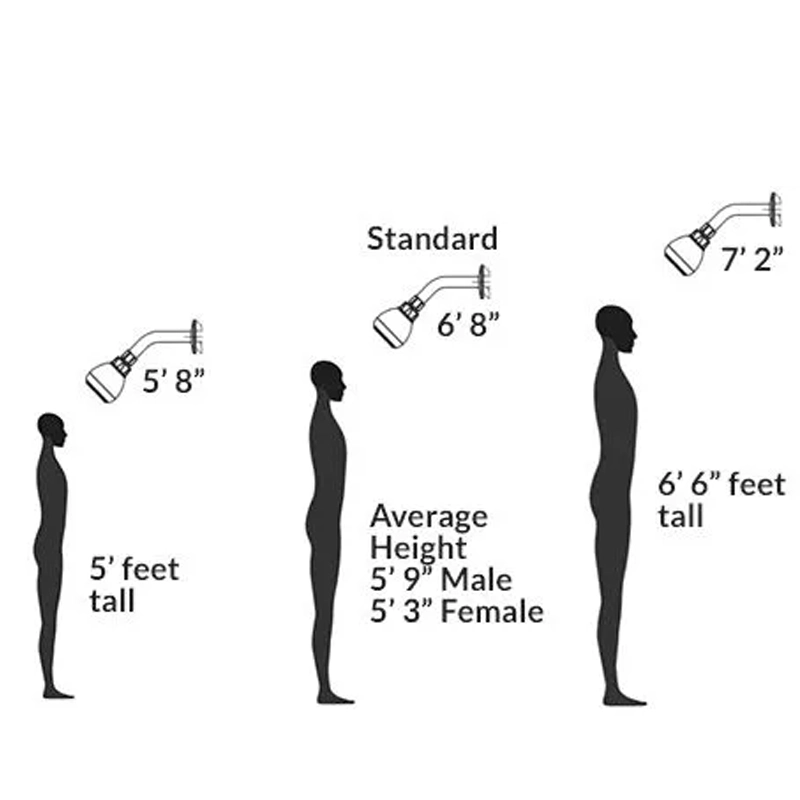
In most residential bathrooms, the standard shower head height is about 78 to 80 inches from the finished floor. This range works well for many adults and gives enough clearance for comfortable standing use. However, there is no universal height that fits every space. A family bathroom, a luxury walk-in shower, a hotel suite, and a compact remodeling project may all require different placement.
From a manufacturing and installation point of view, the ideal height should balance three things: comfort, water coverage, and practical plumbing alignment. If the shower head is too low, taller users may feel cramped. If it is too high, water may lose force before it reaches the body, especially with lower-pressure systems. That is why professionals often adjust height based on the shower type and the intended user experience.
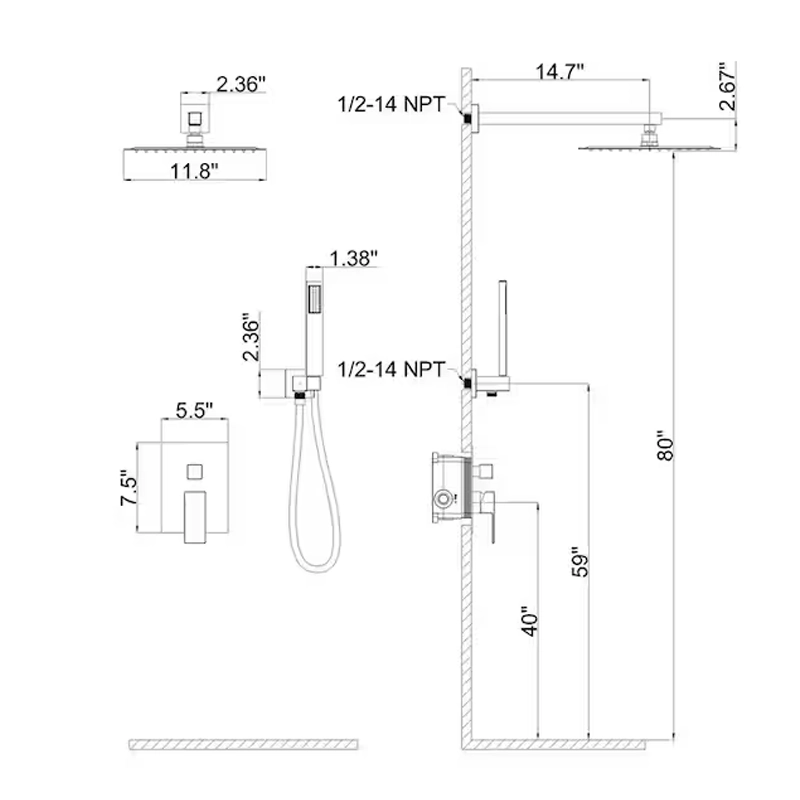
A good shower head installation starts with planning the shower wall layout, valve position, and user height. The most common reference points are:
For factory-built bathroom projects, consistency matters. A well-designed shower system should allow installers to position the shower head correctly without compromising water flow or visual balance. That is why Jekare pays close attention to connection angles, outlet compatibility, and finished product proportions during design and production.
Different shower head types create different spray experiences, so their ideal height is not the same.
A rain shower head is usually installed higher than a standard shower head, often 82 to 96 inches from the floor, depending on ceiling height and user preference. This allows the water to fall naturally from above and creates a soft, full-coverage shower experience.
A square rainfall shower head is especially popular in modern bathrooms because it delivers a clean architectural look. It works best in showers with enough vertical space to let the spray spread evenly. In many premium projects, the shower arm is extended downward from a higher connection point to center the spray over the bather.
Overhead showers are designed to place the water stream directly above the user. These systems are typically installed higher than conventional fixed heads, especially in spacious bathrooms. They are a strong choice when the goal is a spa-like feel with even body coverage.
From a product design standpoint, overhead showers should be paired with a stable valve system and proper flow calibration. That is especially important for a 3.5 gpm shower head, where water delivery must feel strong and consistent while still meeting the intended performance standard.
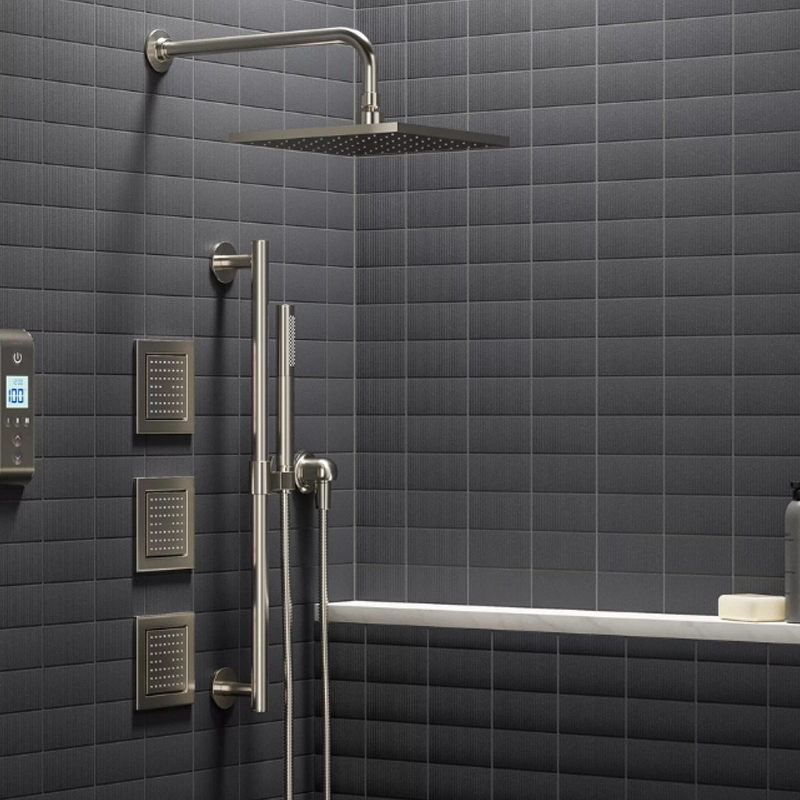
Handheld shower heads offer the most flexibility. Because they are mounted on a slide bar or bracket, they can be adjusted to different heights for adults, children, seated users, and cleaning tasks. In most cases, the fixed bracket can be installed around 72 to 78 inches, while the wand can move above or below that range.
This makes handheld systems one of the most practical choices for family bathrooms and aging-in-place designs. They are also ideal when combined with a fixed head for a more complete shower setup.
Double shower heads for couples have become a favorite option in larger master bathrooms. This setup may include two fixed heads, a fixed head plus handheld, or even dual overhead outlets. The key to success is spacing and symmetry. Each user should have enough spray coverage without interfering with the other person’s shower zone.
For dual systems, height planning is especially important. Both heads should be positioned to support balanced spray angles and avoid overspray onto the side walls. In a well-designed installation, dual fixtures create a more comfortable, premium bathing experience for shared showers.
LED and thermostatic showers bring additional comfort and control. LED models add visual appeal, while thermostatic valves help maintain a stable water temperature. These systems work best when the shower head height supports a consistent spray pattern and the mixer is installed at a practical reach point.
For thermostatic systems, the valve position and the shower outlet height must be coordinated carefully during rough-in. This is where manufacturing precision matters. A reliable fixture system should not only look attractive, but also support easy installation and dependable long-term use.
The shower head height cannot be separated from the mixer and valve layout. The valve controls temperature and flow, so its position affects both ergonomics and installation logic. In most bathrooms, the mixer valve is installed around 42 to 48 inches from the floor, though this can vary based on the shower design.
When the valve, arm, and outlet are aligned properly, the final shower experience feels more natural and more efficient. Poor valve placement can lead to awkward reach, uneven spray direction, or a cramped wall layout. That is why Jekare treats the complete shower system as one coordinated product family, not just separate parts.
A comfortable shower depends on how all the parts work together. The shower head height should match the tub spout, mixer, handheld bracket, and any overhead component. Finish color and shape also matter. For example, a black rainfall shower head can create a bold modern statement, while brushed or chrome finishes may fit a more classic bathroom style.
When coordinating fixtures, think about three points:
Proportion: The fixture should fit the room size and ceiling height.
That helps brands and project buyers create shower solutions that look cohesive and perform reliably in real-world use.
A strong shower installation starts with accurate measuring. Before mounting the shower head, confirm the finished floor height, tile thickness, wall build-up, and user height requirements. Always measure from the finished floor, not the subfloor.
Here are a few practical tips:
At Jekare, we believe the best shower head is the one that matches the space, the user, and the project goals. Whether you are developing a compact family bathroom, a luxury master suite, or a commercial shower program, the right height and fixture combination can transform the daily shower into a better experience.
From square rainfall shower head designs to black rainfall shower head finishes and double shower heads for couples, every detail should support comfort, durability, and installation efficiency. That is the standard we build into every product we manufacture.
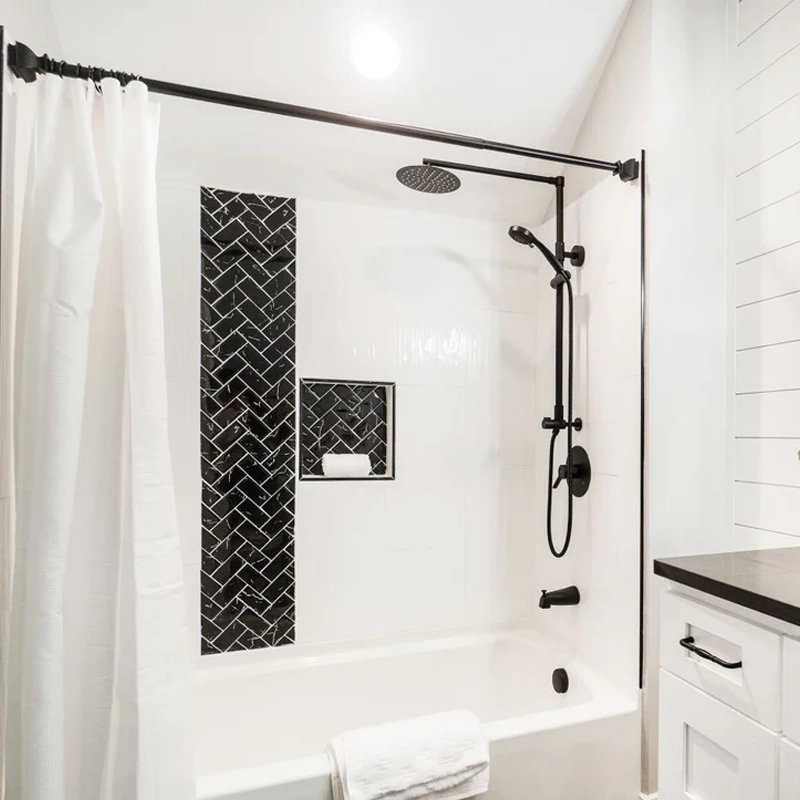
So, how high should a shower head be? In most cases, 78 to 80 inches is a reliable starting point, but the ideal height should always be adjusted based on shower type, ceiling height, and user needs. A well-planned shower system is more than a fixture on the wall. It is a complete comfort solution shaped by design, engineering, and manufacturing precision.
Jekare is a professional bathroom fixture manufacturer committed to dependable production, stable quality, and practical product engineering. We deliver shower heads with consistent dimensions, reliable sealing performance, and durable finishes designed for long-term daily use. With strong OEM and ODM capabilities, we support brands in developing customized solutions across different styles, spray functions, finishes, and installation requirements—from standard fixed models to handheld systems and premium rainfall designs. Our products are engineered for real-world performance, with careful attention to water coverage, spray balance, and installation compatibility to ensure long-term durability and user satisfaction. By focusing on precise connection details, structural consistency, and ease of installation, Jekare minimizes potential issues in the field while offering a wide range of shower head options to meet diverse market needs and bathroom applications.
If you are planning a new shower project, our Jekare team would love to help you choose the right height, style, and finish. What kind of bathroom are you designing, and which shower experience do you want to create?
Typically 78–80 inches from the finished floor. This range fits most users, but can be adjusted based on project requirements and market standards.
Yes. Rainfall and overhead shower heads are usually installed higher (82–96 inches), while handheld systems offer adjustable positioning for flexibility.
Yes. If installed too high, water pressure may feel weaker, especially in low-pressure systems. Proper product design helps maintain performance.
Spacing and symmetry are key. Each shower head should provide balanced coverage without interference, requiring coordinated system design.
Very important. Valves are typically installed at 42–48 inches and must align with the shower head height for comfortable use and proper flow control.
Yes. As a manufacturer, Jekare supports OEM/ODM customization, including arm length, outlet angles, and system configuration to match project needs.