
When specifying bathroom taps, performance is not just about appearance—it’s about internal engineering, material integrity, and long-term reliability. Whether you’re sourcing bathroom sink faucets, a bathtub faucet, or premium wall mounted bath taps, understanding how these systems function will help you make better OEM decisions and reduce after-sales issues.
Working closely with global brands, Jekare approaches faucet manufacturing from a systems-engineering perspective—where every component, from cartridge to aerator, is optimized for durability, flow control, and user experience. If you’re developing a product line, what matters most to you: longevity, cost efficiency, or premium performance?
A modern bathroom faucet is a precisely engineered assembly. Key components include:
The spout directs water flow and influences stream shape. Internally, optimized flow channels reduce turbulence and maintain consistent output across pressure ranges.
The cartridge is the functional core. Most high-quality bathroom taps use ceramic disc cartridges due to:
For OEM projects, cartridge selection directly affects warranty performance.
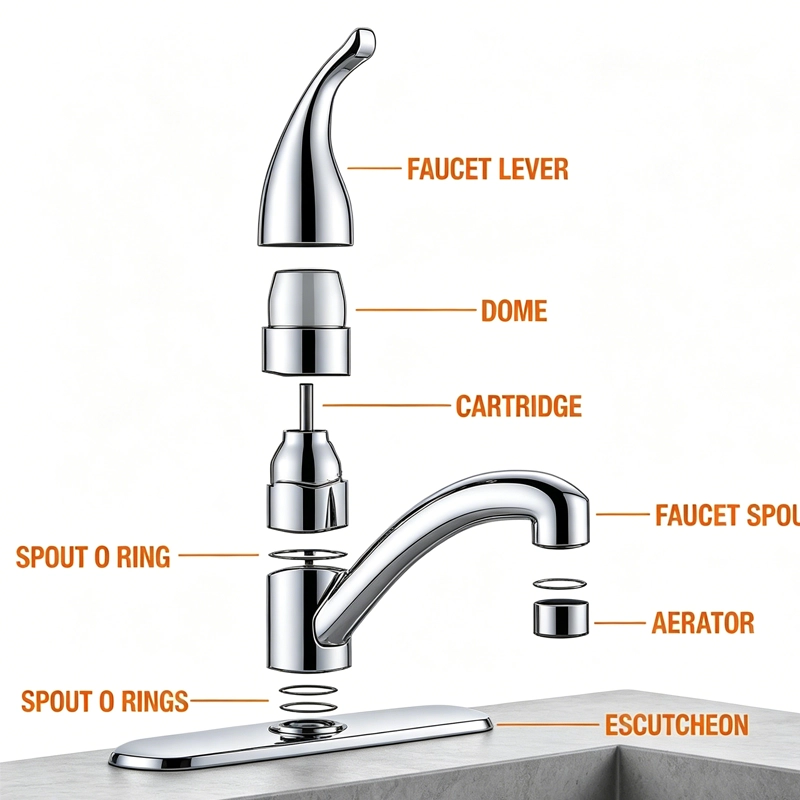
Single-handle faucets regulate both flow and temperature, while dual-handle systems separate hot and cold control. The internal geometry determines mixing accuracy and user feel.
Aerators mix air with water to:
This is critical for water-saving regulations in global markets.
Water enters through supply hoses, flows into the valve body, and is regulated by the cartridge before exiting through the spout.
Inside the faucet, hot and cold water channels converge at the cartridge. The user’s handle movement adjusts:
Advanced systems may include thermostatic control for stable output.
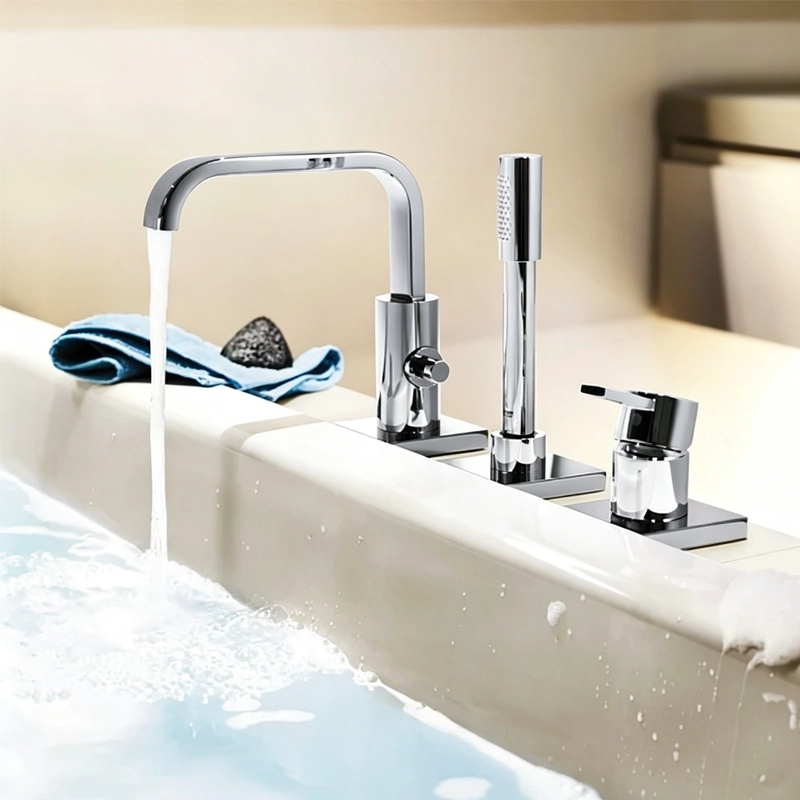
Pressure plays a key role in faucet behavior:
Professional manufacturers design bathroom sink faucets to operate within a wide pressure range, ensuring stable performance across different markets.
From a manufacturer perspective, production quality determines long-term product success.
At Jekare, advanced testing equipment ensures every bathroom faucet meets strict quality and performance standards before shipment.
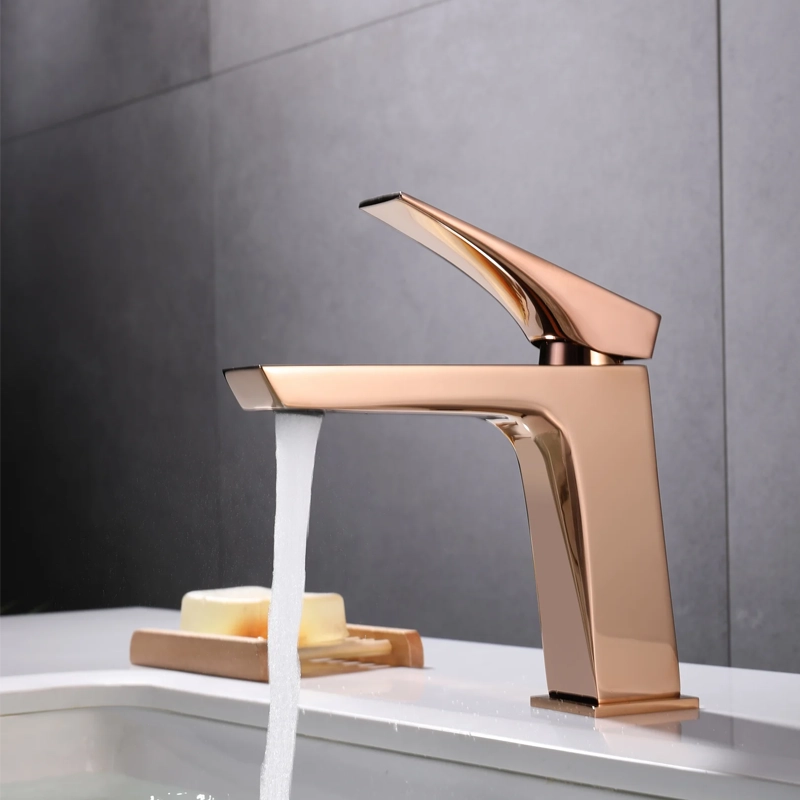
For B2B buyers, providing spare parts and service documentation improves customer satisfaction and reduces returns.
For brands and distributors, choosing the right OEM partner is as important as the product itself.
Jekare provides full custom Bathroom Faucet solutions with:
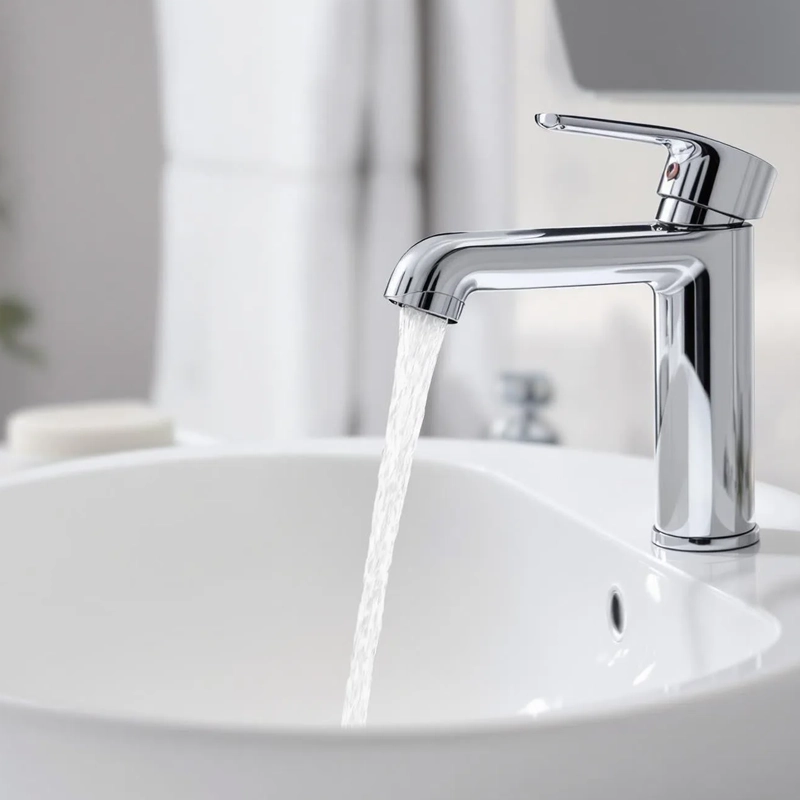
We recommend developing a Brass Bathroom Shower Faucets Mixer Tap for premium product lines.
Key advantages:
From a B2B perspective, this product offers strong market positioning, reduced maintenance issues, and long lifecycle value.
Understanding how a bathroom faucet works—from internal flow control to material selection—helps brands make smarter sourcing decisions and deliver better products to market. Performance, durability, and user experience all depend on precise engineering and reliable manufacturing.
Jekare combines technical expertise, advanced production equipment, and full OEM/ODM support to help customers develop high-quality bathroom taps and complete faucet systems.
If you’re planning a new product line or upgrading an existing one, what features matter most for your market—design, durability, or water efficiency? Let’s talk and build a solution tailored to your needs.
Brass and stainless steel are the most reliable materials due to their corrosion resistance and durability. Brass is especially common in premium bathroom faucet manufacturing.
High-quality ceramic cartridges can last 3–10 years depending on water quality and usage frequency.
Yes, wall mounted bath taps require precise plumbing alignment and are typically recommended for professional installation.
Through strict material control, DFM validation, automated production, and comprehensive testing such as pressure and lifecycle tests.
Absolutely. OEM manufacturers like Jekare offer customization in size, finish, flow rate, and functionality to match regional standards and customer preferences.