
Specifying the right bathtub faucet isn’t just about style—it’s about hydraulic performance, user experience, and long-term reliability. One question that comes up frequently in product development and sourcing discussions is whether bathtub faucets use aerators, and if not, whether they should.
Working with global brands and project buyers, Jekare engineers complete faucet systems—from free standing tub faucet designs to integrated tub and shower faucets—with a focus on flow performance and manufacturability. Let’s break this topic down from a professional manufacturing perspective so you can make informed decisions.
An aerator is a compact outlet component that mixes air with water to create a controlled, splash-resistant stream. It typically includes:
Aerators are standard in lavatory and kitchen faucets because they reduce water consumption while maintaining perceived pressure. However, their function doesn’t always align with bathtub applications.
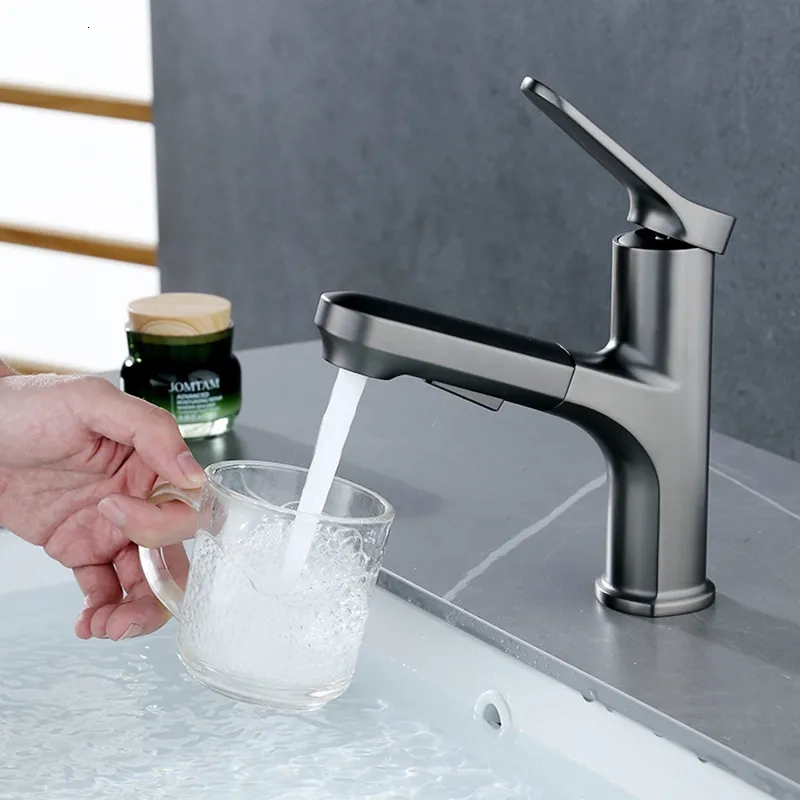
Bathtubs are designed to fill quickly. A standard tub spout delivers significantly higher flow rates than a sink faucet. Adding an aerator would restrict flow and extend fill time—something end users generally reject.
Unlike sink faucets, bathtub outlets discharge directly into a large basin. Splash control is less critical, so aeration is not necessary.
Many wall mount bathtub faucet systems and spouts are not designed with standard threaded outlets. This makes traditional aerator installation impractical.
Modern tub and shower faucets often include diverters and internal flow channels. These components are engineered for specific hydraulic performance and do not accommodate external aerators.
Premium designs—such as waterfall spouts or free standing tub faucet systems—prioritize clean lines and architectural appeal. Adding an aerator would compromise the visual design.
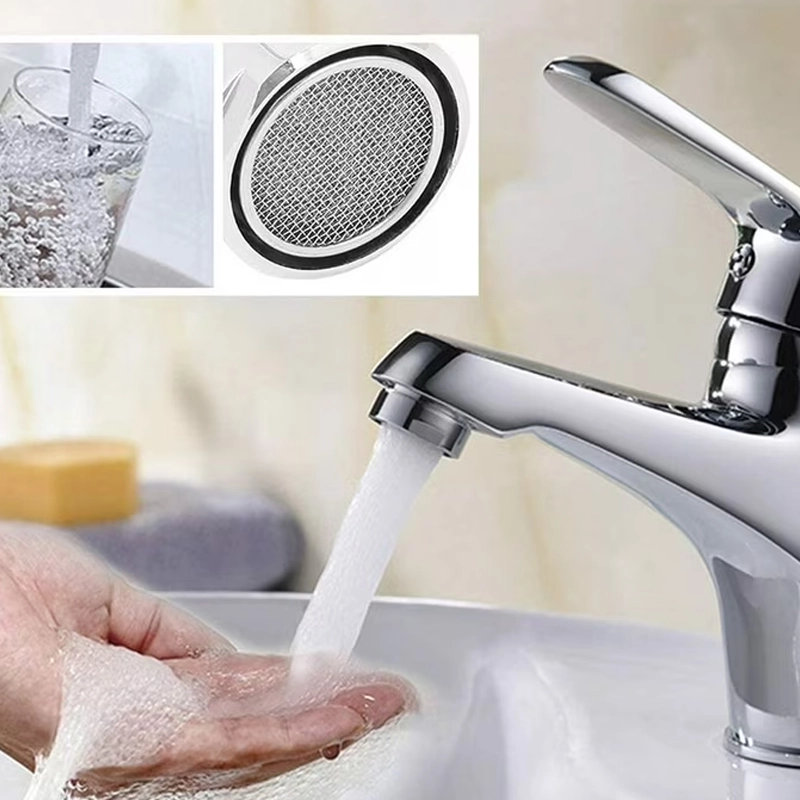
While tub spouts rarely use aerators, aeration is still valuable in other parts of the system:
In these cases, aeration improves comfort and efficiency without affecting tub fill performance.
From a manufacturing standpoint, there are more effective ways to manage water flow:
Calibrated orifice plates can be integrated into the spout or diverter to control GPM without visible components.
These improve temperature stability and user safety, especially in high-end installations.
Well-designed diverters ensure efficient water distribution between the spout and shower outlet.
A bathtub faucet with sprayer can incorporate aeration or pressure-boosting features for targeted use.
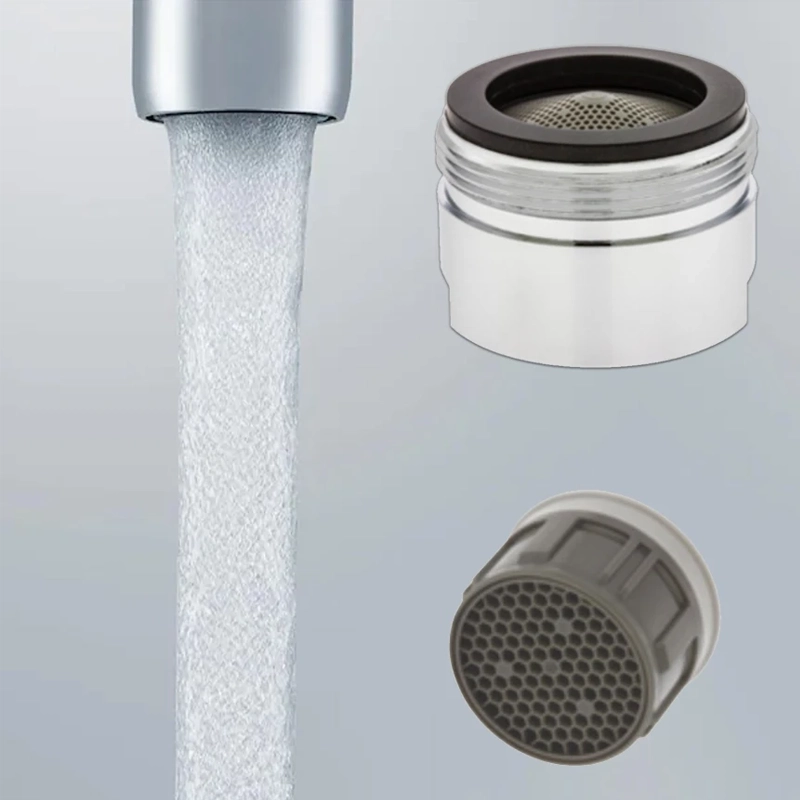
In most cases, retrofitting an aerator onto a tub spout is not recommended. However, there are alternatives:
For OEM projects, it’s always better to integrate flow control at the design stage rather than modify the product after installation.
For brands and distributors, the key is not whether to add an aerator—but how to engineer the right flow system.
At Jekare, our development process includes:
Whether you’re developing a free standing tub faucet or a complete tub and shower faucets system, flow performance must be engineered—not improvised.
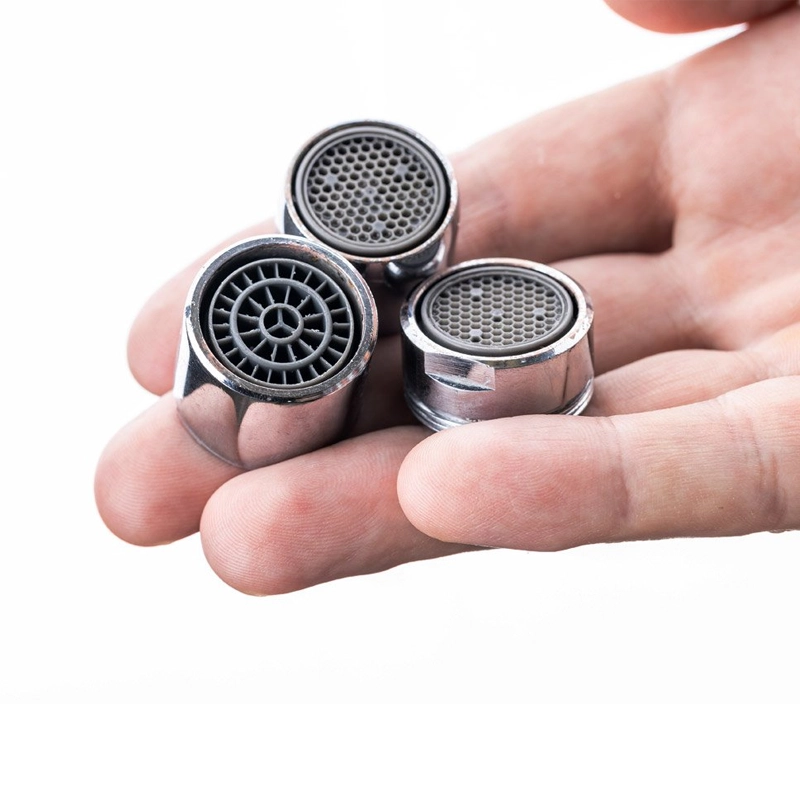
Choosing the right manufacturing partner determines product success in the market. Jekare provides:
For premium product lines, we recommend our Waterfall Bathtub Faucet With Shower Diverter.
Key Advantages:
This solution is ideal for high-end residential, hospitality, and private-label programs.
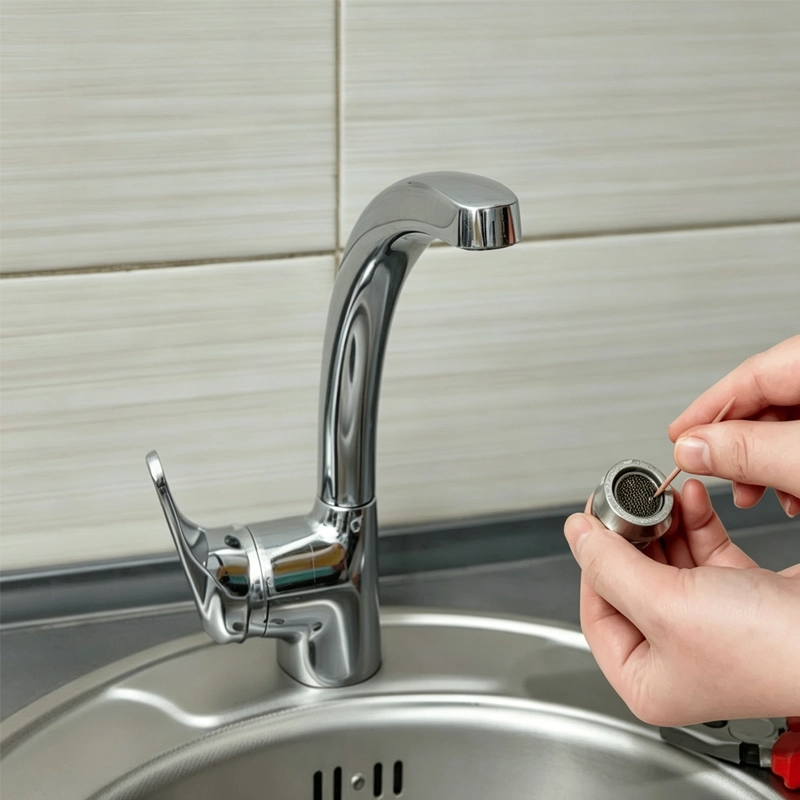
Bathtub faucets typically do not use aerators—and for good reason. Their primary function is high-flow delivery, not flow restriction. For brands and buyers, the smarter approach is to focus on engineered flow control solutions such as internal regulators and optimized diverters.
If you’re developing a new faucet line or evaluating OEM options, understanding these technical details will help you avoid costly design mistakes and improve product performance.
Jekare supports global clients with custom development, precision manufacturing, and scalable production.
So what matters most for your next project—flow performance, design aesthetics, or cost efficiency? Let’s connect and build the right solution together.
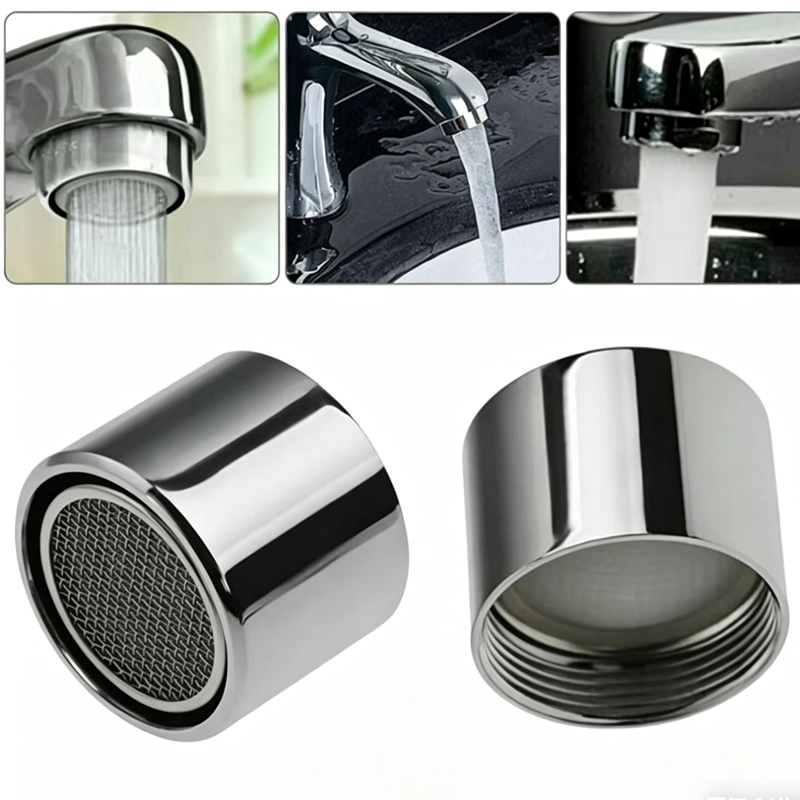
Most bathtub faucets do not include aerators because they are designed for high flow rates and fast filling.
Generally no. Most tub spouts are not compatible with standard aerators due to design and threading limitations.
Internal flow regulators, diverters, and pressure-balanced valves are more effective than external aerators.
Yes. They allow targeted water use and can include aeration or flow control features for improved efficiency.
Through precision engineering, flow testing, material selection, and strict quality control during production.