
At Jekare, we manufacture bathroom products for brands, distributors, and project buyers who need more than a product that simply looks acceptable. They need accurate sizing, stable quality, and reliable installation performance. When people ask whether toilet seats are universal, the real answer is no. While many seats follow common dimensions, toilet bowls vary enough that a custom toilet seat is often the safest and most commercially effective choice for B2B projects. For toilet seat manufacturers, this is not just a fitting issue. It is a product compatibility issue, a quality-control issue, and a market-positioning issue.
There are common toilet seat sizes in the market, but they are not truly universal. In manufacturing and sourcing, a seat must match the bowl shape, the bolt-hole spacing, and the overall length and width. A seat that looks standard may still fail to align properly if one of these dimensions is off.
This is especially important for buyers sourcing toilet lids, toilet cover top components, or a complete seat-and-lid assembly for export markets. Even small dimensional differences can create installation problems, reduce user satisfaction, and increase return rates.
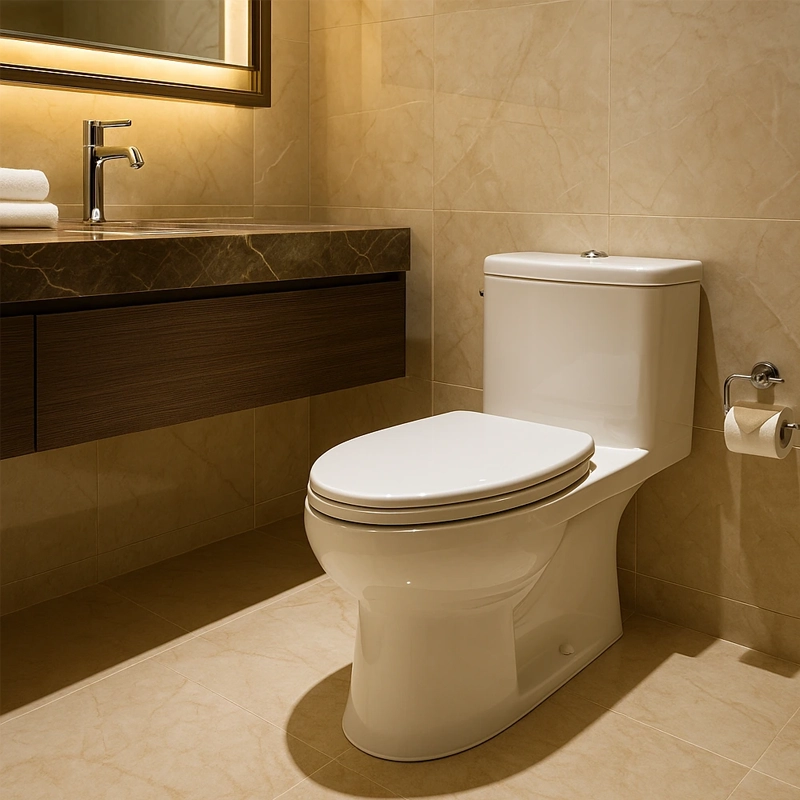
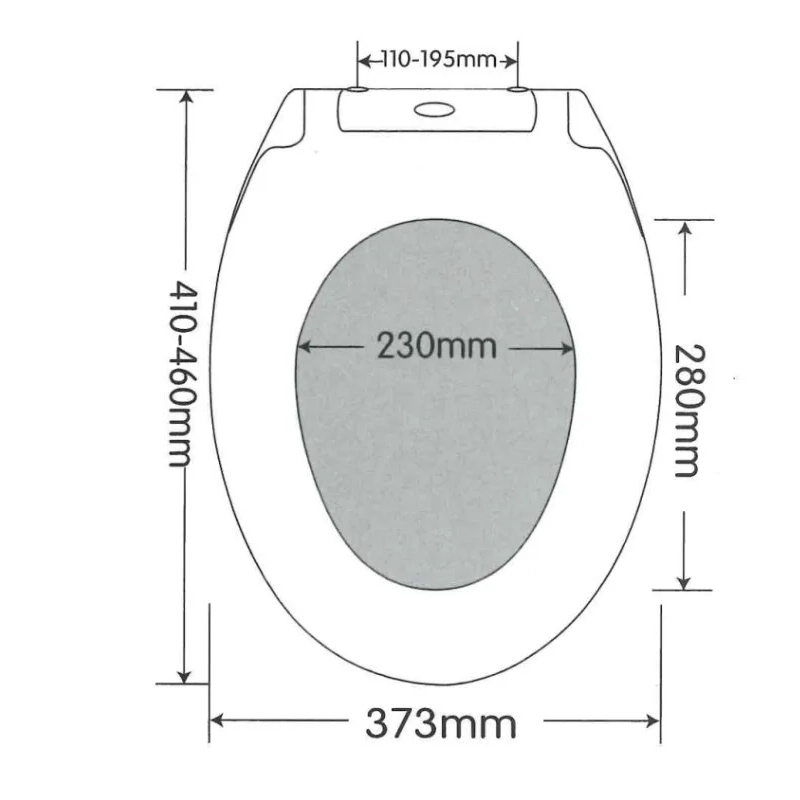
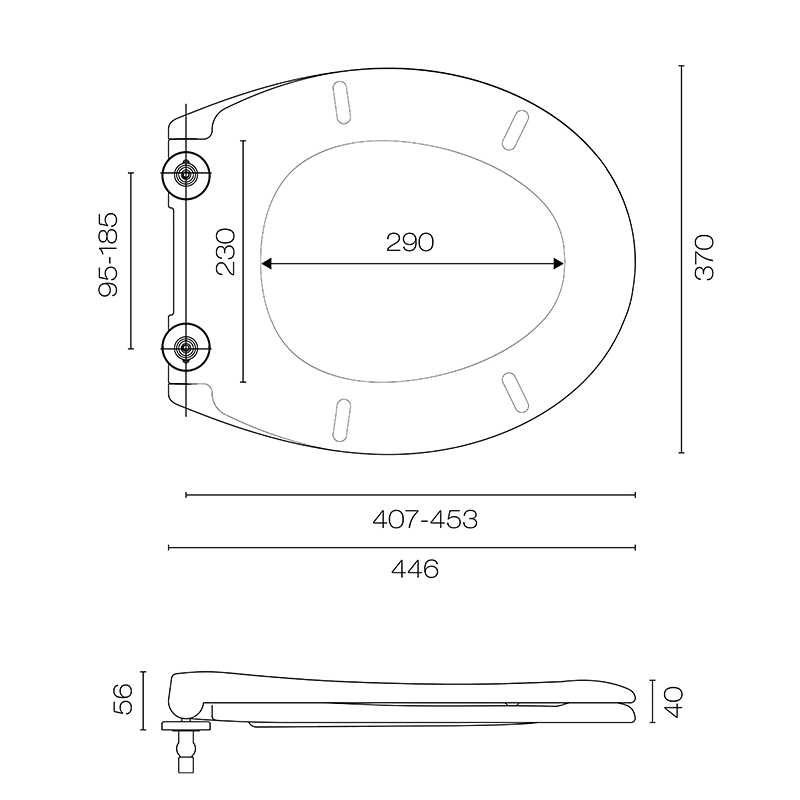
The three dimensions that matter most are seat post hole position, length, and width. These are the core measurements that determine whether a toilet seat will fit securely and function as intended.
The seat post holes, also called bolt-hole spacing, determine where the seat mounts to the bowl. If the holes do not match the toilet base, the seat hardware will not line up correctly. In B2B production, this is one of the first things a professional factory must verify before tooling or mass production.
Length is measured from the center of the mounting holes to the front edge of the bowl. This is what separates a round seat from an elongated seat. A mismatch in length can make the seat look awkward, leave visible gaps, or cause overhang at the front.
A 15 inch toilet seat is a common reference point in many elongated applications, but it is not suitable for every toilet. Buyers should always confirm the exact bowl profile before ordering.
Width affects comfort, visual balance, and side coverage. It also influences mold design and hinge placement during manufacturing. For a toilet cover top or seat set to feel premium, width must match the bowl contour closely enough to sit evenly and avoid shifting.
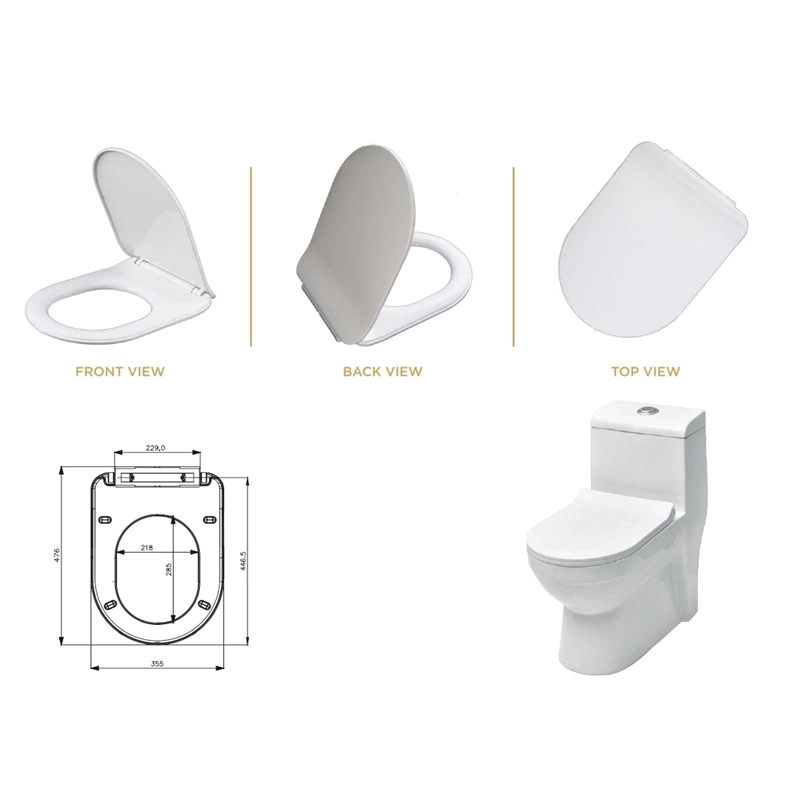
Not every toilet follows the common round or elongated format. Some products require special shapes, different hinge positions, or customized proportions. This is where non-standard and raised toilet seat applications become especially relevant.
A raised model may be used for accessibility, healthcare, or elder-friendly bathroom programs. These products often require special structural planning, because the height, hinge stability, and lid geometry must all work together. In these cases, sourcing from experienced toilet seat manufacturers is much safer than relying on generic off-the-shelf products.
Measuring a toilet seat correctly is the foundation of a successful fit. First, identify the bowl shape. Then measure from the mounting holes to the front edge for length, side-to-side for width, and center-to-center for bolt-hole spacing. These three measurements should always be checked together.
For OEM buyers, this is especially important because a custom toilet seat must be designed around the exact bowl profile and target market. A seat that is slightly too short, too wide, or incorrectly spaced may still appear close in a sample, but it can fail in real installations.
When buyers work with Jekare, we help confirm these dimensions during the development stage so the final product is manufacturable, installable, and ready for real-world use.
At Jekare, we do more than produce standard bathroom hardware. We support custom development for brands that need accurate sizing, reliable performance, and market-specific product design. As a professional factory, we understand that toilet seat size affects installation success, customer satisfaction, and long-term product reputation.
Our custom development support can cover round, elongated, D-shaped, and specialty seat formats. Whether your project requires a standard seat, a raised toilet seat, a premium toilet lids combination, or a full seat system with a matching toilet cover top, we can engineer it to match your target market.
We also work with buyers who need a custom fit for regional standards, hotel projects, retail programs, or private-label launches. That is where experienced toilet seat manufacturers bring real value: not only by making the product, but by making sure the product is actually right for the toilet it will be installed on.
Toilet seats are not universal. While many follow common dimensions, there are enough differences in shape, length, width, and bolt-hole spacing that careful measurement is essential. A properly matched seat improves installation, reduces complaints, and supports a better user experience. For B2B buyers, the best approach is often a well-designed custom toilet seat rather than a generic one-size-fits-all solution.
At Jekare, we believe toilet seat development should combine precision, practicality, and manufacturing consistency. If you are planning a new bathroom product line or need a custom fit for your market, what kind of seat size and function are you aiming to deliver to your customers?
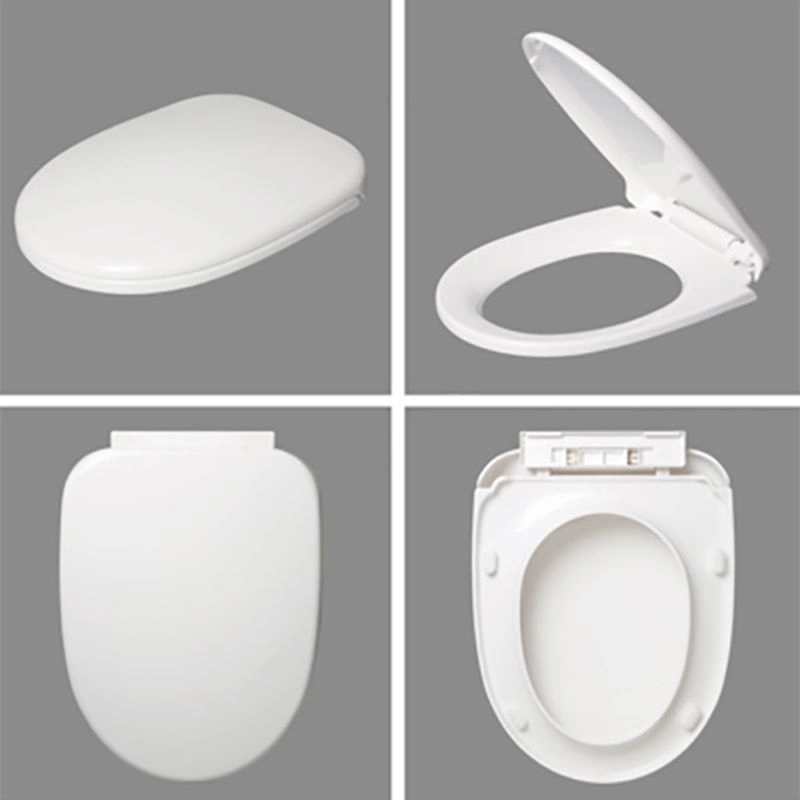
No. Many toilet seats share common sizing, but they are not truly universal. Bowl shape, length, width, and bolt-hole spacing must all match for a proper fit.
There is no single universal standard, but round and elongated seats are the most common. A 15 inch toilet seat is often used as a reference for elongated models.
Not always. A raised toilet seat must still match the bowl shape and mounting system. It is important to verify compatibility before production or installation.
The seat is the part you sit on, while the lid closes over it. A complete assembly may include both the seat and the toilet cover top.
A custom toilet seat helps solve fit issues, supports market-specific requirements, and reduces installation problems. It is often the better option for OEM and project-based sourcing.